
Cabo Weather by Month: Complete Los Cabos Climate Guide
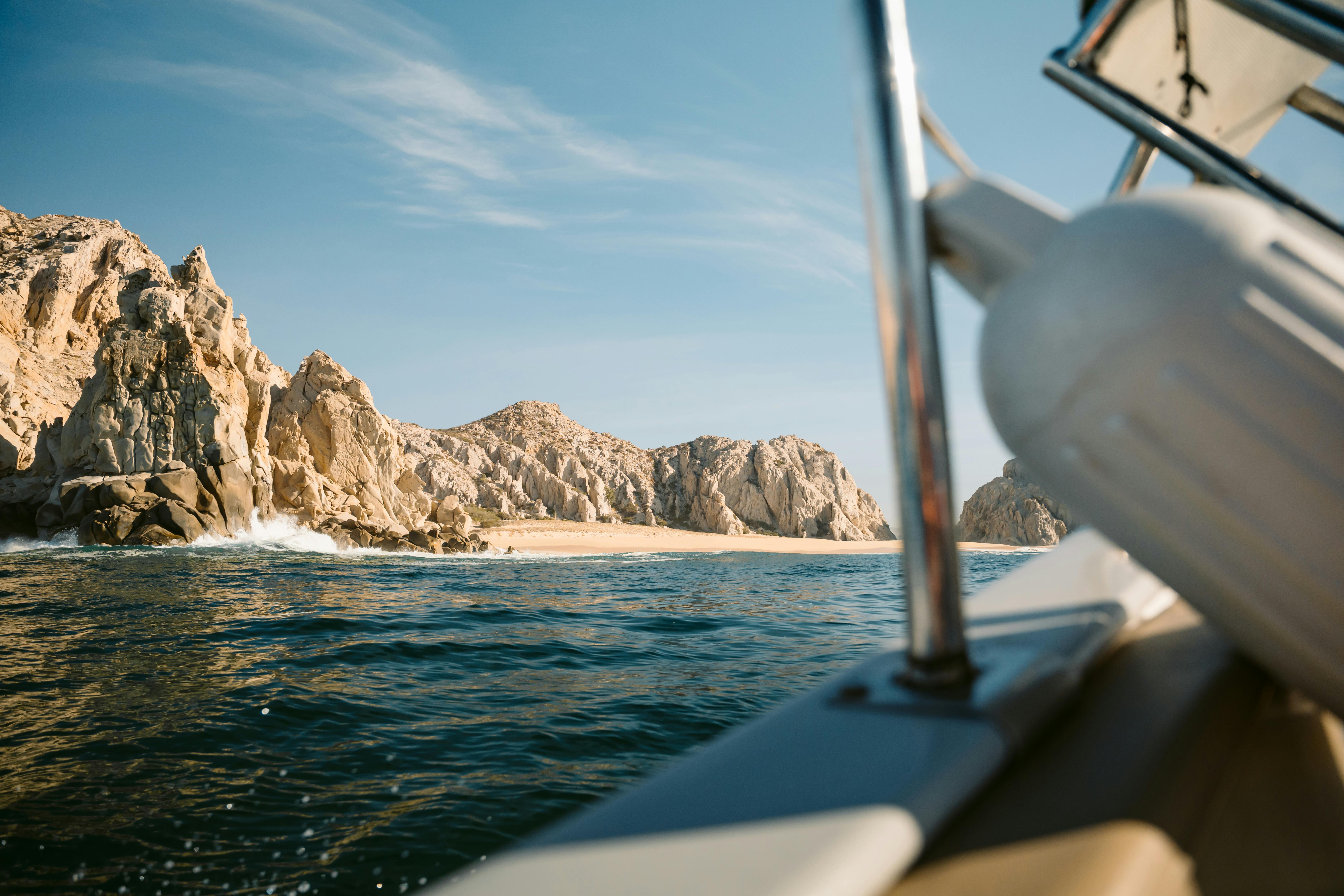
With over 20 years of experience Mita Residential manages & rents luxury estates, villas, and condos in the top beach destinations in Mexico: Punta Mita and Los Cabos, Mexico.
Los Cabos enjoys over 300 sunny days annually, making it one of Mexico's most reliable destinations for sunshine. Understanding weather patterns by month helps travelers plan the ideal trip, whether prioritizing whale watching, avoiding crowds, or finding the best swimming conditions.
While Cabo rarely disappoints weather-wise, each season offers distinct advantages. This guide breaks down Los Cabos' weather month by month, helping you choose the perfect time of year for your visit.
Los Cabos Climate Overview
Los Cabos sits at the southern tip of the Baja California Sur peninsula, where the Pacific Ocean meets the Sea of Cortez. This unique geography creates a desert climate with minimal rainfall concentrated in late summer months.
Temperatures remain warm year-round, with seasonal variations relatively modest compared to other destinations. The dry climate and abundant sunshine define the Los Cabos experience, creating ideal conditions for outdoor activities in nearly every month of the year.
Humidity stays comfortable most of the year, with summer months bringing slightly more moisture. Hurricane season technically runs June through November, but direct hits on the peninsula remain rare.
Monthly Weather Breakdown
Each month in Los Cabos offers distinct weather conditions and experiences. Here's what to expect throughout the year.
January
January brings peak-season weather, with ideal conditions for outdoor activities. The average high temperature reaches around 77°F (25°C), with lows dropping to a pleasant 57°F (14°C). Rainfall is virtually nonexistent.
This month falls in the heart of whale watching season, with humpback and gray whales abundant in local waters. Water temperature hovers around 72°F (22°C), refreshing but certainly swimmable. Mornings and evenings feel pleasantly cool, perfect for outdoor dining. January is high season, so expect more crowds.
February
February continues January's excellent weather pattern. Average temperatures reach highs around 78°F (26°C) with lows near 57°F (14°C). The driest conditions persist with minimal chance of rain.
Prime whale watching continues with frequent sightings. Valentine's Day and Presidents' Day weekend bring additional visitors to this already popular month. Conditions are excellent for golf, fishing, and all outdoor activities. Sea temperature remains cool but comfortable for water activities.
March
March marks a transition as temperatures begin warming. Expect average highs around 80°F (27°C) and lows near 59°F (15°C). Dry conditions continue.
Spring break brings significant crowds, particularly mid-month. Whale watching season continues through mid-March before whales migrate north. Beach conditions improve as both air and water temperatures rise. March offers excellent weather before summer heat arrives.
April
April brings warmer weather while maintaining dry conditions. Average temperatures reach highs around 84°F (29°C) with lows near 62°F (17°C).
Crowds thin after spring break, creating a sweet spot of good weather and fewer visitors. Whale watching season ends, but fishing improves as waters warm. Water temperature becomes more comfortable at around 74°F (23°C). April is excellent for those seeking warm weather without peak-season crowds.
May
May feels warm and dry with summer approaching. Average high temperature climbs to around 88°F (31°C) with lows near 66°F (19°C).
May offers excellent value as shoulder season continues. Water temperature reaches comfortable levels around 76°F (24°C), ideal for swimming, snorkeling, and water activities. Humidity remains lower than summer months. Destination weddings are popular due to reliable weather and manageable crowds.
June
June marks the beginning of summer heat and the technical start of hurricane season. Average temperatures reach highs around 91°F (33°C) with lows near 71°F (22°C).
Despite hurricane season starting, rainfall remains minimal in June. Humidity increases slightly but stays manageable. Warm water temperature around 78°F (26°C) makes ocean activities inviting. June offers summer vacation timing with fewer crowds than winter months. Plan outdoor activities for morning or late afternoon to avoid peak heat.
July
July brings hot conditions with increasing humidity. Average high temperatures reach around 93°F (34°C) with lows near 75°F (24°C). This ranks among the hottest months.
Rainfall begins increasing, typically arriving as brief afternoon or evening showers. Ocean temperatures reach their warmest around 82°F (28°C), perfect for extended water activities. Pool and beach time is best enjoyed morning or late afternoon. Family travelers arrive during school vacation. Monitor weather forecasts, though hurricane risk remains relatively low.
August
August typically ranks as the wettest month, falling within peak hurricane season. Average temperatures reach highs around 93°F (34°C) with lows near 76°F (24°C).
August sees the most average rainfall, though amounts remain modest compared to tropical destinations (around 3-4 inches total). Storms typically arrive as brief, intense afternoon showers that pass quickly. Hot temperatures continue with higher humidity, creating occasionally muggy conditions. August offers the lowest rates and fewest crowds for travelers comfortable with weather variability.
September
September continues hurricane season with warm, humid weather conditions. Average temperatures reach highs around 91°F (33°C) with lows near 76°F (24°C).
September maintains elevated rainfall chances and represents the statistical peak in hurricane risk, though direct hits remain rare. The fewest tourists visit during this month, creating uncrowded conditions. Ocean temperatures stay warm. Having flexible plans and monitoring weather forecasts is advisable during September.
October
October transitions as hurricane season wanes. Average high temperatures settle around 89°F (32°C) with lows near 73°F (23°C).
Rainfall decreases through the month as dry season approaches. October offers improving weather with shoulder-season value. Whale shark season begins near La Paz for those interested in marine encounters. Humidity begins dropping, making conditions more comfortable. Excellent value awaits travelers comfortable with slight weather uncertainty early in the month.
November
Early November marks the return to ideal conditions. Average temperatures reach highs around 84°F (29°C) with lows near 65°F (18°C).
Rainfall drops significantly, and hurricane season officially ends. Gray whales begin arriving, marking the start of whale watching season. Comfortable temperatures, lower humidity, and pleasant evenings return. Thanksgiving brings American visitors, beginning the transition to high season. November offers excellent weather with fewer crowds than December through March.
December
December brings peak season with excellent weather. Average high temperature settles around 79°F (26°C) with lows near 58°F (14°C). December qualifies as the coldest month, though "cold" is relative in Los Cabos.
Minimal rainfall and abundant sunshine define the month. Whale watching season is underway with increasing sightings. Pleasant temperatures suit outdoor activities without summer heat. Holiday weeks around Christmas and New Year's bring maximum crowds. December offers reliable weather for those celebrating holidays in the sun.
Average Temperature in Los Cabos
Los Cabos maintains warm temperatures year-round with a relatively narrow range compared to other destinations. High temperatures range from approximately 77°F (25°C) in January to 93°F (34°C) in July and August (the hottest month period). Low temperatures range from approximately 57°F (14°C) in winter to 76°F (24°C) in summer.
The Sea of Cortez side tends slightly warmer than Pacific-facing areas. The desert climate creates significant temperature drops after sunset, so a light jacket proves useful for winter evenings, particularly at outdoor restaurants.
Rainfall and Precipitation
Los Cabos receives only about 10 inches (250mm) of average rainfall annually, concentrated in late summer. The rainy season runs roughly July through September, with August typically being the wettest month.
Winter months from November through May see virtually no rainfall, qualifying as the driest period. Summer rain typically falls as brief afternoon or evening thunderstorms that pass quickly, rarely disrupting entire days of activities. Even during August, sunny mornings remain common.
Ocean Water Temperature
Water temperature information proves essential for planning water activities. Sea temperature ranges from approximately 68-72°F (20-22°C) in winter months to 82-86°F (28-30°C) during summer.
The Sea of Cortez side is generally warmer and calmer than Pacific-facing beaches. Winter temperatures remain swimmable, though some visitors find them refreshing rather than warm. Summer offers ideal warm water conditions for snorkeling and swimming. Spring and fall provide comfortable middle ground.
Humidity Levels
Los Cabos enjoys relatively low humidity compared to Caribbean destinations or tropical Pacific locations like Puerto Vallarta. Winter months offer the driest, most comfortable conditions.
Summer humidity rises but remains more comfortable than Gulf of Mexico destinations. The desert climate keeps overall humidity moderate even during muggy summer periods. Most visitors find conditions pleasant year round.
Best Time to Visit Los Cabos
The best time to visit Cabo depends entirely on your priorities.
Best Weather Overall
November through May offers the best overall weather, with minimal rain, comfortable temperatures, and low humidity. Within this window, November and April/May balance good weather with fewer crowds. December through March provides the most reliable conditions but highest demand.
Best Time for Whale Watching
Mid-December through mid-March offers prime whale watching season. January and February bring peak sightings of both gray whales and humpback whales. This coincides with high season, making advance planning essential.
Best Time for Fewer Crowds
May, June, October, and early November offer good weather with fewer visitors. These shoulder seasons provide easier reservations at restaurants and activities. September offers the fewest crowds but carries weather uncertainty.
Best Time for Swimming and Water Sports
May through October delivers the warmest water temperatures ideal for extended swimming, snorkeling, and water activities. Summer months provide bathtub-warm waters, while winter swimming feels refreshing but cooler.
Best Time for Golf
November through May proves ideal for golf, with comfortable temperatures and no rain to interrupt rounds. Winter mornings offer perfect conditions, while summer heat makes early tee times essential. Los Cabos golf courses remain playable year-round.
Hurricane Season Considerations
Hurricane season officially runs June through November, with peak risk August through October. Direct hurricane hits on Los Cabos remain relatively rare, with the peninsula's geography providing some protection.
Hurricane Odile in 2014 caused significant damage but also led to improved infrastructure and preparation. Travelers during hurricane season should monitor weather forecasts, maintain flexible plans, and ensure travel insurance covers weather disruptions. Many visitors travel during these months without incident, enjoying lower rates and fewer crowds.
What to Pack for Los Cabos
Lightweight, breathable clothing works year-round. Winter evenings require light layers or a light jacket for outdoor dining. Sun protection essentials including sunscreen, hat, and sunglasses prove necessary regardless of season.
Comfortable walking shoes are ideal for the cobblestone streets of San José del Cabo's art district. Upscale restaurants may require smart casual attire. Reef-safe sunscreen protects both you and the marine environment during water activities.
Frequently Asked Questions
What is the best month to go to Cabo?
The best month depends on your priorities. January or February offers whale watching and reliable weather. November or May provides good weather with fewer crowds. July or August delivers the warmest water and lowest rates. Los Cabos offers enjoyable conditions year-round, making it difficult to choose a wrong month.
What are the rainy months in Cabo?
July, August, and September qualify as the rainy months in Los Cabos, with August typically seeing the most rainfall. Even during these months, rain usually falls as brief afternoon or evening showers rather than all-day storms. Total rainfall remains modest, and sunny mornings are common even during the wettest period.
What is the cheapest month to go to Los Cabos?
September typically offers the cheapest rates, followed by August and October. These months fall during hurricane season, when demand drops significantly. May and June also provide good value as shoulder season. December through March represents peak season with highest rates, particularly during holiday weeks.
What months are hurricane season in Cabo?
Hurricane season officially runs from June through November, with peak risk occurring August through October. September historically carries the highest statistical risk. Direct hurricane hits on Los Cabos remain relatively rare, though storms in the region can affect weather conditions. Travel insurance and flexible plans are advisable during these months.
What to stay away from in Cabo?
Avoid swimming at beaches with red flags or strong currents, particularly Pacific-facing beaches where rip currents are common. Protect yourself from excessive sun exposure, especially during midday hours. Exercise standard caution with drinks and valuables in nightlife areas. Skip timeshare presentations that consume vacation time. Drink bottled water and eat at established restaurants. Stay within tourist areas, including Cabo San Lucas, San José del Cabo, and the Tourist Corridor.
Plan Your Los Cabos Visit
Los Cabos offers exceptional weather year-round, with each season providing distinct advantages. Understanding monthly patterns helps optimize your experience, whether prioritizing wildlife encounters, comfortable temperatures, or value.
The combination of desert climate, dual coastlines, and southern latitude creates reliably pleasant conditions that few destinations can match. Whatever time of year you choose to visit Cabo, sunshine and warm temperatures await.
Planning a Los Cabos Getaway?
Timing your trip around optimal weather is just the beginning. Coordinating activities, securing restaurant reservations, and arranging transportation adds layers of planning that can consume hours.
Mita Residential guests in Los Cabos skip all of that. A dedicated concierge helps plan activities based on weather conditions throughout your stay, whether timing whale-watching excursions for calm seas, scheduling golf rounds for comfortable morning temperatures, or arranging sunset cruises on perfect evenings.
No weather apps to check. No activities to reschedule. Just exceptional experiences timed perfectly to conditions.
Contact Mita Residential to explore our collection of distinguished villas in Los Cabos and discover how our concierge team optimizes every day of your stay.

Explore our properties
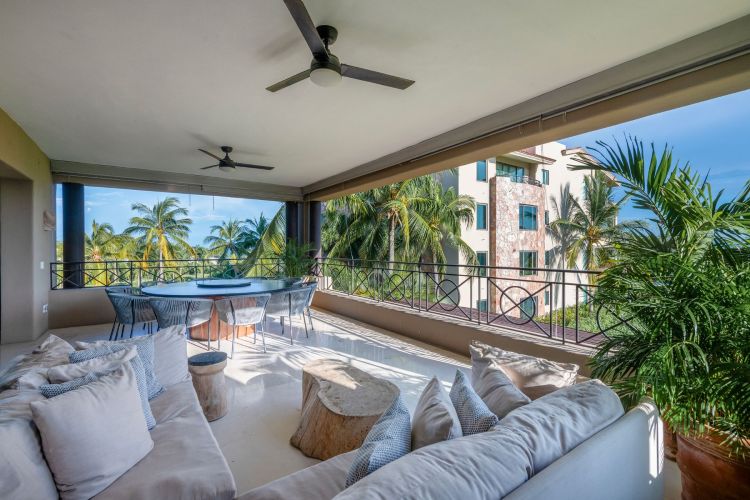


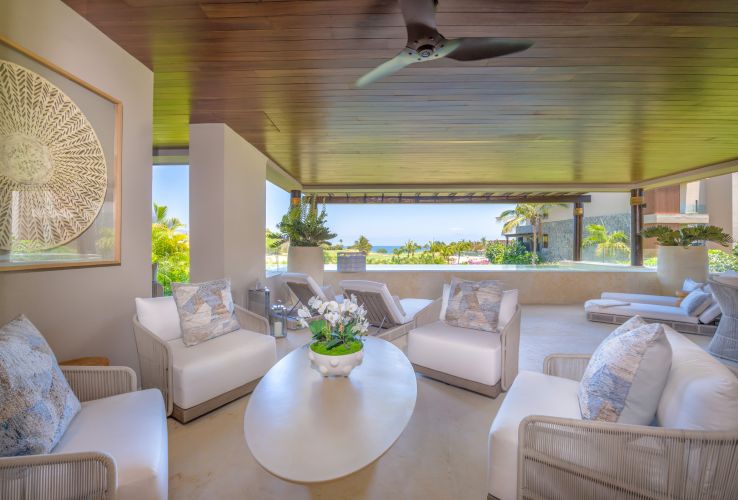
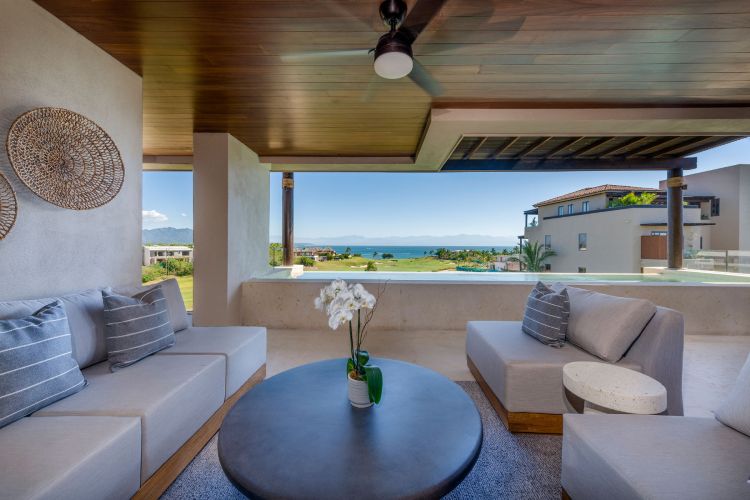
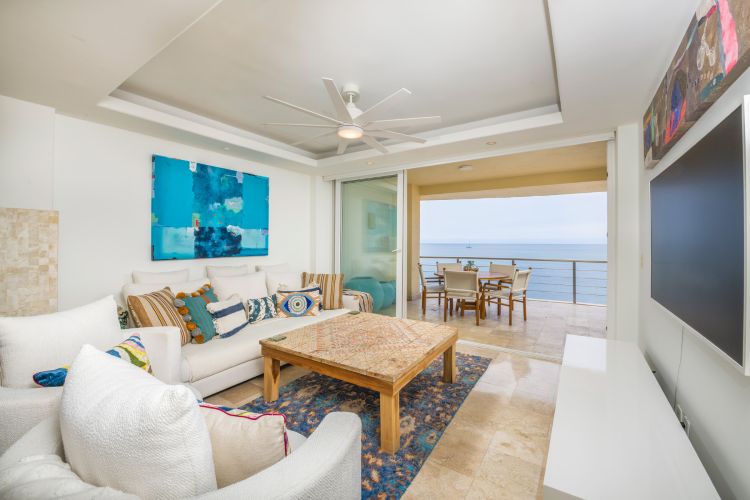
Enjoy this spacious and elegantly furnished condo in Hacienda de Mita, thoughtfully designed to appeal to upscale tastes. As the only beachfront condo complex within the secure, gated community of Punta Mita, it offers an unparalleled location with easy pedestrian access to town and private parking. Situated on the 3rd floor, this condo boasts spectacular pool and lush views of the golf course. The pristine landscaping and year-round colorful sunsets provide the perfect backdrop for an evening on the expansive patio enjoying an intimate meal or afternoon libations.

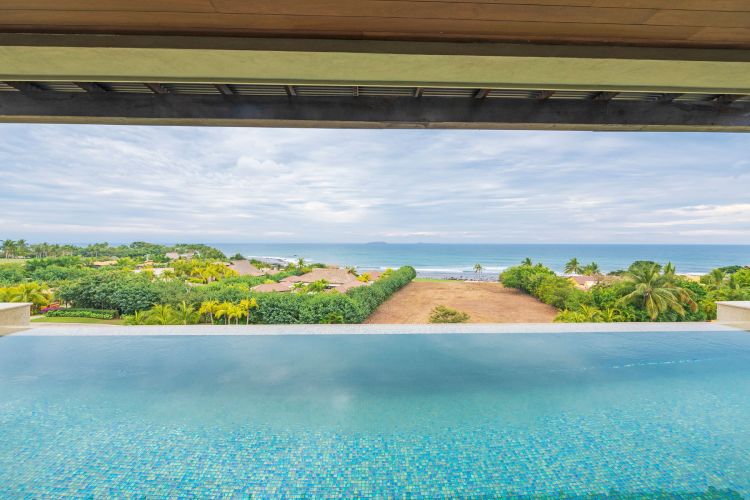
An exquisite oceanfront sanctuary set within the prestigious UAVI Beachfront Residences in Punta de Mita. Framed by more than two kilometers of pristine white-sand beach, this expansive property effortlessly unites ultimate privacy, sweeping ocean vistas, and resort-style amenities embedded in a master-planned natural haven.
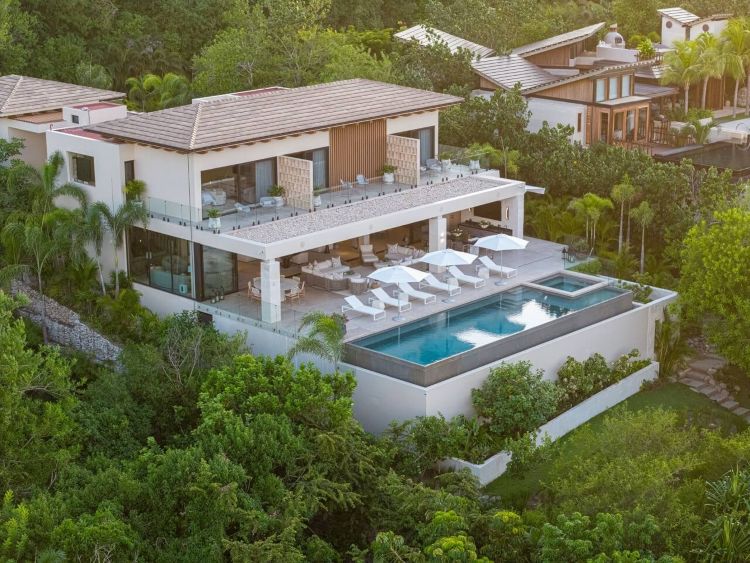
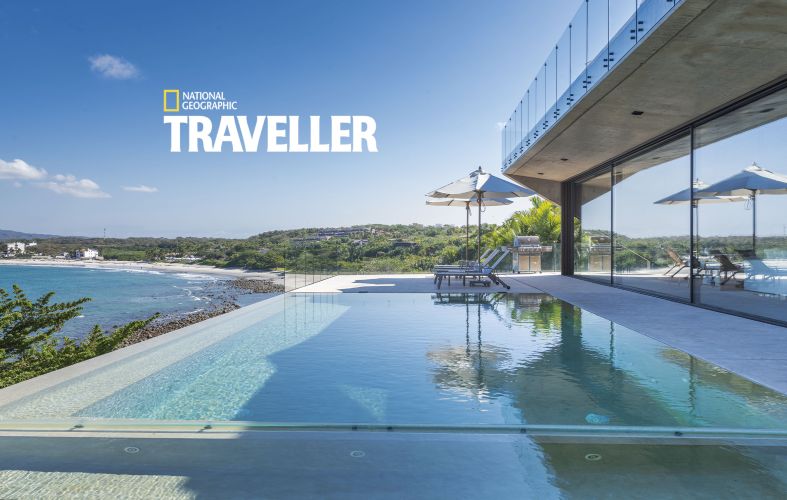
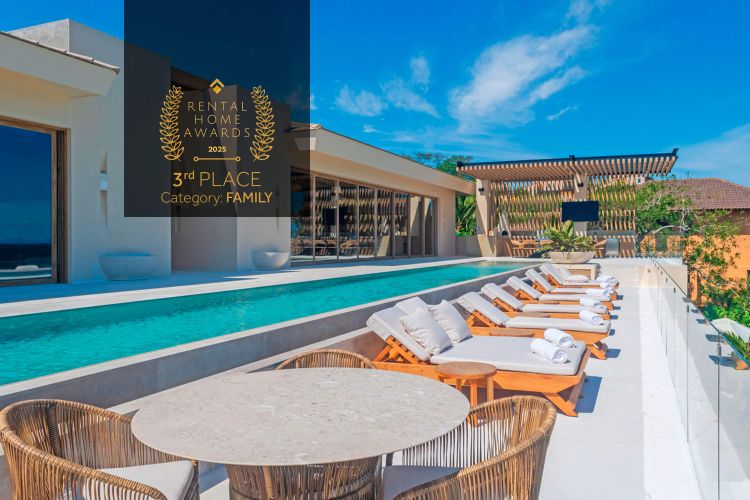
Casa Mare is a sophisticated private retreat designed for effortless indoor-outdoor living and unforgettable moments with family and friends. Featuring spacious, beautifully appointed interiors, floor-to-ceiling windows, and a seamless connection to the surrounding landscape, the home offers a refined yet inviting atmosphere. The open-concept living and dining areas create the perfect setting for gathering, while carefully curated artwork, contemporary furnishings, and natural textures add a distinctive sense of style. This residence is an ideal choice for families and groups seeking privacy, comfort, elevated design, and attentive service in Punta Mita.
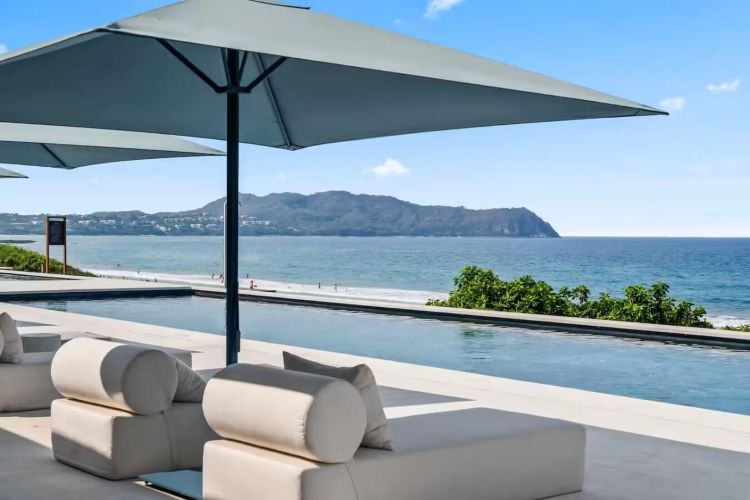
Exquisite oceanfront refuge nestled within the exclusive UAVI Beachfront Residences in Punta de Mita. Framed by over two kilometers of pristine white-sand beach, this expansive residence masterfully blends absolute privacy, panoramic ocean views, and world-class amenities within a thoughtfully planned natural landscape.
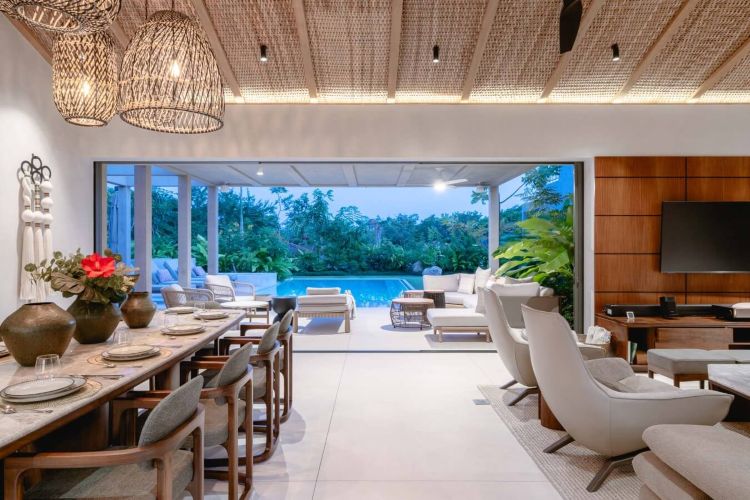
Villa Ceiba is an exclusive 4.5-bedroom residence located in the heart of Punta Mita, surrounded by lush tropical landscapes. This elegant retreat blends contemporary architecture with the tranquility of nature, making it ideal for families or groups seeking a refined yet relaxed luxury escape. Designed to seamlessly integrate indoor and outdoor living, the villa features sophisticated interiors, a private pool, expansive terrace for al fresco dining, a cozy firepit for evening gatherings, and beautifully landscaped gardens that invite relaxation. Guests enjoy Premier Golf Membership, granting access to Punta Mita’s renowned beach clubs, golf courses, and resort amenities. Daily housekeeping is also included for added comfort.
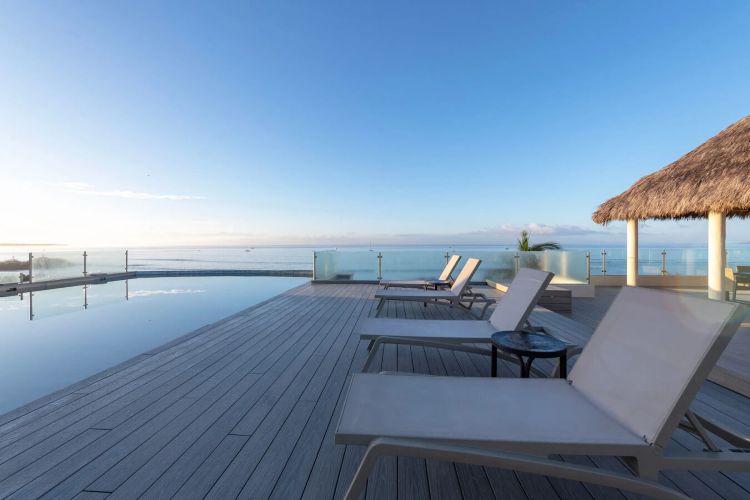
Condo Anclote is a newly renovated beachfront residence located in Condominios Punta de Mita, in the heart of Punta de Mita town. This elegant three-bedroom condo offers breathtaking ocean views, direct beach access, and a refined coastal ambiance—perfect for a tranquil yet stylish getaway. Ideally situated on Punta de Mita’s main street, guests can easily walk to top restaurants, cafés, and local shops.
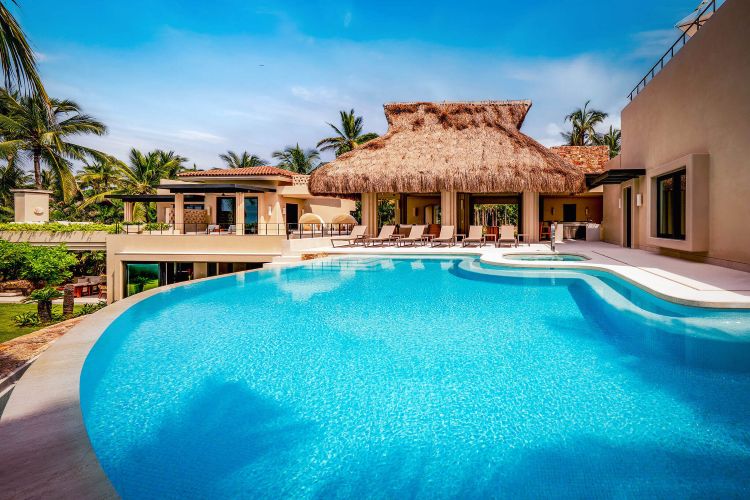
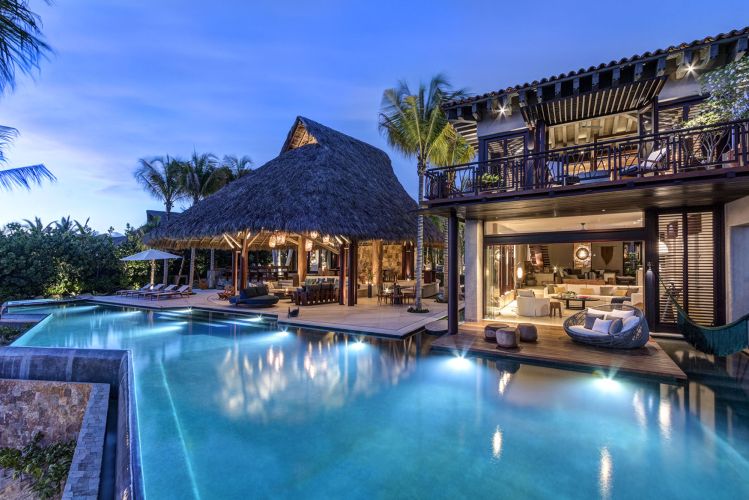
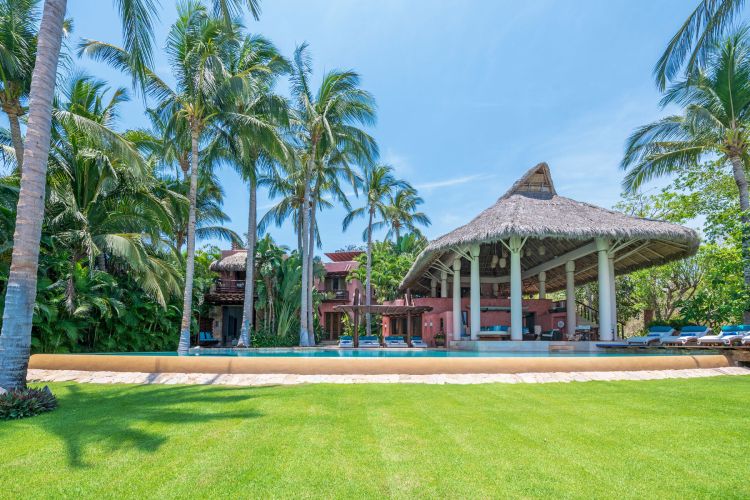
Enter Rancho 6 into the striking open- air palapa. This central social hub features a soaring thatched roof and sophisticated living area. Relax on plush sofas or gather at the bar for a margarita. Offering unobstructed ocean breezes, it seamlessly connects the entrance to the panoramic pool terraceand main guest suites. Unwind in this living sanctuary where glass walls disappear to reveal the Pacific sunsets, Sink into plush, cozy sofas to cool off in air-conditioned comfort or step directly onto the extended oceanfront lawn, This space offers the perfect balance of refined elegance and effortless indoor-outdoor living. Punta Mita is a 1,500-acre gated community located in the Pacific Ocean. It is widely known for its beautiful beaches and breathtaking views, which include the world-famous “Tail of the Whale” golf hole. The exclusive properties, inside the peninsula, are only 40 minutes North of Puerto Vallarta’s International Airport. This resort and residential community has quickly become a must-go destination for sophisticated travelers who seek to enjoy the natural beauty and world-class amenities of one of Mexico’s most luxurious travel destinations.
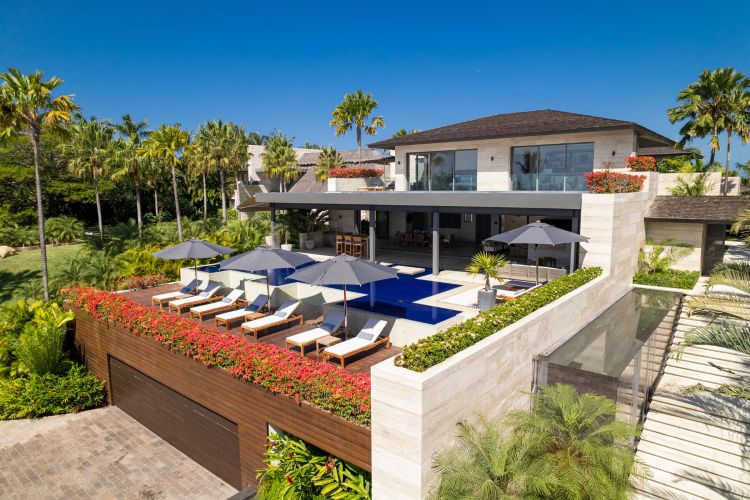
Casa Botti is a tropical sanctuary where contemporary architecture blends seamlessly with lush natural surroundings. Located within one of the most prestigious gated communities in Punta Mita, this extraordinary private residence offers an unparalleled luxury experience. Set on a 5,233 m² lot with 1,650 m² of construction, the villa features breathtaking views of the Pacific Ocean and Punta Mita’s world-class golf course. With 9 bedrooms, 14 beds, and 18 bathrooms, Casa Botti is ideal for large families or groups who love to gather and entertain, embodying privacy, elegance, and effortless sophistication.
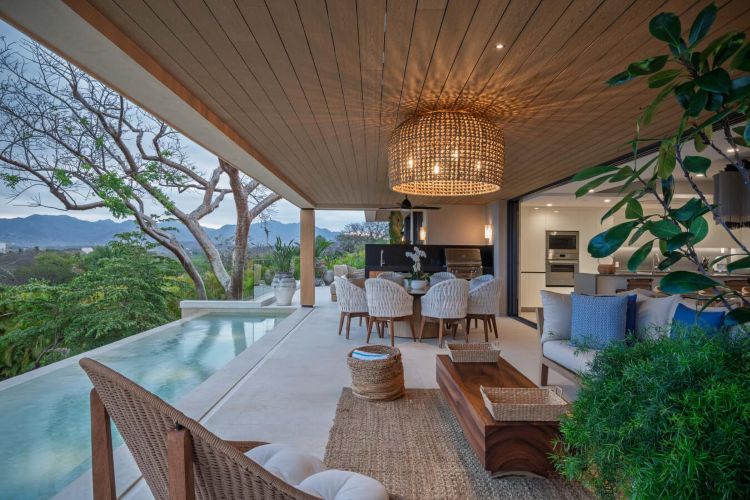
Villa Monarca offers an exclusive experience in Kupuri Beach Residences, Punta Mita. With breathtaking ocean views and just a short walk to Kupuri Beach Club, this villa is ideal for families or small groups seeking a refined and relaxing getaway. The property features a private ocean-view pool and elegant indoor-outdoor living spaces designed for comfort and connection.
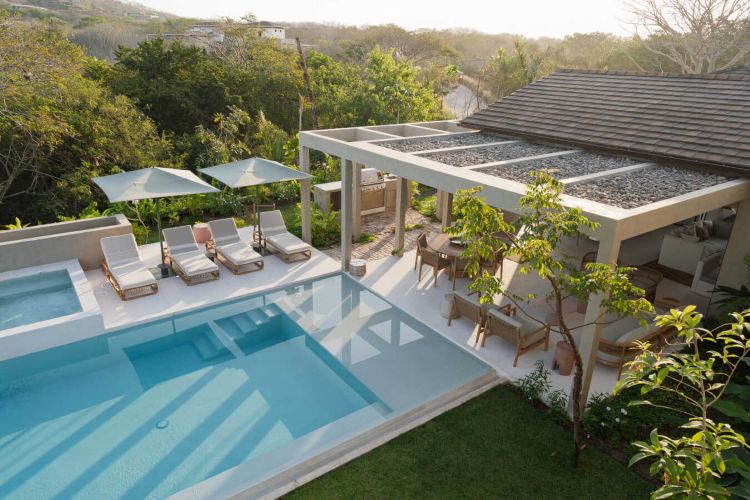
Villa Selva 33 is an exclusive 4.5-bedroom residence located in the heart of Punta Mita, surrounded by lush tropical landscapes. This elegant retreat blends contemporary architecture with the tranquility of nature, making it ideal for families or groups seeking a refined yet relaxed luxury escape.
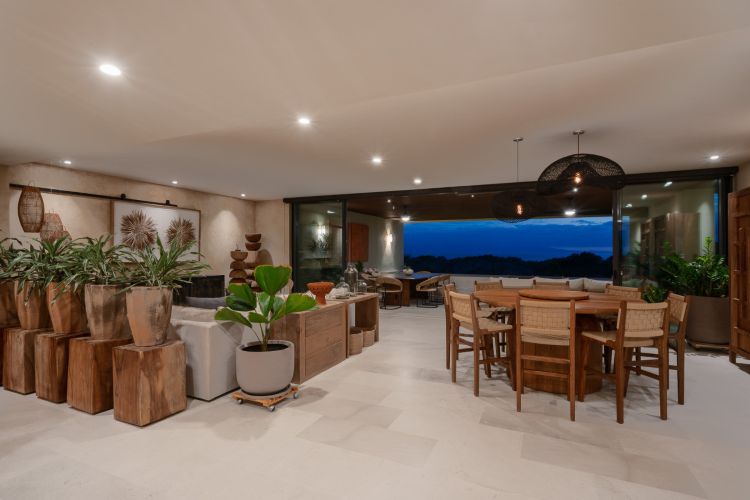
Spacious luxury residence in Surf Residences, Punta Mita, just 120 meters from the beach with ocean and mangrove views. This elegant condo features 4 bedrooms plus staff room, including a master suite with King bed, soaking tub, and double shower. Enjoy a private pool, large terrace with lounge seating, TV room, and fully equipped kitchen. Designed in a modern wabi-sabi style with warm tropical touches, perfect for families and groups seeking comfort and privacy.
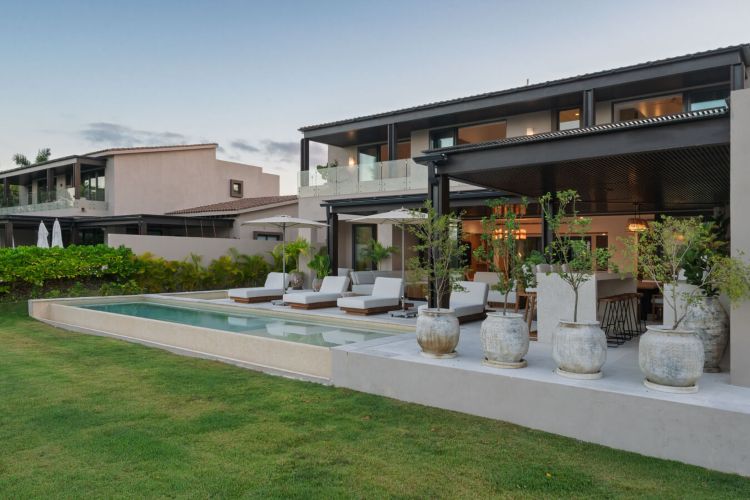
Villa Buena Vida is a luxury golf-view residence in the exclusive Porta Fortuna Golf Villas within Punta Mita. This private villa features 4 bedrooms—three with king beds and a bunk room with two queens and two twins—plus staff quarters.

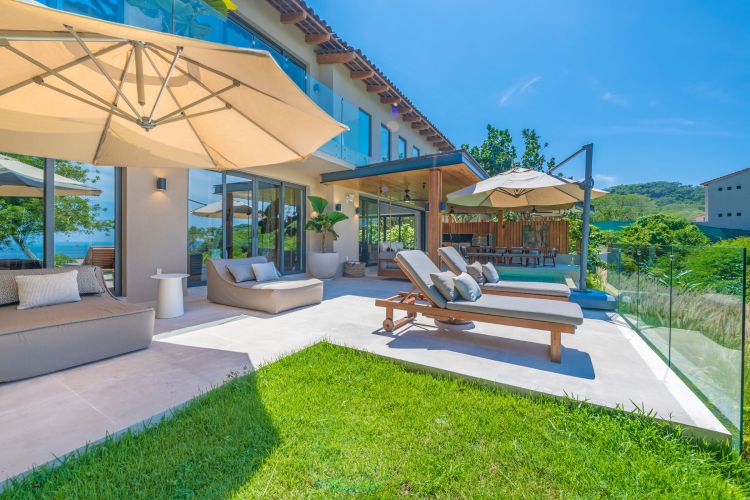
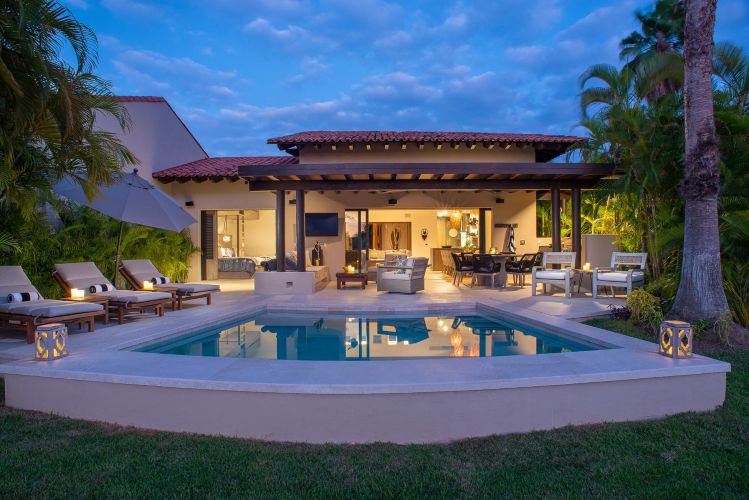

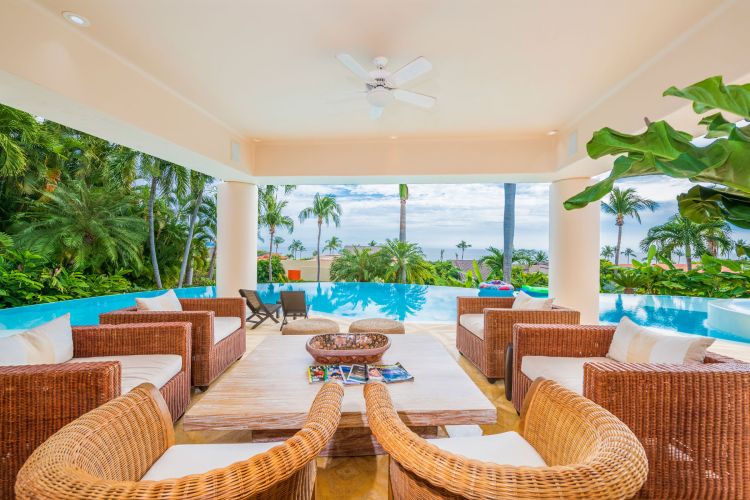
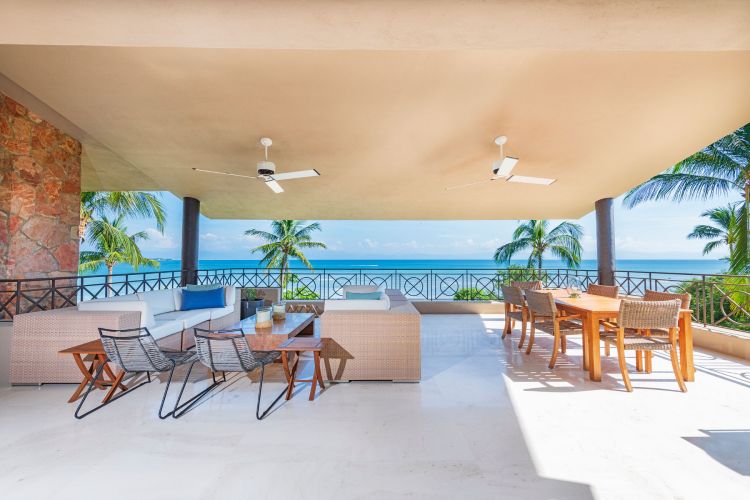
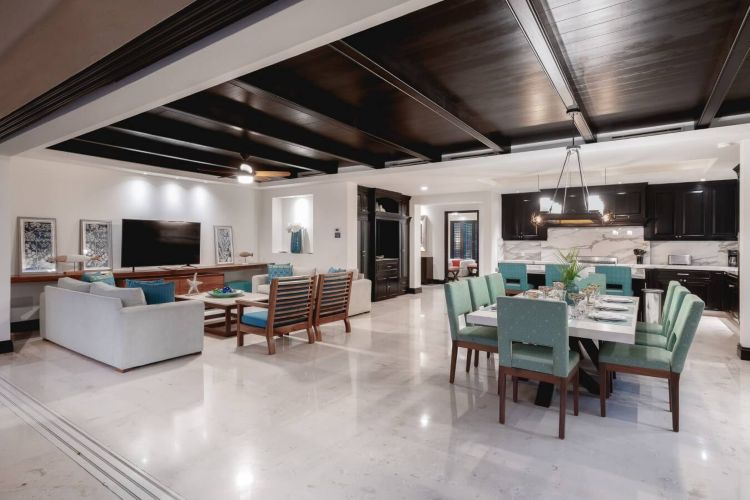


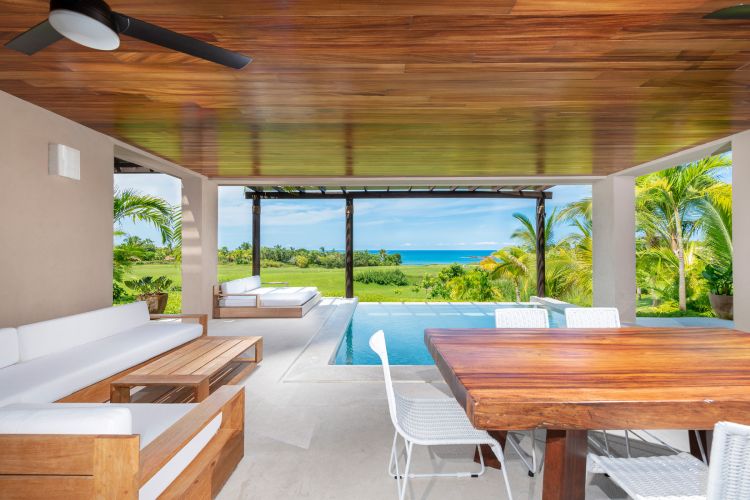
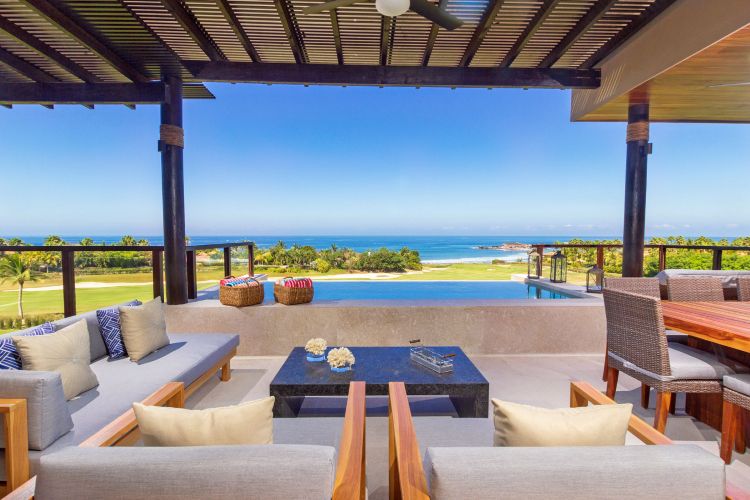



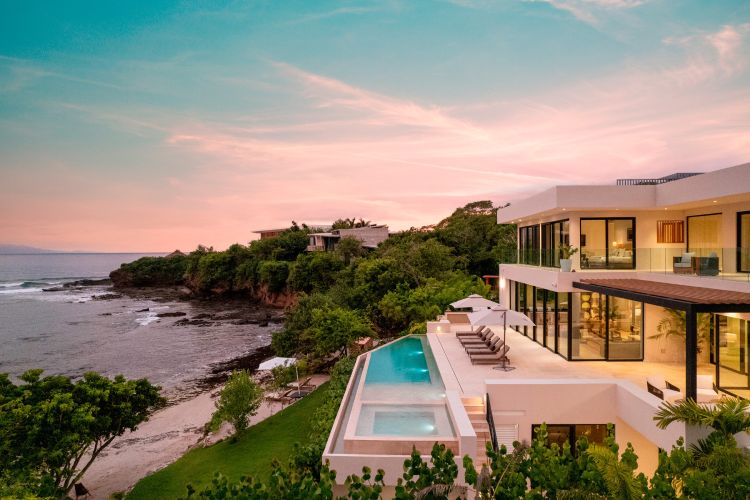
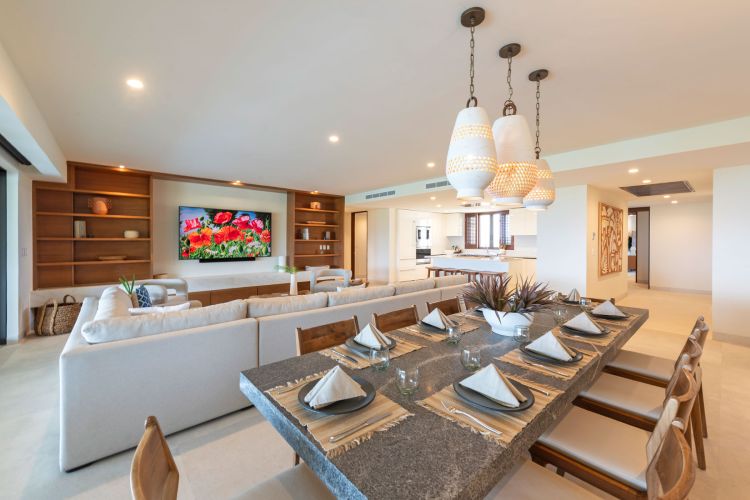
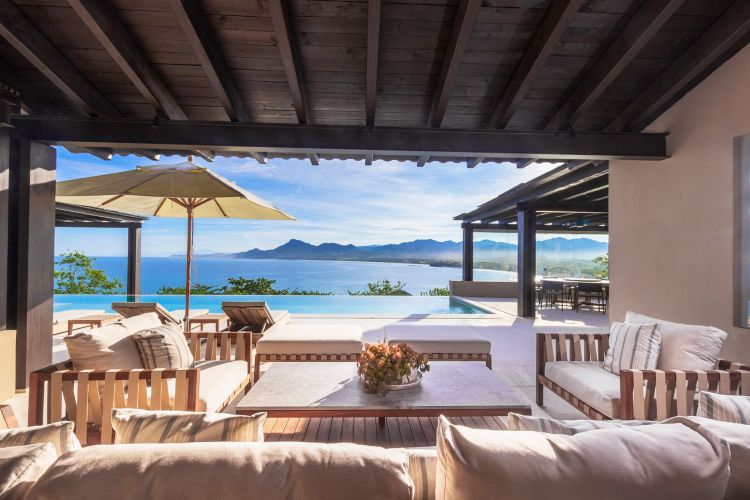
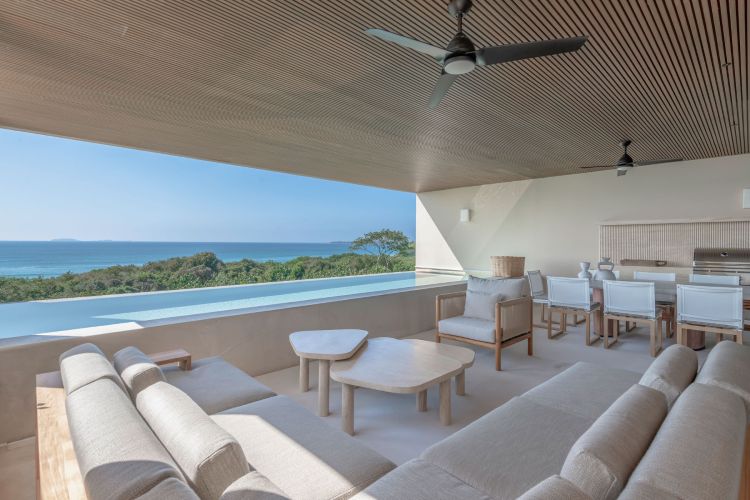



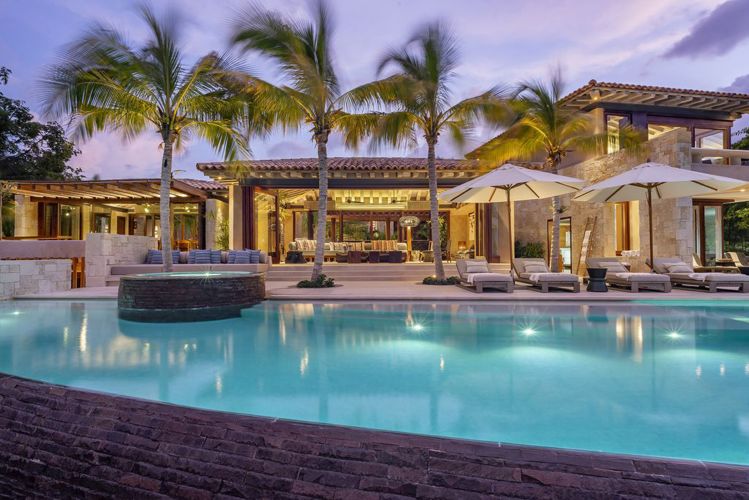

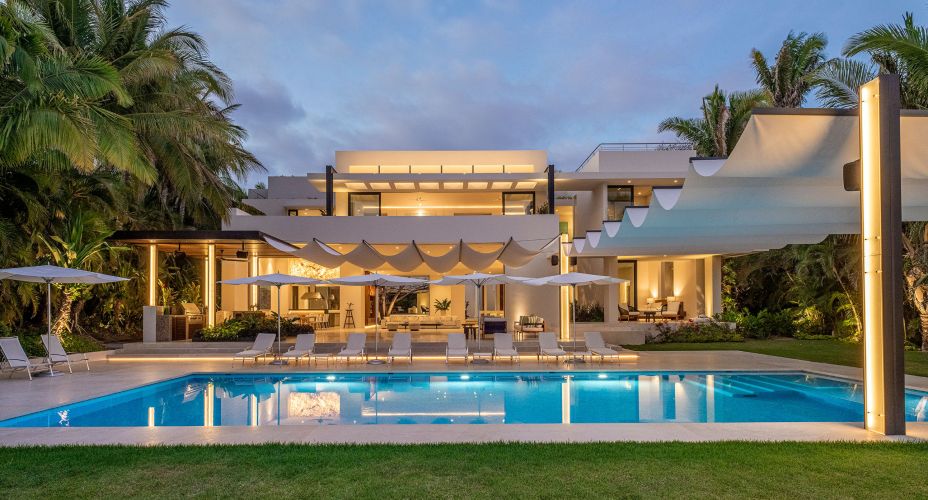
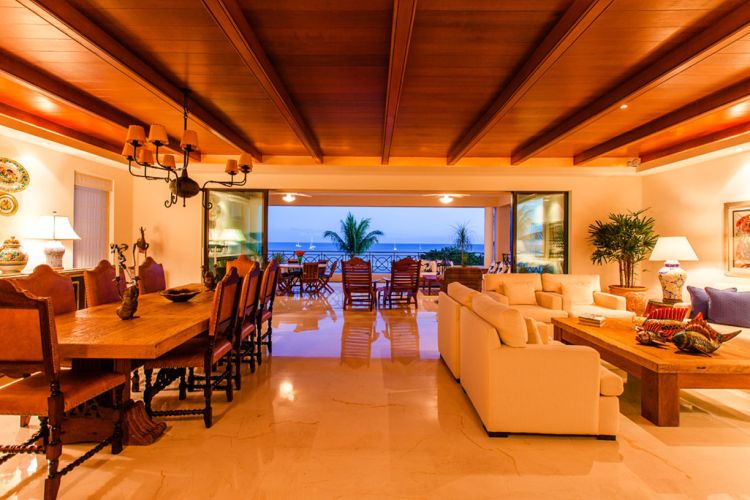
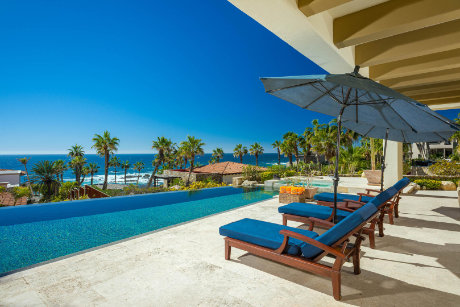
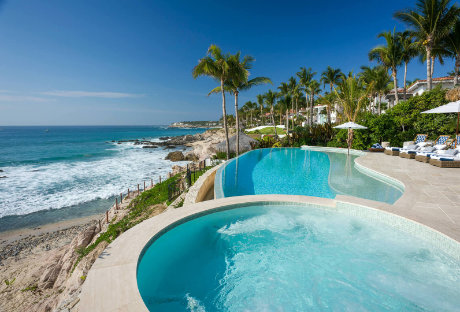
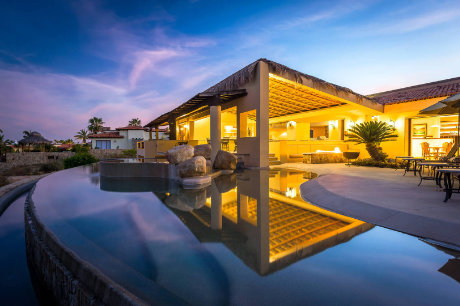
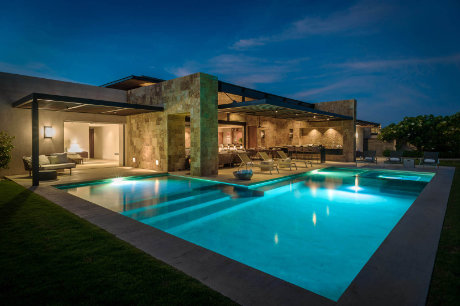





Ready to Experience a Mita Residential Vacation? Browse Our Most Coveted Properties
From beachfront escapes to golf course havens, these exceptional residences consistently top our guests’ wish lists. Browse the accommodations our guests return to year after year.