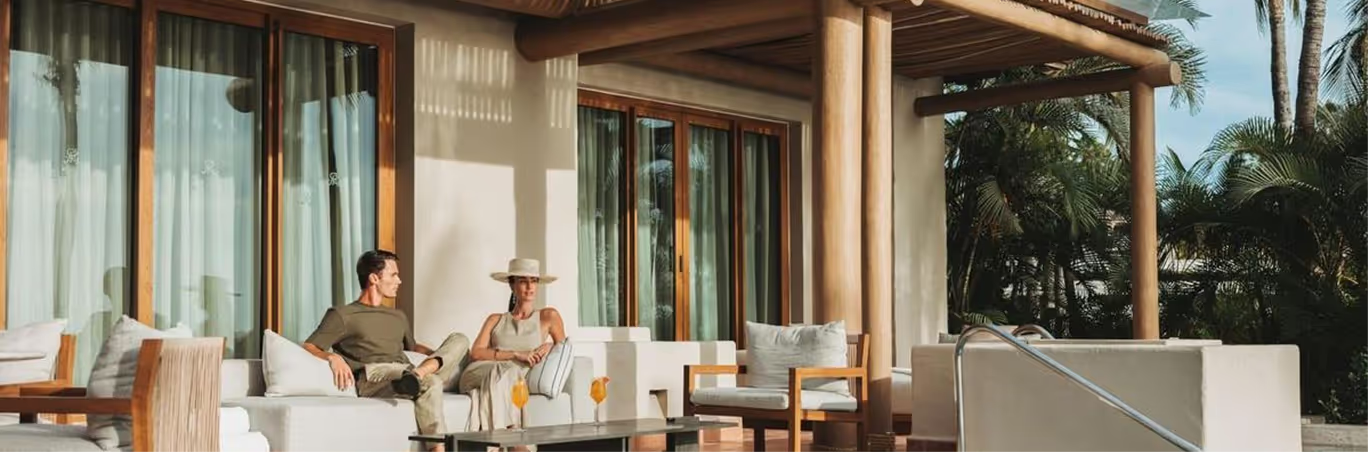
Whale Watching in Punta Mita and Cabo San Lucas: Mexico's Pacific Coast Guide
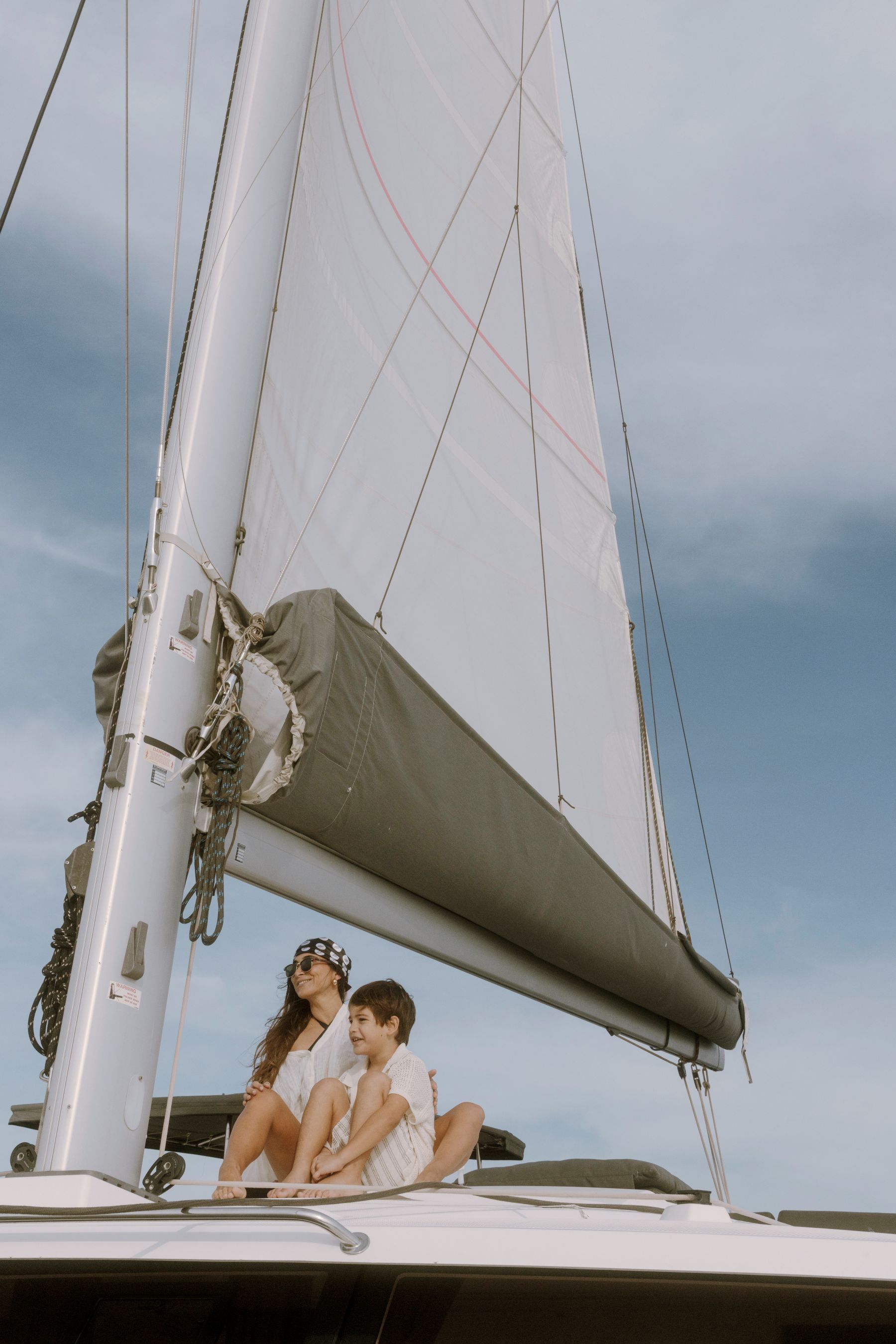
With over 20 years of experience Mita Residential manages & rents luxury estates, villas, and condos in the top beach destinations in Mexico: Punta Mita and Los Cabos, Mexico.
When most travelers think of Mexico's marine life, their minds go immediately to the Caribbean, where they can enjoy coral reefs in Cozumel, sea turtles in the Riviera Maya, and cenote swimming near Tulum. What this assumption misses is one of the most extraordinary marine wildlife spectacles on the planet, unfolding each winter along Mexico's Pacific Coast in waters that rival anything the Caribbean offers and surpass it entirely when it comes to large marine mammals.
Every November through April, the Pacific Coast of Mexico becomes one of the world's premier whale watching destinations, as humpback whales complete a migration journey of more than 3,000 miles from the cold feeding grounds of Alaska and the Pacific Northwest to reach the warm, protected bays of the Mexican Pacific.
The scale of this migration—hundreds of whales making the same ancient journey simultaneously—creates viewing opportunities that rank among the most remarkable wildlife encounters available anywhere on Earth.
Two destinations along this coastline stand out for the quality and consistency of their whale watching experiences: Punta Mita, positioned on Banderas Bay in Nayarit, and Cabo San Lucas, at the dramatic southern tip of the Baja California Peninsula. Both deliver exceptional encounters with humpback whales during winter months, yet the experiences they offer differ significantly in terms of setting, species diversity, and the character of the encounters. Understanding those differences allows travelers to choose the destination that matches what they're actually seeking from a whale watching experience—or to plan visits to both.
Why Mexico's Pacific Coast Draws Whales Every Winter
The mechanics of humpback whale migration to Mexico's Pacific Coast reflect millions of years of evolutionary refinement. These whales spend the summer months feeding in the nutrient-rich cold waters off Alaska, British Columbia, and the Pacific Northwest, consuming enormous quantities of krill and small fish to build the fat reserves that will sustain them through winter, when they stop eating almost entirely. When water temperatures begin dropping and daylight shortens, they turn south and begin one of the longest migration journeys of any mammal on Earth.
What draws them specifically to Mexico's Pacific Coast bays comes down to the particular combination of water temperature, bay geometry, and protected conditions these locations provide. Humpbacks giving birth and nursing calves need warm water, newborn calves lack the substantial blubber layer that insulates adult whales, making temperature critical during their first weeks of life. They need locations where predator pressure remains minimal, allowing mothers to focus on nursing, bonding, and teaching rather than constant vigilance.
The whales display behaviors during their Pacific Coast winter residency that differ significantly from what you'd observe in summer feeding grounds. Winter months are dedicated to reproduction, birth, and calf development rather than feeding, which means animals are behaviorally active in entirely different ways: males singing their haunting, complex songs to attract mates, mothers teaching calves increasingly sophisticated behaviors, and juveniles playing in ways that look remarkably like how young mammals of other species interact. This behavioral richness makes Pacific Coast whale watching genuinely different from marine mammal viewing experiences elsewhere in the world.
Whale Watching in Punta Mita: What to Expect
Punta Mita's position on Banderas Bay places guests in one of the optimal locations for humpback whale encounters on Mexico's Pacific Coast. The numbers here are significant: approximately 700 humpback whales use Banderas Bay each season, which means encounters during peak months are not occasional highlights but reliable daily occurrences.
The bay's distinctive shape creates natural protection from open ocean swells, resulting in calmer water conditions that support the nursing and teaching behaviors that define what makes Banderas Bay special. Mothers bring their calves to these protected waters specifically because the gentle conditions allow newborns to develop swimming skills without fighting ocean currents, and this nursery-like environment creates encounters centered on mother-calf dynamics that other whale watching destinations rarely match.
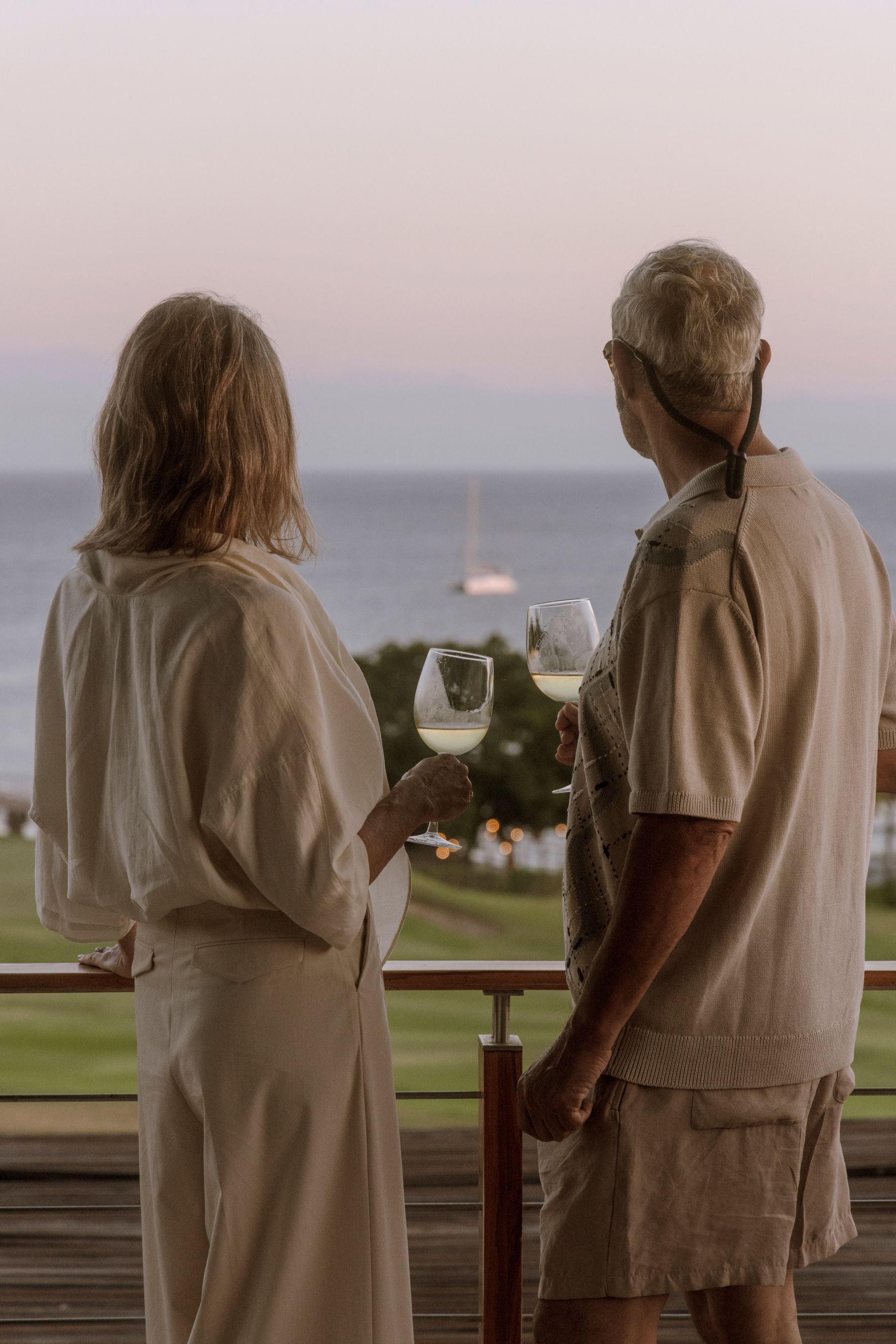
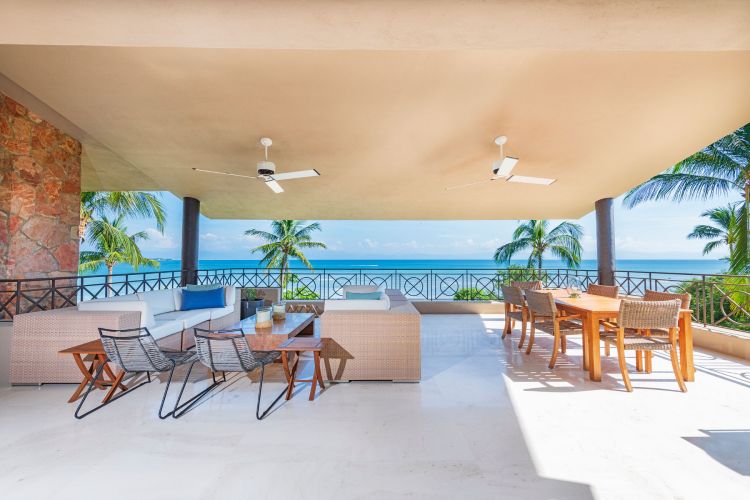
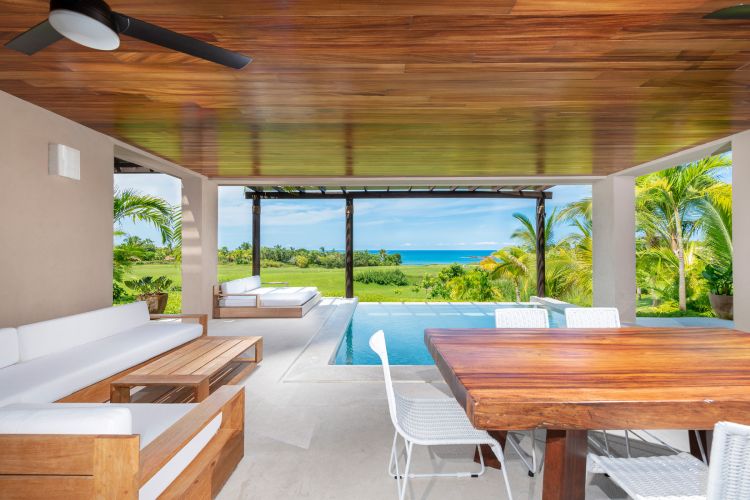
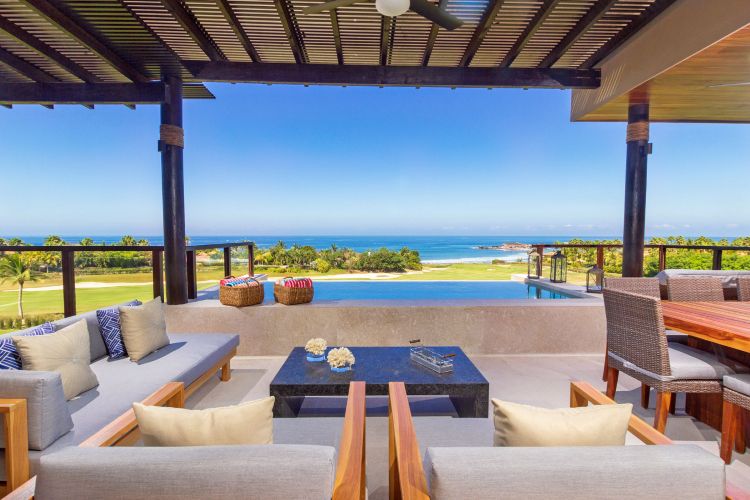
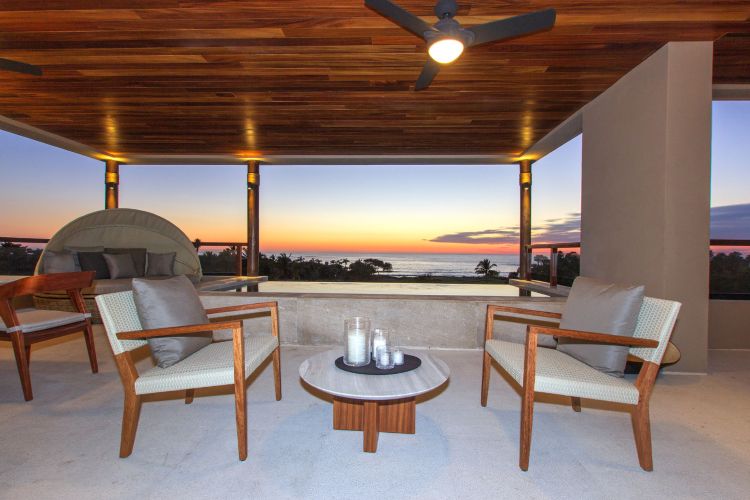
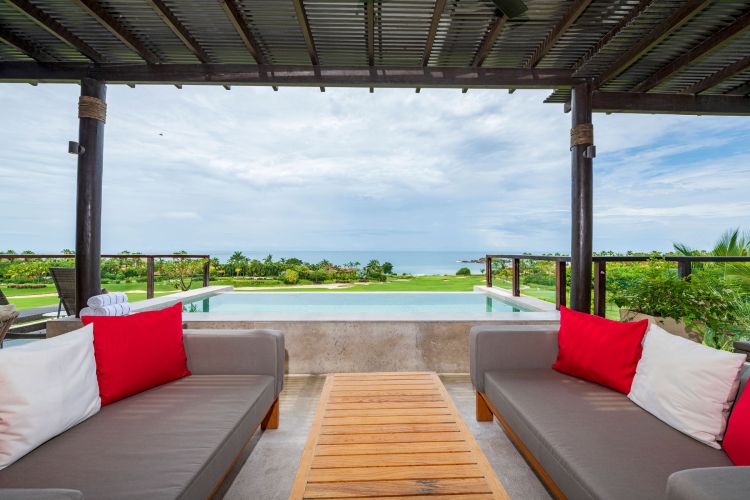
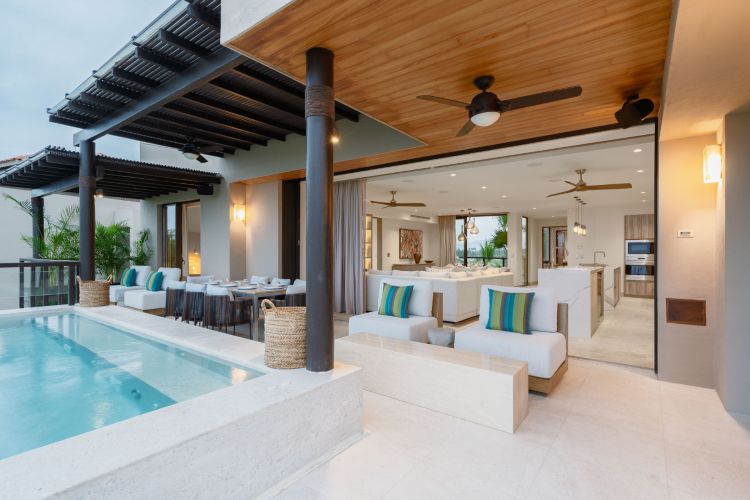
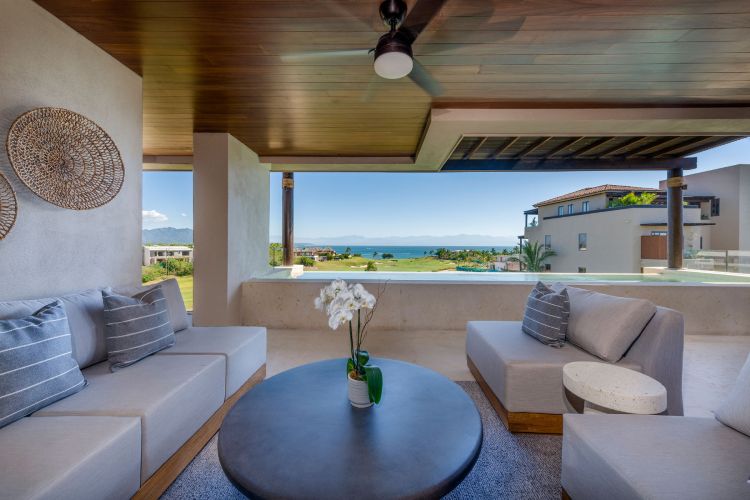
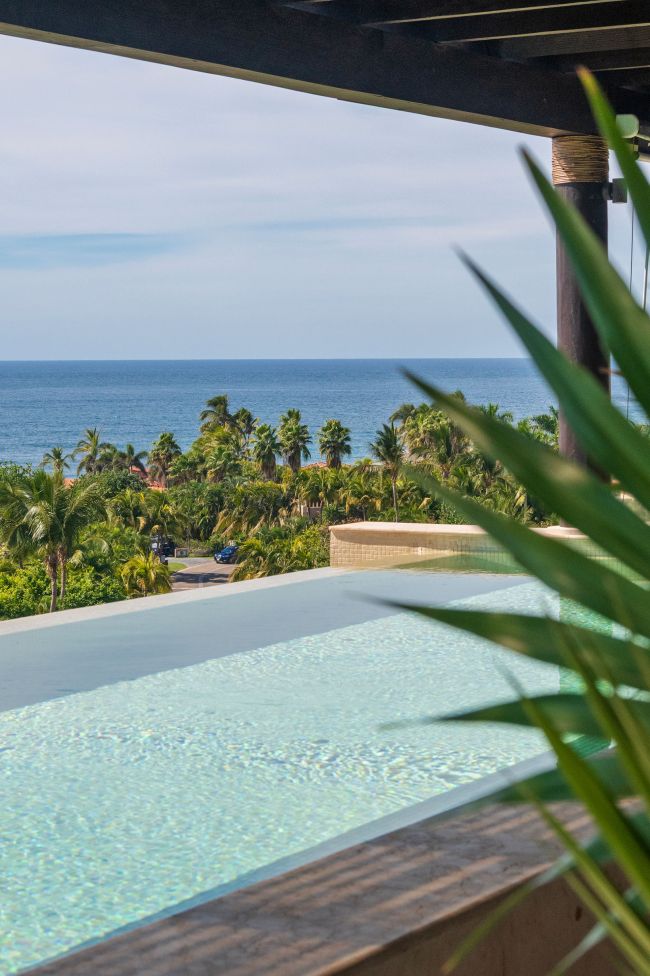
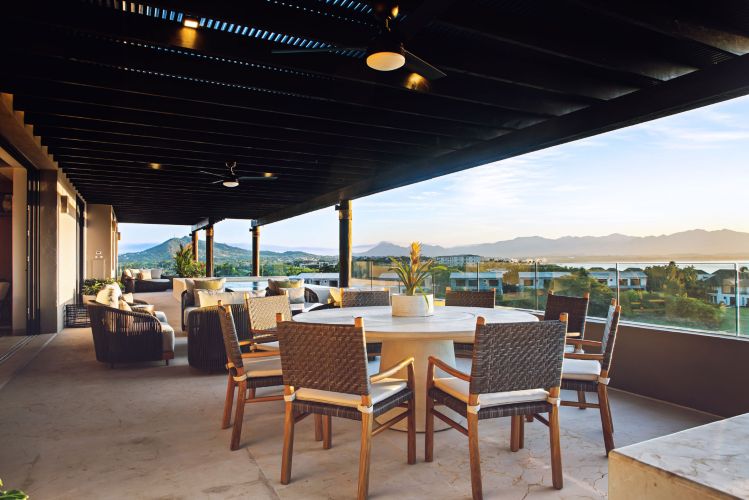
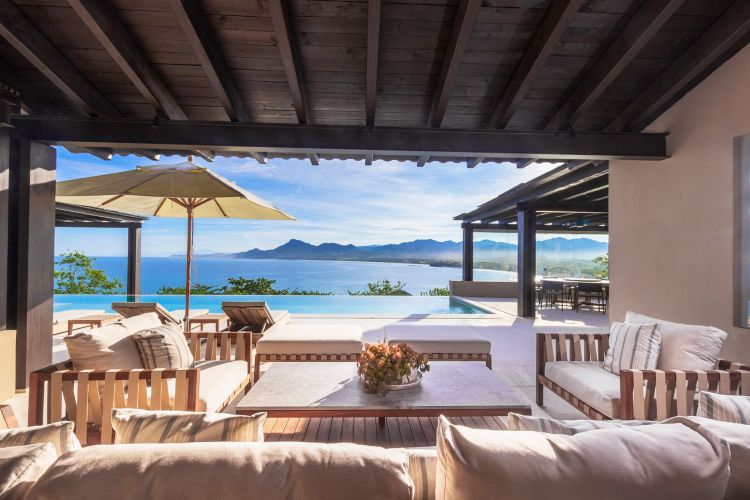
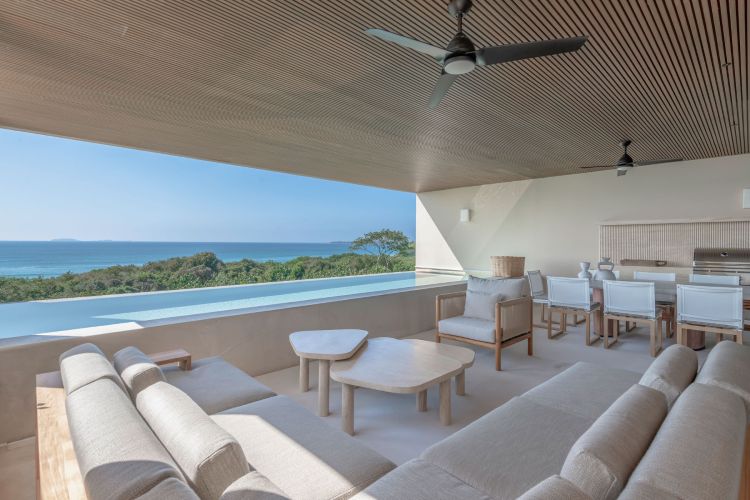
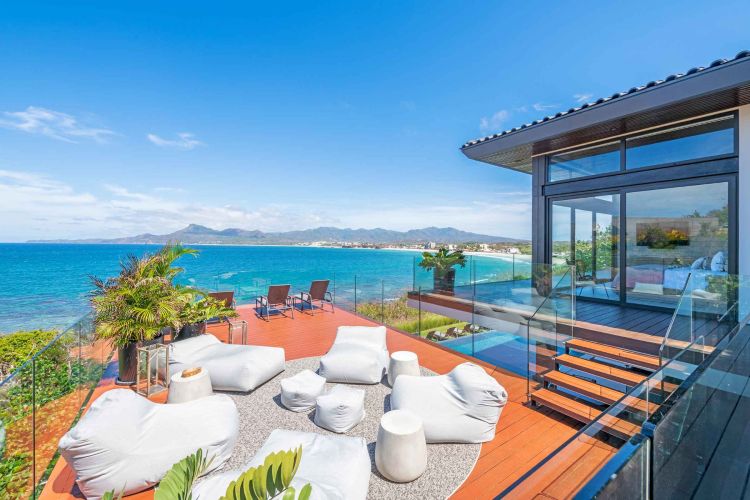
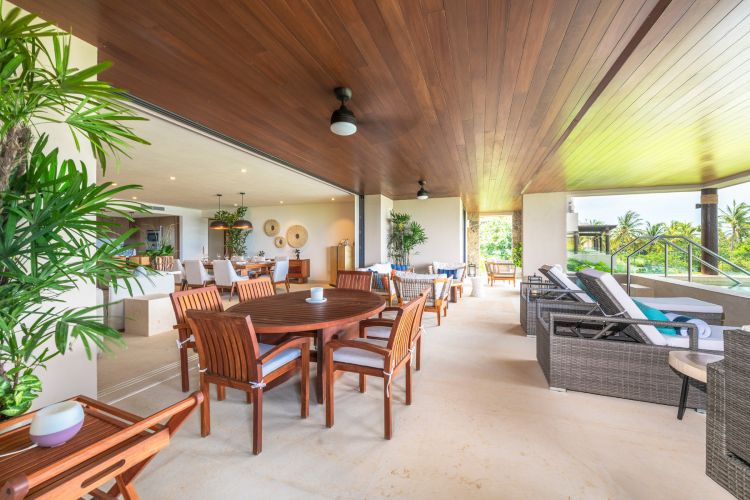
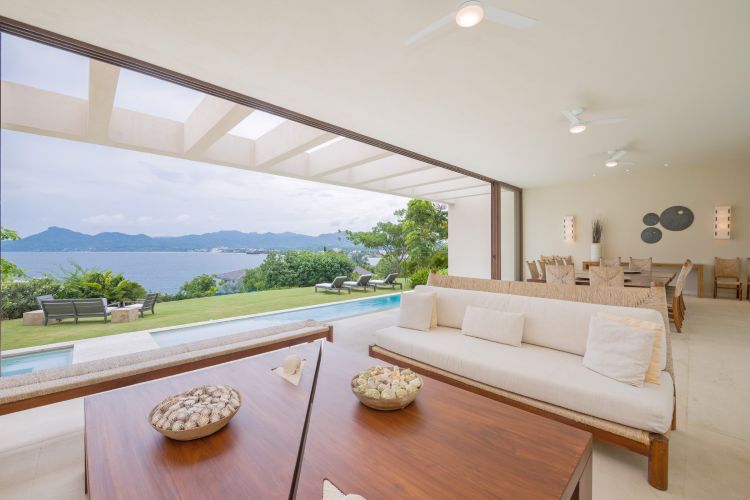
From the terraces of Mita Residential's ocean-facing properties, whale watching begins without leaving your villa. During peak months, mornings frequently offer spontaneous sightings of whale tails rising from the surface, full breaches where adult animals launch their entire 40-ton bodies from the water before crashing back in explosions of white spray, and the distinctive spouts visible from significant distances. Some mornings, you'll count multiple whales simultaneously from your infinity pool, making coffee on your terrace an experience that consistently surprises even guests who've spent time in dedicated wildlife destinations.
On the water, encounters take on dimensions impossible to appreciate from land. The sound of a humpback's exhalation—a deep, resonant exhale audible from considerable distance—carries a physical quality that travels through your chest rather than simply entering your ears. Private boat charters arranged through your Mita Residential concierge access captains who carry hydrophones, underwater microphones that, when deployed, allow passengers to hear the whale songs that male humpbacks sing continuously during winter months. These songs are among the most complex acoustic productions in the animal kingdom, changing gradually across seasons as males incorporate new elements while maintaining recognizable structure. Hearing them underwater while watching whales surface nearby creates one of those experiences that defies adequate description.
When to See Whales in Punta Mita, Mexico
Understanding the seasonal arc of whale watching in Punta Mita allows for more intentional trip planning based on what specific experiences you're seeking.
November arrivals mark the beginning of the season, with whale numbers building throughout the month as migration continues. Early season offers the advantage of excellent weather conditions and the first encounters of the year, though peak population concentrations haven't yet reached their maximum.
December through January is the peak season for whale watching in Punta Mita for several reasons. Population concentrations reach their maximum as migration completes and the full complement of whales occupying Banderas Bay arrives. Birth rates peak during this window, meaning calves are very young and the mother-calf interactions that define Banderas Bay's character are at their most active and visible.
February and March shift the behavioral dynamics as the season progresses toward its conclusion. Calves born earlier in the season are now larger and more capable, which means mother-calf pairs engage in increasingly ambitious behavioral sequences as mothers build their calves' endurance for the coming migration north. Watching a mother run her calf through repeated diving sequences, or seeing a juvenile breach enthusiastically in what appears to be pure play, provides a different but equally compelling window into humpback behavior.
Late March through early April marks the end of the season in Banderas Bay, as whales begin the return migration north and sightings become increasingly infrequent.
Whale Watching in Cabo San Lucas: A Different Pacific Experience
Whale watching in Cabo San Lucas offers a fundamentally different experience shaped by its unique geography. Los Cabos sits at the southern tip of Baja California, precisely where the Pacific Ocean meets the Sea of Cortez—a convergence that creates marine conditions unlike anywhere else along Mexico's Pacific Coast and draws a broader diversity of whale species than Banderas Bay typically sees.
The iconic backdrop of Land's End—dramatic rock formations, the famous arch of El Arco, sheer cliffs dropping into cobalt water—gives Cabo whale watching a visual drama that differs completely from Banderas Bay's lush, tropical setting. Where Punta Mita encounters happen against a backdrop of green jungle meeting Pacific blue, Cabo San Lucas whale watching unfolds against a stark desert landscape and open ocean, creating a different aesthetic quality to the experience.
Humpback whales dominate Cabo whale watching just as they do in Punta Mita, but the species diversity expands considerably in Los Cabos waters. Gray whales—undertaking their own remarkable migration to calving lagoons further north along the Baja Peninsula—transit through Cabo waters during winter months, creating opportunities to observe two distinct species with very different behavioral profiles in the same trip.
Gray whales behave quite differently from humpbacks: generally calmer, less acrobatic, but sometimes more approachable and curious about boats, particularly the mothers in their famous lagoons further north. Blue whales, the largest animals ever known to have existed on Earth, make occasional appearances in the nutrient-rich waters where the Pacific and Sea of Cortez converge, providing the possibility—never a guarantee—of encounters with animals that genuinely redefine your sense of scale.
The open-ocean setting of Cabo whale watching means conditions can be more dynamic than in the protected bay of Banderas Bay. On calm days, this creates exhilarating encounters against dramatic seascapes. When wind and swell build, the experience becomes more physically demanding, which is worth understanding before booking morning tours, particularly if traveling with children or family members sensitive to motion.
When Is Whale Season in Cabo San Lucas?
Whale season in Cabo San Lucas runs approximately December through April, with the official peak period typically cited as mid-December through mid-April—a slightly longer window than Punta Mita's season due to Cabo's position as both a destination for wintering whales and a transit point for animals moving along the Baja Peninsula.
December marks the beginning of reliable cabo whale watching activity, with humpback numbers building throughout the month as migration from northern feeding grounds completes. Early season offers the advantage of arriving whales in active social behavior—males competing, displaying, and beginning their elaborate singing—alongside the first mother-calf pairs of the season.
January through March are the core months for whale watching in Cabo San Lucas, when it is most reliable and behaviorally rich. February is often cited by experienced operators as the best month for whale watching. Visitors can experience the combination of maximum humpback concentrations, calves old enough to begin showing the acrobatic tendencies their species is known for, and gray whale transit activity at its peak.
The convergence of species and behaviors during this window creates days on the water where encounter variety—a breaching humpback, a gray whale surfacing nearby, perhaps a pod of dolphins joining the boat—approaches the remarkable diversity of species that has earned the Sea of Cortez its reputation as the world's aquarium.
April extends the whale watching season in Cabo beyond what Punta Mita typically offers, as the geography of Baja California supports whale activity later into spring. While numbers diminish through April as animals begin moving north, dedicated early morning tours can produce meaningful encounters through mid-April in most years, and the reduced competition for prime viewing positions and smaller crowds add appeal to late-season trips.
When is whale watching season in Cabo at its absolute peak? For most purposes, booking between late January and early March positions you in the heart of the season when encounter reliability is highest, behavioral variety is greatest, and both humpback and gray whale activity overlap most productively.
Punta Mita vs Cabo Whale Watching: Two Distinct Experiences
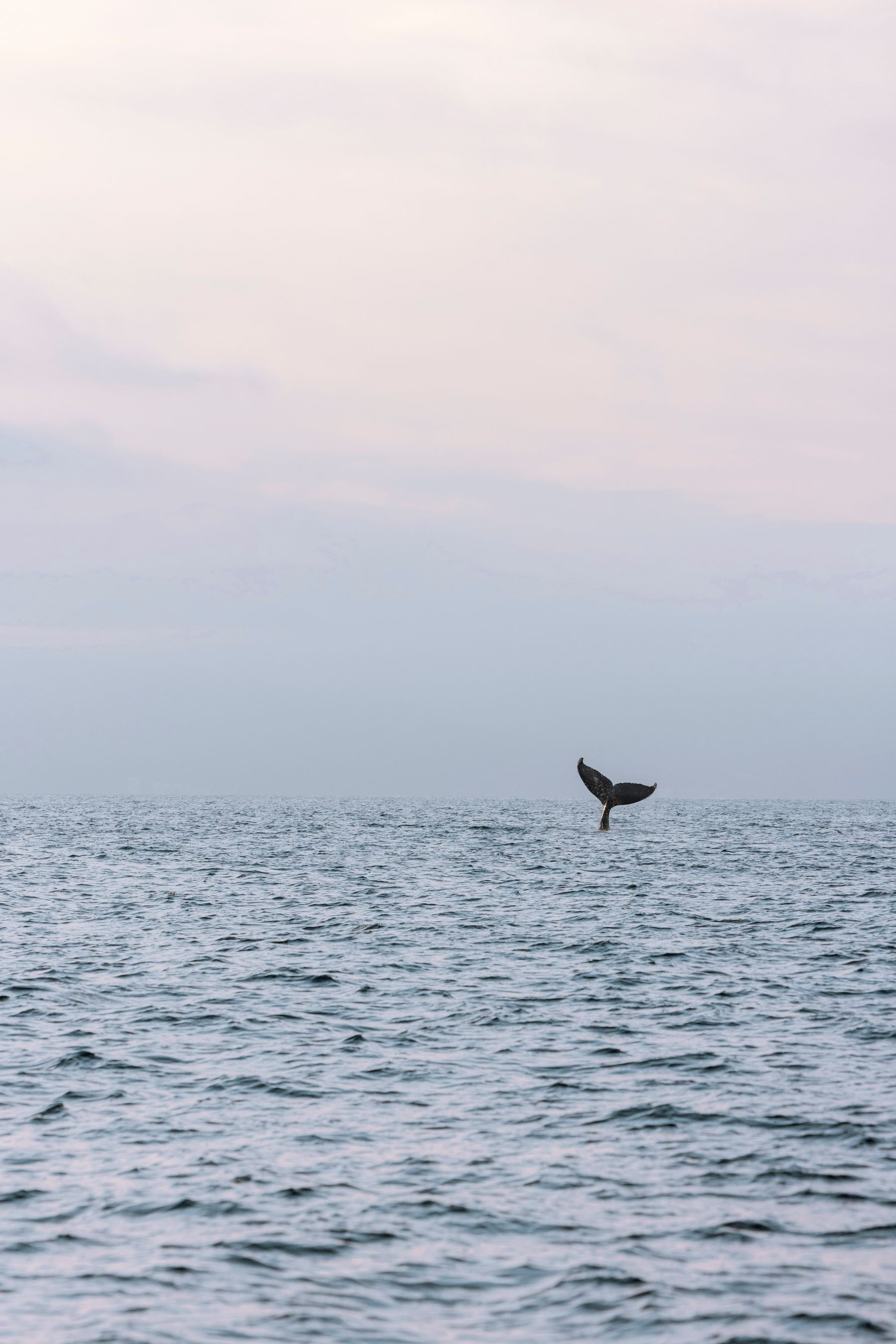
Travelers choosing between whale watching in Punta Mita and whale watching in Cabo San Lucas aren't really choosing between better and worse options—they're choosing between meaningfully different experiences that appeal to different priorities.
Punta Mita whale watching centers on the intimate, nursery-like quality of Banderas Bay encounters. The calm, protected waters mean that mother-calf interactions are the defining characteristic of the experience—watching humpback mothers teach their calves to breach, dive, and navigate is a behavioral window that the more dynamic open-ocean setting of Cabo doesn't replicate in the same way. The ability to combine villa-based spontaneous viewing from your terrace with intentional private charter experiences creates a relationship with whale season that feels woven into the rhythm of your stay rather than a single excursion extracted from it.
Cabo whale watching offers species diversity and visual drama that Punta Mita doesn't match. If seeing gray whales alongside humpbacks matters to you, or if the possibility of blue whale encounters appeals, or if the iconic backdrop of Land's End and the dramatic Baja landscape shapes your vision of the experience, Cabo delivers something Banderas Bay cannot. The longer season—reliable through April rather than tapering in March—also suits travelers whose schedules don't allow December through February travel windows.
For families or groups whose Punta Mita stay coincides with whale season, the decision is straightforward: Banderas Bay's calm waters, reliable humpback activity, and proximity to your villa create an experience that enhances rather than requires deviation from your vacation rhythm. For travelers specifically planning a Pacific Coast wildlife experience as the primary purpose of their trip, visiting both destinations during a longer Mexico journey allows you to experience what each location does best.
Planning Your Pacific Coast Whale Watching Journey
Practical planning for whale watching along Mexico's Pacific Coast benefits from understanding a few elements that consistently shape the quality of the experience.
Morning departures produce the calmest water conditions at both destinations, which matters for comfort on the water and for the quality of hydrophone audio if you're working with captains who carry them. The light quality during morning hours also benefits photography, though whale watching at any hour during peak season produces encounters that cameras struggle to adequately capture regardless of conditions.
Private charters with small passenger numbers—typically 6 to 12 people maximum rather than large tour vessels—create fundamentally different encounters. Small boats maneuver more precisely to position for optimal viewing, create quieter water presence that doesn't disrupt whale behavior, and allow captains to respond dynamically to animal activity rather than following predetermined routes designed for large groups.
At Punta Mita, your Mita Residential concierge coordinates private charter bookings as part of pre-arrival planning, ensuring your preferred dates are secured with operators who consistently deliver quality experiences while maintaining respectful interaction with wildlife. These relationships—built over two decades of connecting discerning guests with Punta Mita's finest captains—provide access to the operators who know Banderas Bay most intimately and who understand whale behavior well enough to anticipate activity rather than simply searching.
Whether you're experiencing whale watching in Punta Mita from the terrace of your villa with morning coffee, on the water with a captain who drops a hydrophone so you can hear whale songs while watching them surface nearby, or planning a broader Pacific Coast journey that includes cabo whale watching for its species diversity and dramatic landscape—Mexico's Pacific winter offers marine wildlife experiences that consistently rank among the most memorable encounters travelers report from anywhere in the world.
Contact your Mita Residential concierge to begin planning your whale watching experience in Punta Mita. Our team coordinates private charters, villa positioning for optimal terrace viewing, and every element of your Pacific Coast marine wildlife journey.

Explore our properties
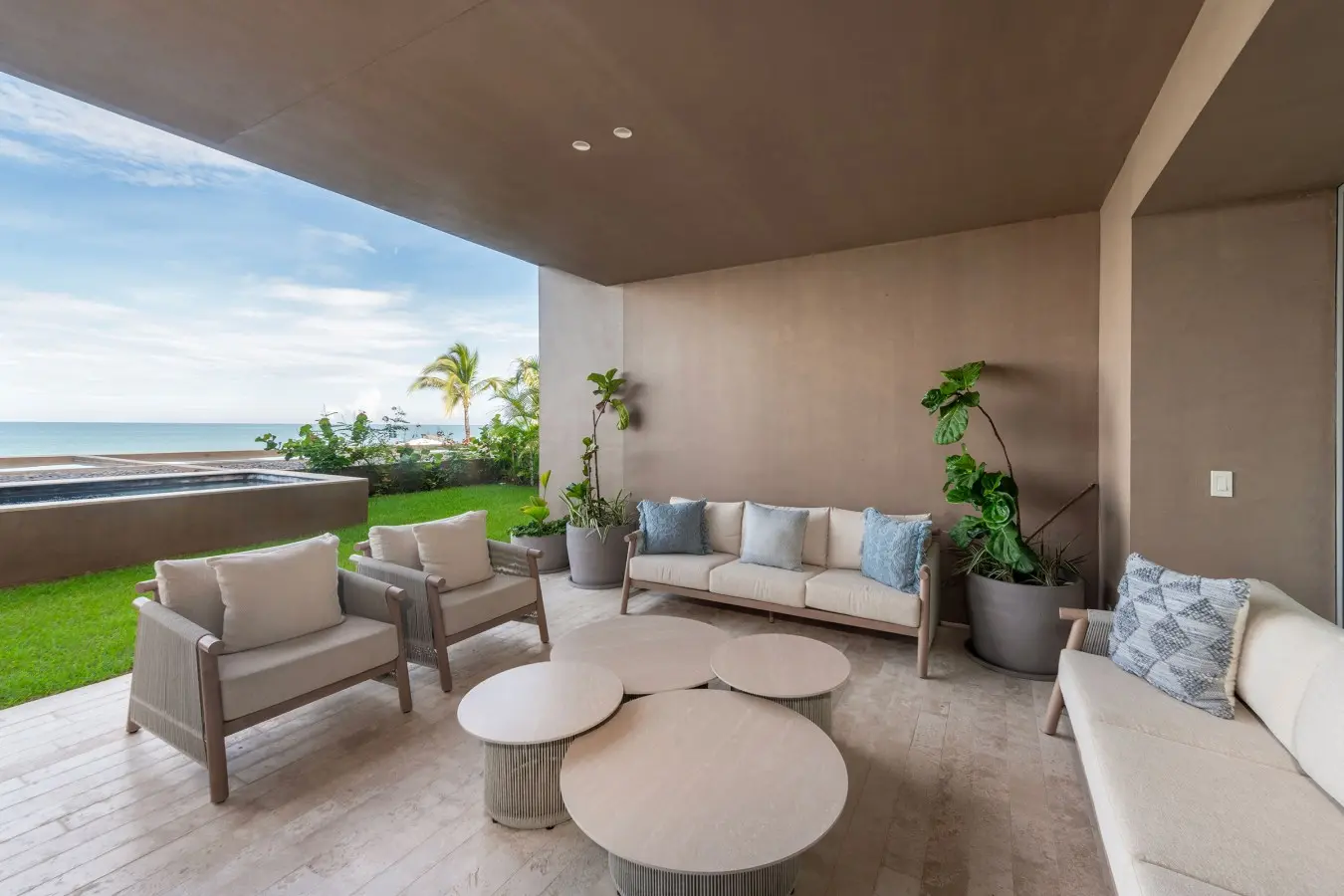


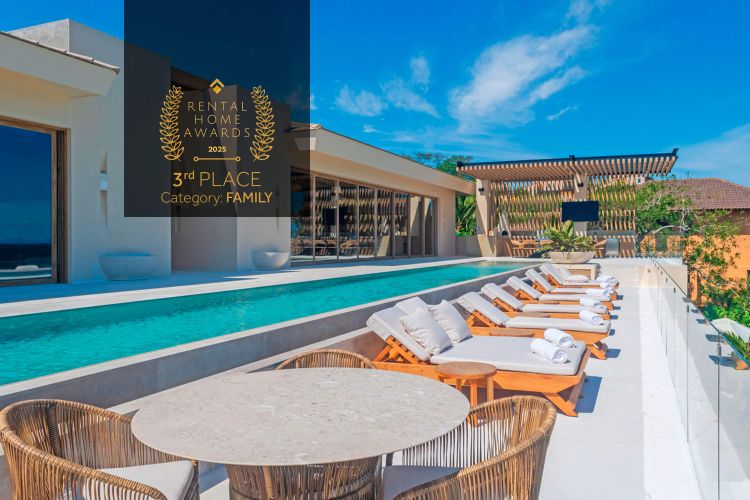
UAVI Beachfront Residences Exquisite oceanfront refuge nestled within the exclusive UAVI Beachfront Residences in Litibú. Framed by over two kilometers of pristine white-sand beach, this expansive residence masterfully blends absolute privacy, panoramic ocean views, and world-class amenities within a thoughtfully planned natural landscape. Experience the epitome of relaxed coastal luxury. Pent Garden Azul Pacífico is architecturally designed to maximize natural light and capture the mesmerizing hues of the Pacific Ocean from almost every angle. -Seamless Living & Dining: The fully equipped, open-concept gourmet kitchen (complete with a stove, oven, refrigerator, freezer, and dishwasher) flows effortlessly into the spacious indoor living and dining areas. It creates an inviting, connected environment perfect for sharing special moments, whether you are preparing a catch-of-the-day feast or unwinding after a sun-drenched day on the beach.
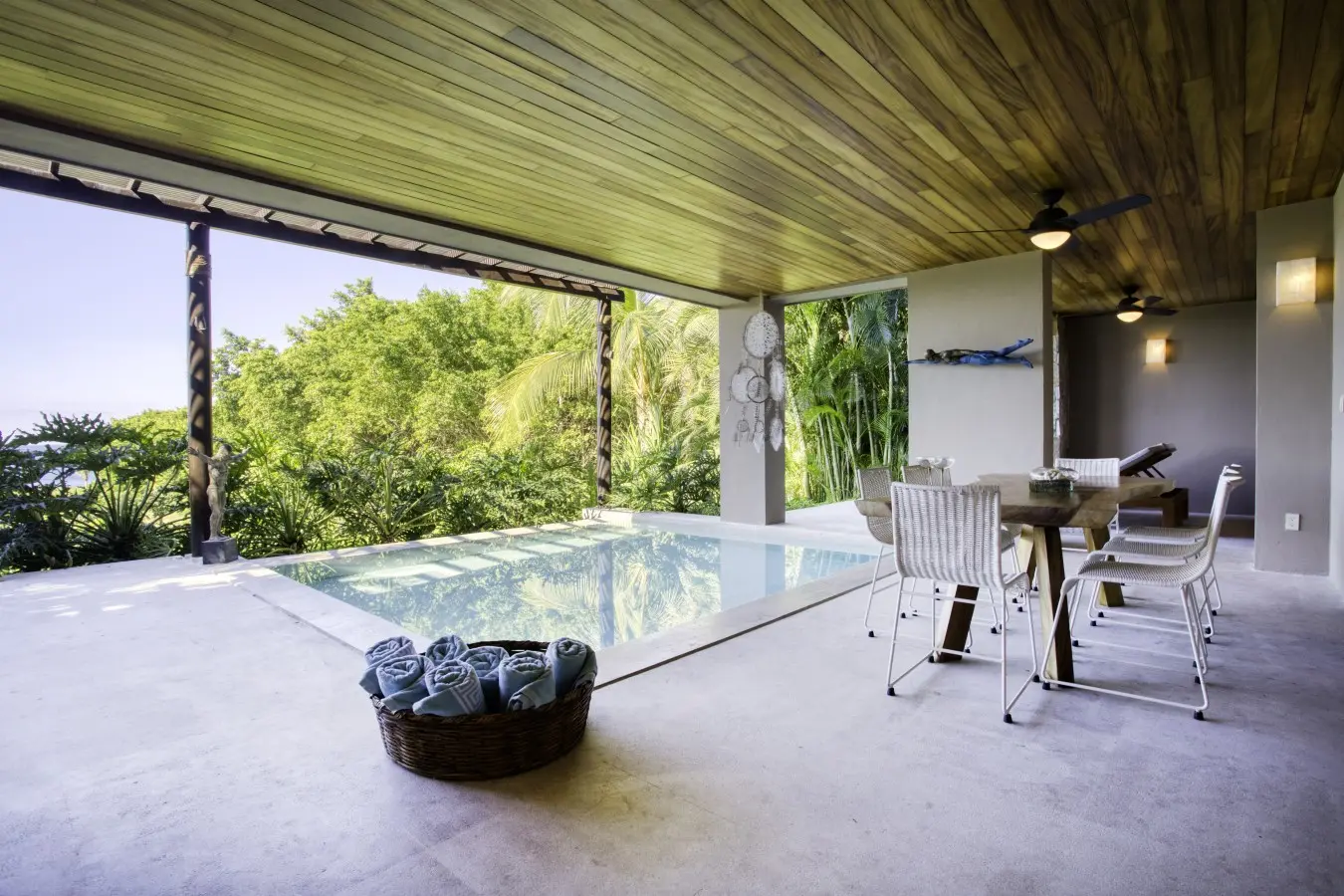
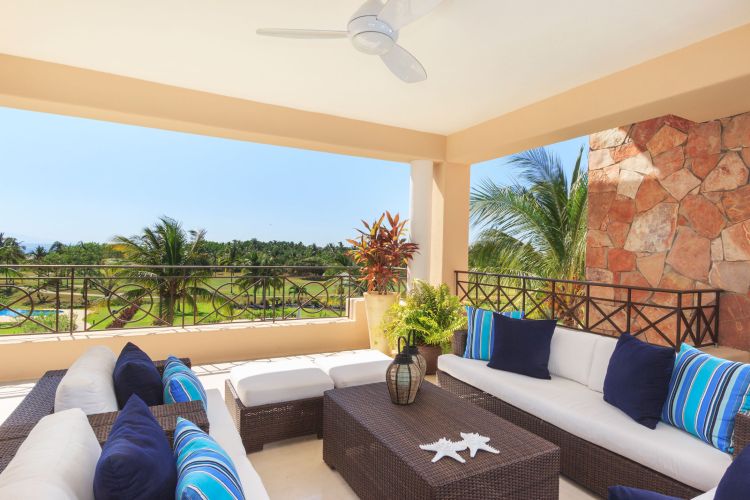
Nestled in the exclusive Las Marietas community within the prestigious Punta Mita development, Condo Paraíso is a ground-floor luxury sanctuary designed to comfortably accommodate up to 8 guests. Situated just 200 meters from the beach, this residence seamlessly blends privacy, contemporary design, and panoramic views showcasing green golf fairways and the blue Pacific Ocean.
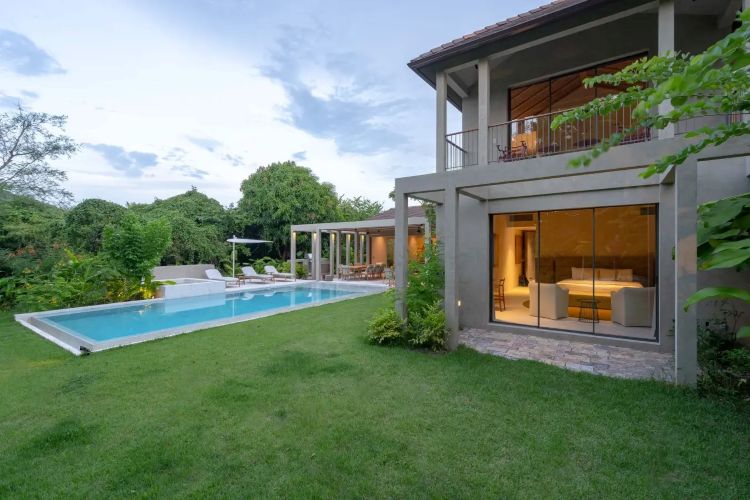
Villa Armonía is an exclusive 4.5-bedroom residence located in the heart of Punta Mita, surrounded by lush tropical landscapes. This elegant retreat blends modern Mexican beach-style architecture with the tranquility of the jungle, making it ideal for families or groups seeking a refined yet relaxed luxury escape. Designed to seamlessly integrate indoor and outdoor living, the villa features sophisticated interiors, a private pool, an expansive main terrace with an outdoor living area, a cozy firepit for evening gatherings, and beautifully landscaped gardens that invite relaxation. Guests enjoy Premier Golf Membership, granting access to Punta Mita’s renowned beach clubs, golf courses, and resort amenities. Daily housekeeping is also included for added comfort. *Please note that Punta Mita Resort applies a mandatory access fee for its amenities, including beach clubs, golf, tennis, pickleball, and fitness center: $50 USD per adult (13+) and $30 USD per child (5–12). This fee will be added to your booking, along with a 15% service charge and 16% VAT. *A refundable security deposit will be requested. Alternatively, guests may opt to purchase damage protection insurance in lieu of the security deposit.
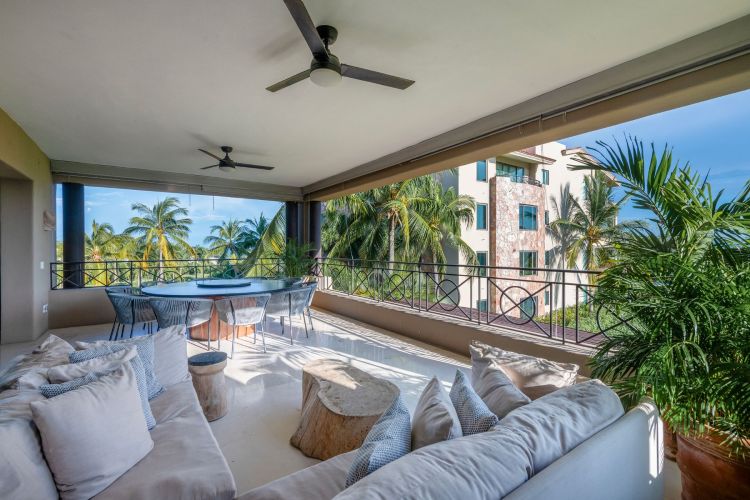
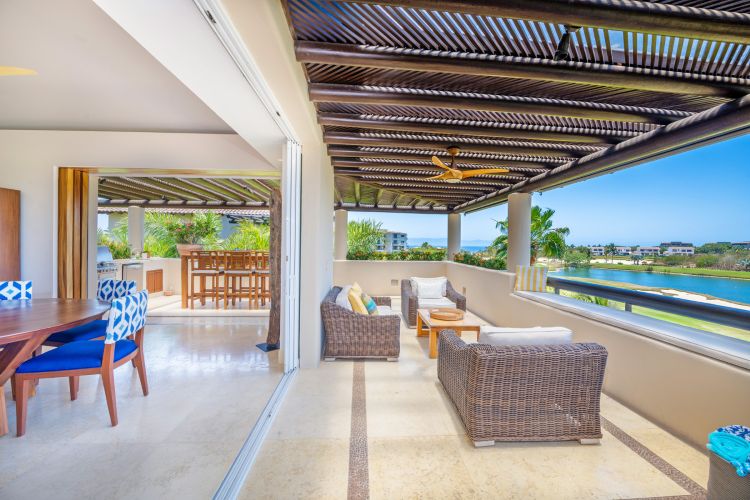
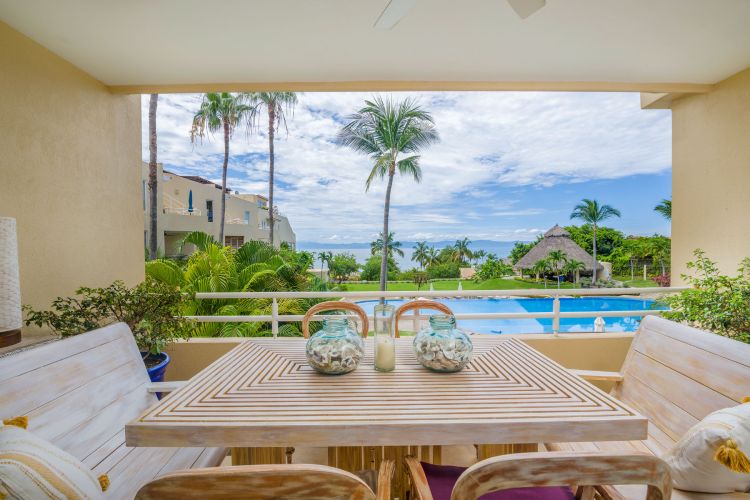
Enjoy this spacious and elegantly furnished condo in Hacienda de Mita, thoughtfully designed to appeal to upscale tastes. As the only beachfront condo complex within the secure, gated community of Punta Mita, it offers an unparalleled location with easy pedestrian access to town and private parking. Situated on the 3rd floor, this condo boasts spectacular pool and lush views of the golf course. The pristine landscaping and year-round colorful sunsets provide the perfect backdrop for an evening on the expansive patio enjoying an intimate meal or afternoon libations.

An exquisite oceanfront sanctuary set within the prestigious UAVI Beachfront Residences in Punta de Mita. Framed by more than two kilometers of pristine white-sand beach, this expansive property effortlessly unites ultimate privacy, sweeping ocean vistas, and resort-style amenities embedded in a master-planned natural haven.
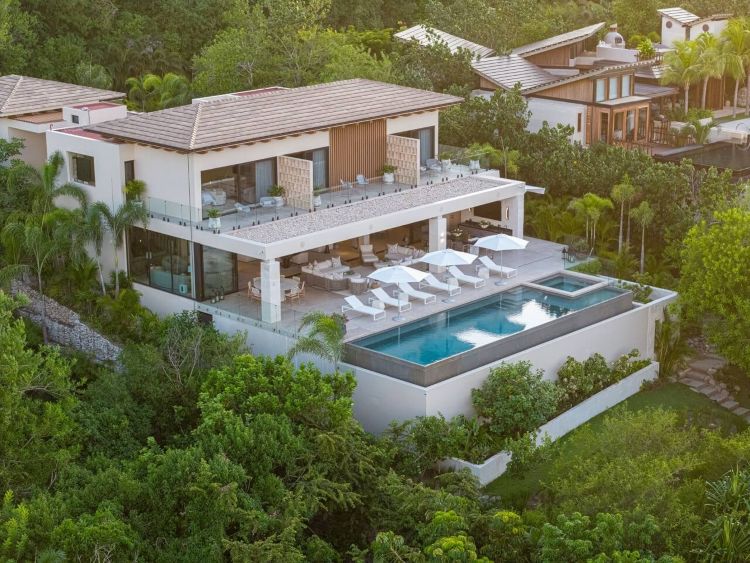
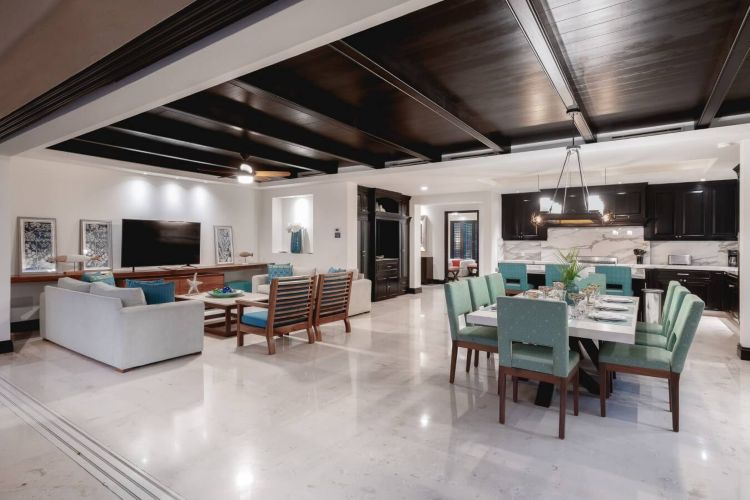
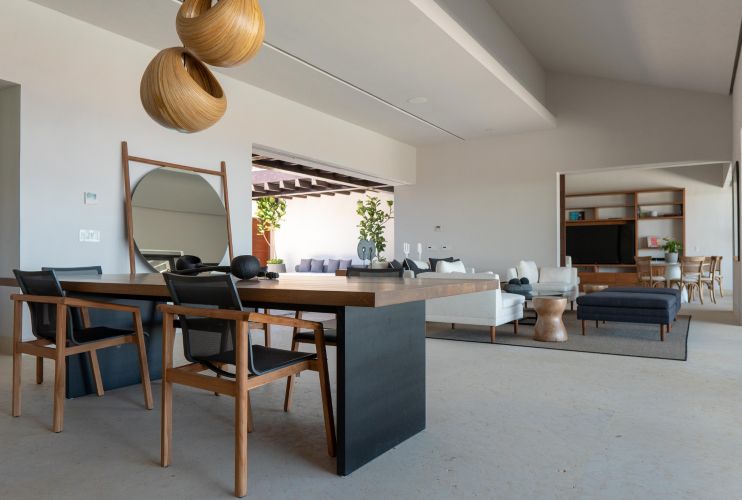
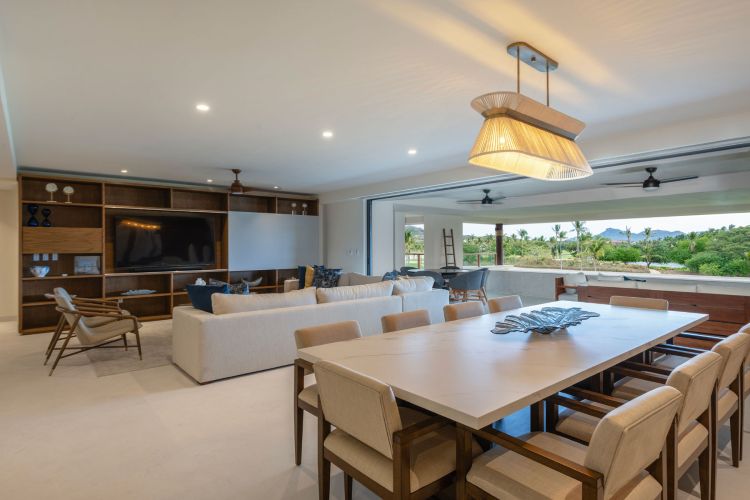
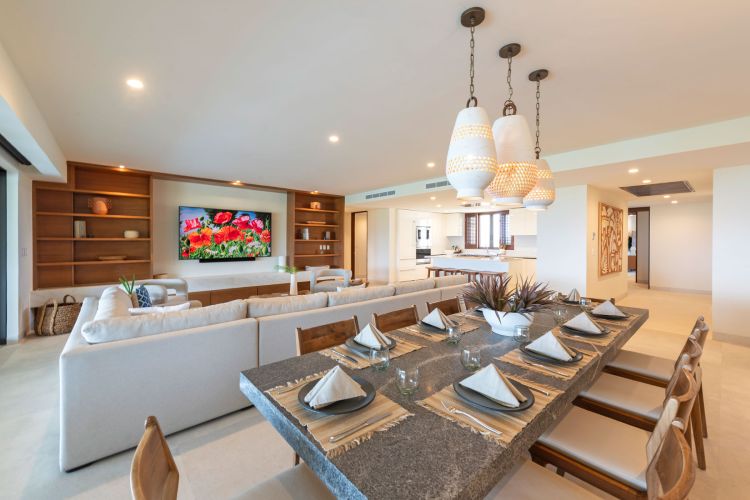
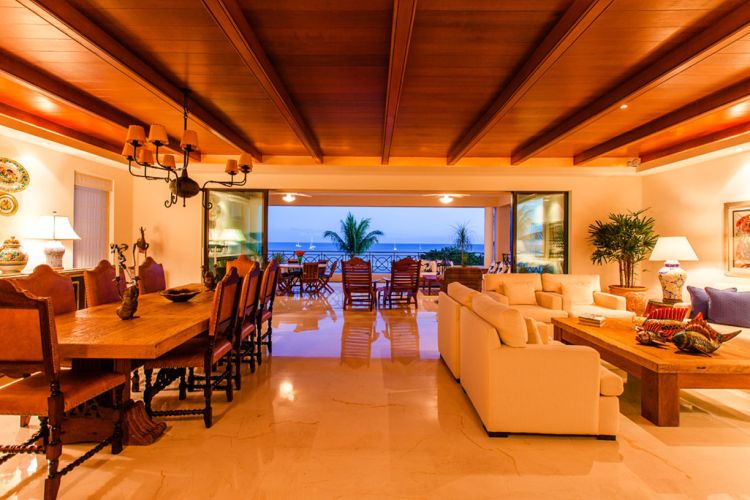
Casa Mare is a sophisticated private retreat designed for effortless indoor-outdoor living and unforgettable moments with family and friends. Featuring spacious, beautifully appointed interiors, floor-to-ceiling windows, and a seamless connection to the surrounding landscape, the home offers a refined yet inviting atmosphere. The open-concept living and dining areas create the perfect setting for gathering, while carefully curated artwork, contemporary furnishings, and natural textures add a distinctive sense of style. This residence is an ideal choice for families and groups seeking privacy, comfort, elevated design, and attentive service in Punta Mita.
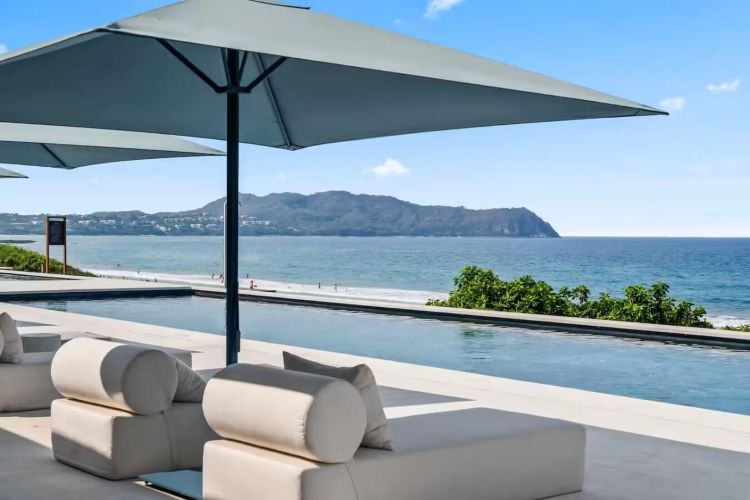
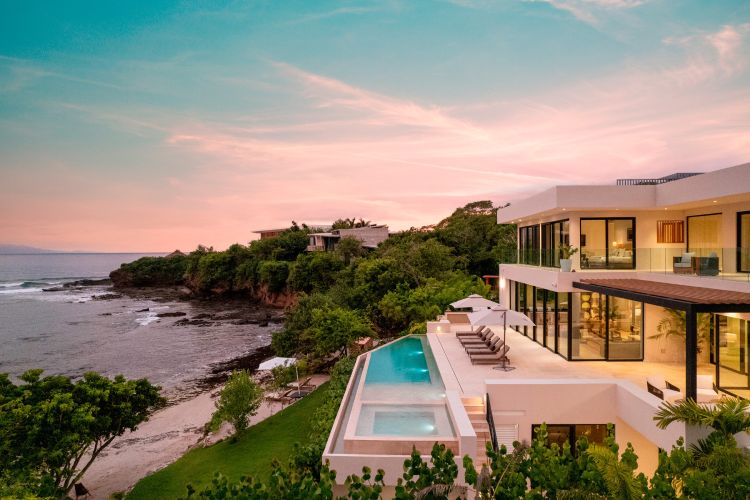
Exquisite oceanfront refuge nestled within the exclusive UAVI Beachfront Residences in Punta de Mita. Framed by over two kilometers of pristine white-sand beach, this expansive residence masterfully blends absolute privacy, panoramic ocean views, and world-class amenities within a thoughtfully planned natural landscape.
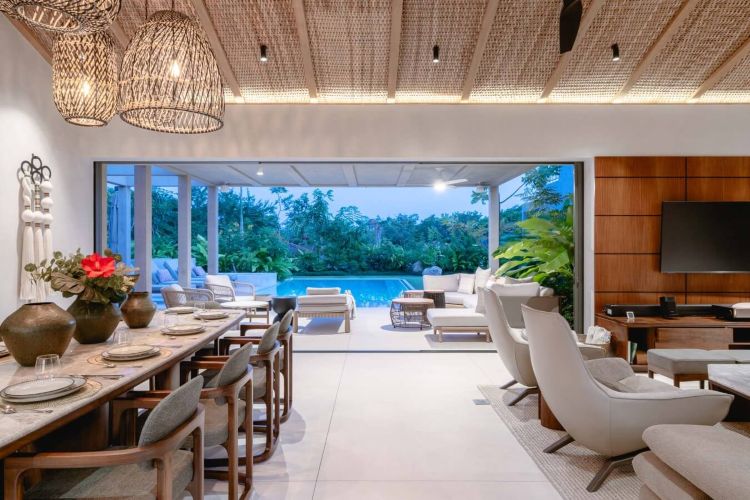
Villa Ceiba is an exclusive 4.5-bedroom residence located in the heart of Punta Mita, surrounded by lush tropical landscapes. This elegant retreat blends contemporary architecture with the tranquility of nature, making it ideal for families or groups seeking a refined yet relaxed luxury escape. Designed to seamlessly integrate indoor and outdoor living, the villa features sophisticated interiors, a private pool, expansive terrace for al fresco dining, a cozy firepit for evening gatherings, and beautifully landscaped gardens that invite relaxation. Guests enjoy Premier Golf Membership, granting access to Punta Mita’s renowned beach clubs, golf courses, and resort amenities. Daily housekeeping is also included for added comfort.
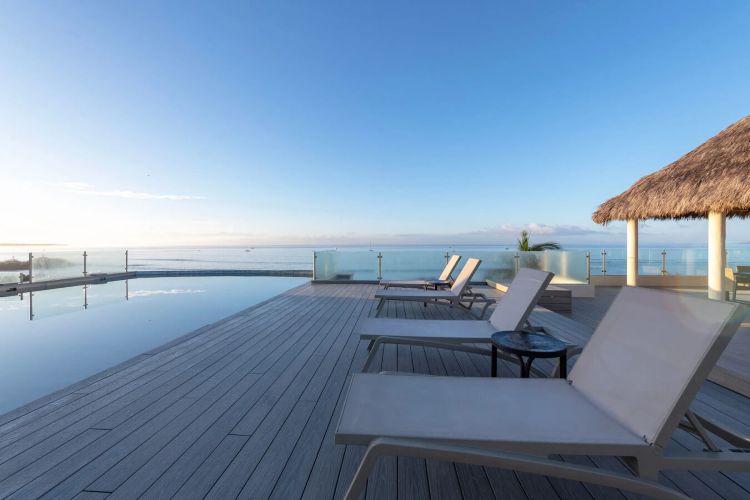
Condo Anclote is a newly renovated beachfront residence located in Condominios Punta de Mita, in the heart of Punta de Mita town. This elegant three-bedroom condo offers breathtaking ocean views, direct beach access, and a refined coastal ambiance—perfect for a tranquil yet stylish getaway. Ideally situated on Punta de Mita’s main street, guests can easily walk to top restaurants, cafés, and local shops.
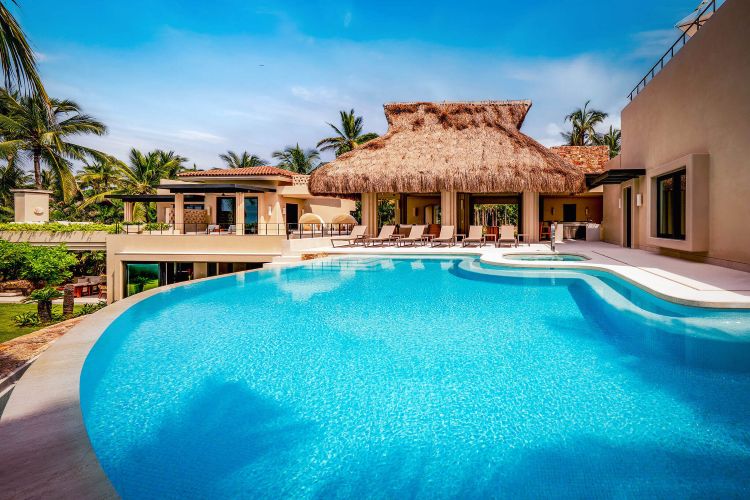
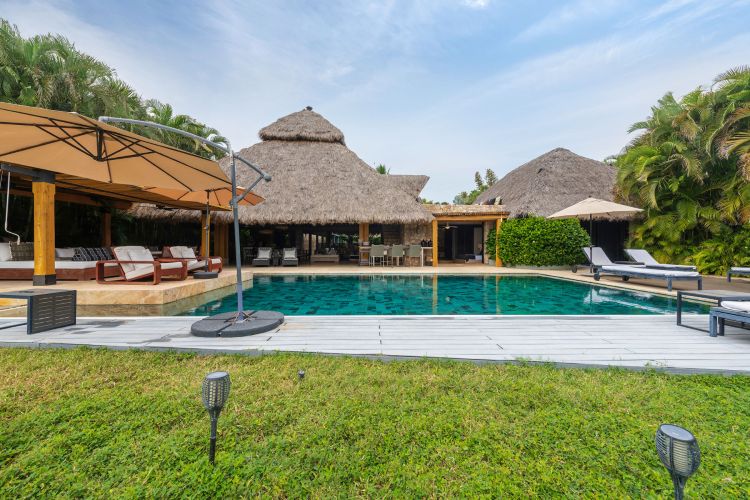
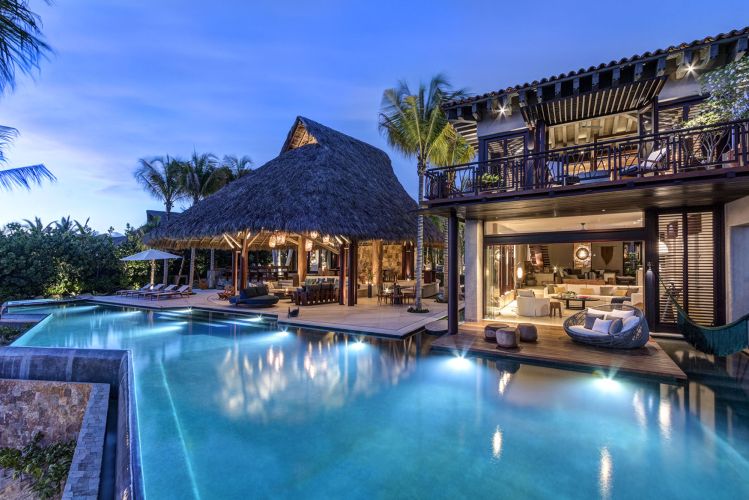
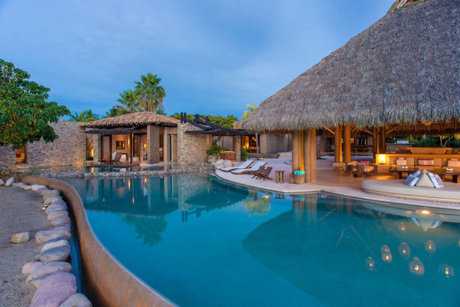
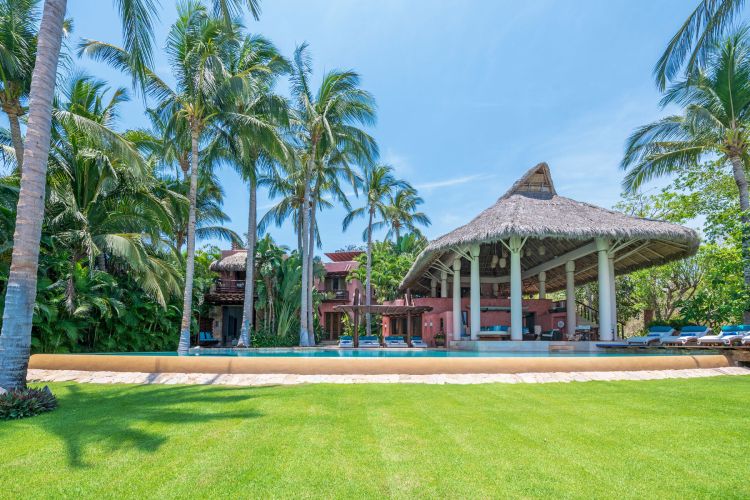
Enter Rancho 6 into the striking open- air palapa. This central social hub features a soaring thatched roof and sophisticated living area. Relax on plush sofas or gather at the bar for a margarita. Offering unobstructed ocean breezes, it seamlessly connects the entrance to the panoramic pool terraceand main guest suites. Unwind in this living sanctuary where glass walls disappear to reveal the Pacific sunsets, Sink into plush, cozy sofas to cool off in air-conditioned comfort or step directly onto the extended oceanfront lawn, This space offers the perfect balance of refined elegance and effortless indoor-outdoor living. Punta Mita is a 1,500-acre gated community located in the Pacific Ocean. It is widely known for its beautiful beaches and breathtaking views, which include the world-famous “Tail of the Whale” golf hole. The exclusive properties, inside the peninsula, are only 40 minutes North of Puerto Vallarta’s International Airport. This resort and residential community has quickly become a must-go destination for sophisticated travelers who seek to enjoy the natural beauty and world-class amenities of one of Mexico’s most luxurious travel destinations.
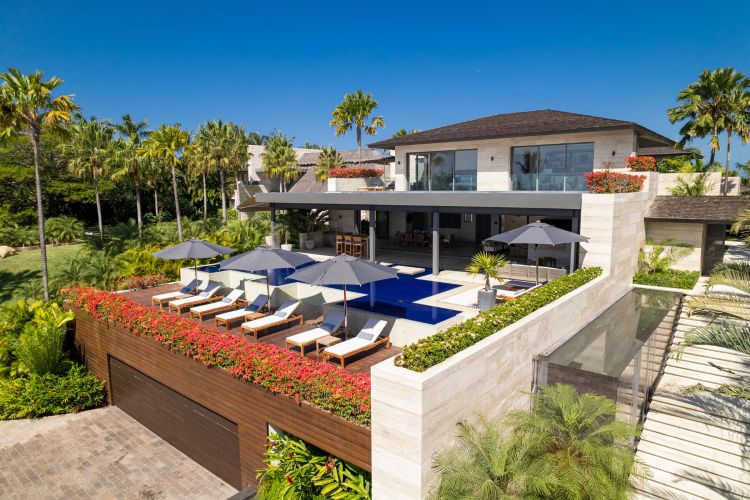
Casa Botti is a tropical sanctuary where contemporary architecture blends seamlessly with lush natural surroundings. Located within one of the most prestigious gated communities in Punta Mita, this extraordinary private residence offers an unparalleled luxury experience. Set on a 5,233 m² lot with 1,650 m² of construction, the villa features breathtaking views of the Pacific Ocean and Punta Mita’s world-class golf course. With 9 bedrooms, 14 beds, and 18 bathrooms, Casa Botti is ideal for large families or groups who love to gather and entertain, embodying privacy, elegance, and effortless sophistication.
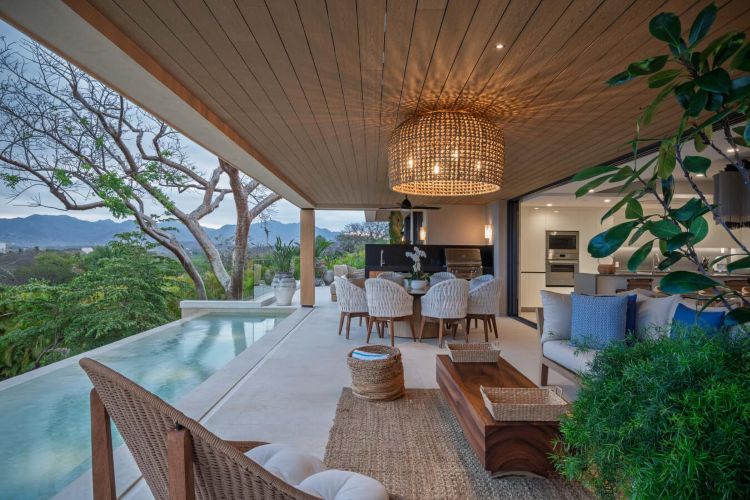
Villa Monarca offers an exclusive experience in Kupuri Beach Residences, Punta Mita. With breathtaking ocean views and just a short walk to Kupuri Beach Club, this villa is ideal for families or small groups seeking a refined and relaxing getaway. The property features a private ocean-view pool and elegant indoor-outdoor living spaces designed for comfort and connection.
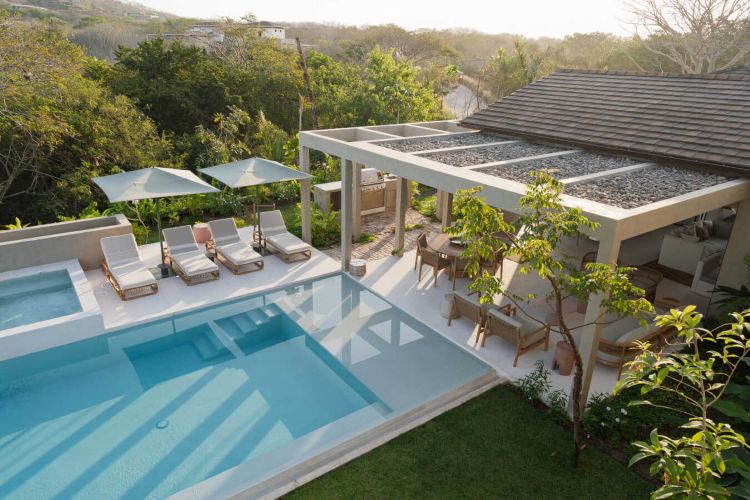
Villa Selva 33 is an exclusive 4.5-bedroom residence located in the heart of Punta Mita, surrounded by lush tropical landscapes. This elegant retreat blends contemporary architecture with the tranquility of nature, making it ideal for families or groups seeking a refined yet relaxed luxury escape.
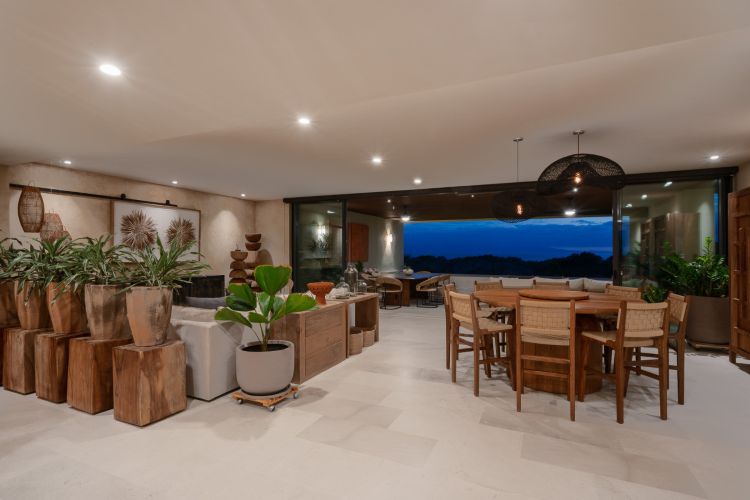
Spacious luxury residence in Surf Residences, Punta Mita, just 120 meters from the beach with ocean and mangrove views. This elegant condo features 4 bedrooms plus staff room, including a master suite with King bed, soaking tub, and double shower. Enjoy a private pool, large terrace with lounge seating, TV room, and fully equipped kitchen. Designed in a modern wabi-sabi style with warm tropical touches, perfect for families and groups seeking comfort and privacy.
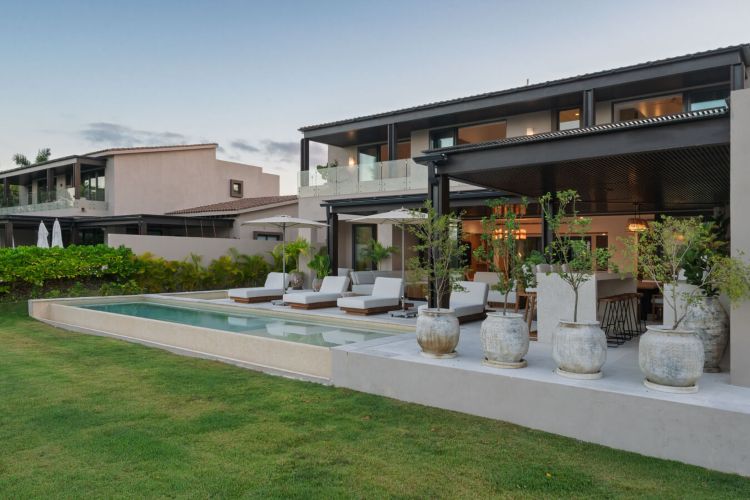
Villa Buena Vida is a luxury golf-view residence in the exclusive Porta Fortuna Golf Villas within Punta Mita. This private villa features 4 bedrooms—three with king beds and a bunk room with two queens and two twins—plus staff quarters.











.jpg)

Ready to Experience a Mita Residential Vacation? Browse Our Most Coveted Properties
From beachfront escapes to golf course havens, these exceptional residences consistently top our guests’ wish lists. Browse the accommodations our guests return to year after year.