Whale Watching in Los Cabos: Guide for Guaranteed Sightings
With over 20 years of experience Mita Residential manages & rents luxury estates, villas, and condos in the top beach destinations in Mexico: Punta Mita and Los Cabos, Mexico.
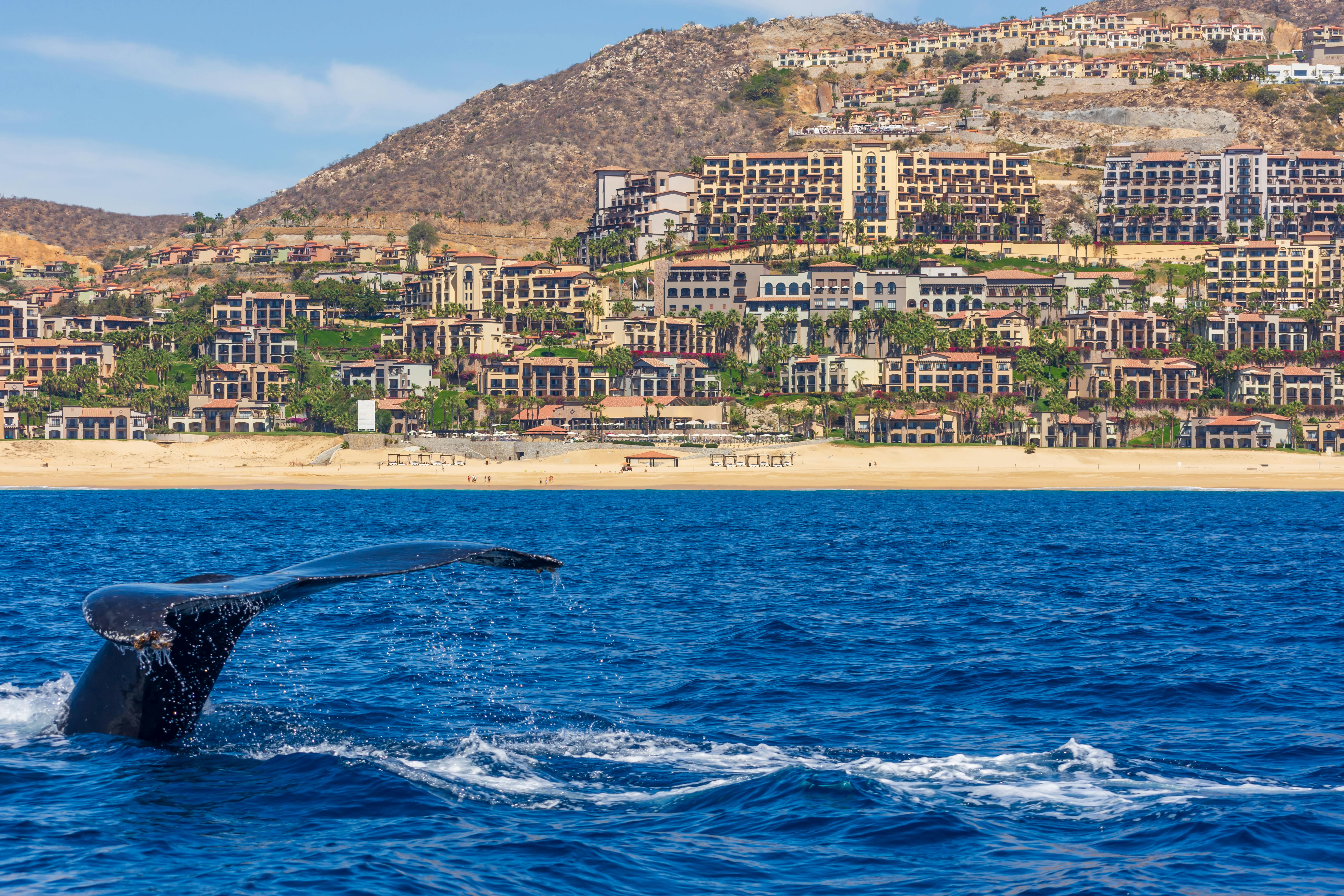
Every winter, thousands of humpback whales and gray whales migrate to the warm waters surrounding the Baja California Sur peninsula. Los Cabos sits at the confluence of the Pacific Ocean and Sea of Cortez, creating exceptional opportunities to witness these magnificent creatures breach, spout, and interact with their calves.
Whale watching in Cabo offers encounters that rank among the world's best marine wildlife experiences. The combination of reliable sightings, warm weather, calm seas, and professional operators makes this one of the most rewarding activities available in Los Cabos.
When Is Whale Watching Season in Los Cabos?
Whale watching season in Los Cabos runs from mid-December through mid-April. This timing coincides with the annual migration of whales from colder northern waters to the warm breeding and calving grounds of Baja California Sur.
Whales arrive in waves. Gray whales typically appear first, beginning their journey south from Arctic feeding grounds. Humpback whales follow, traveling from Alaska to breed and give birth in these protected waters.
Peak season generally falls January through March when whale populations reach their highest concentrations. While whale sightings are possible throughout the season, timing significantly affects the likelihood and quality of encounters.
What Types of Whales Can You See in Los Cabos?
Humpback Whales
Humpback whales are the stars of Cabo whale watching. These magnificent creatures grow up to 50 feet long and are known for their acrobatic behavior, including breaching, tail slapping, and spy-hopping.
Humpback whales migrate from Alaska and other northern feeding grounds to breed and give birth in the warm waters around Los Cabos. Their distinctive songs, which males use during mating season, create haunting underwater soundscapes. Some tours use hydrophone equipment allowing guests to hear these vocalizations in real time.
Encounters with mothers and calves prove particularly memorable. Watching a curious calf approach the boat while its protective mother keeps watch creates moments that stay with you forever.
Gray Whales
Gray whales undertake one of the longest migrations of any mammal, traveling from Arctic waters to the lagoons of Baja California Sur. While gray whales are most famous in lagoons like Magdalena Bay and San Ignacio, they can also be spotted in waters near Los Cabos during migration.
Their distinctive mottled gray coloring and friendly, curious nature make them favorites among whale watchers. Specialized multi-day tours to gray whale lagoons offer even more intimate encounters, where these gentle giants approach boats and sometimes allow gentle touch.
Other Marine Life
Whale-watching tours often yield sightings of other wildlife. Dolphins frequently accompany boats, racing alongside and leaping through the wake. Sea lions populate rocks near Land's End, barking at passing vessels.
Jacques Cousteau famously called the Sea of Cortez "the world's aquarium," and tours may encounter manta rays, sea turtles, and various seabirds. The rich marine life makes every excursion an adventure, even beyond whale sightings.
Best Time to See Whales in Los Cabos
Best Months for Whale Watching
January and February rank as the best months for whale watching in Los Cabos. Whale populations peak during this period, with both humpback whales and gray whales present in significant numbers. Active behavior, including breaching and tail slapping, occurs frequently.
March offers continued excellent sightings with slightly fewer crowds as peak season winds down. December and April bookend the season with good but less consistent sightings.
Best Time of Day for Whale Watching
Morning tours typically offer the best conditions. Calmer seas make for more comfortable boat rides and better viewing. Whales often display more active behavior in morning hours.
Afternoon tours can also prove successful, but may encounter choppier conditions as winds pick up. Sunset whale watching tours combine wildlife viewing with dramatic lighting over the Pacific.
Types of Whale Watching Tours in Los Cabos
Group Boat Tours
Standard group tours represent the most common and accessible option. These tours typically accommodate 15-30 passengers on comfortable vessels with experienced captains and guides.
Tours generally last 2-3 hours and depart from Cabo San Lucas marina. Reputable operators like Cabo Trek and Cabo Adventures include marine biologist guides or naturalists who provide educational commentary throughout the experience.
Zodiac and Small Boat Tours
Zodiac (inflatable boat) tours offer more adventurous, intimate experiences. These smaller vessels can maneuver closer to whale activity while maintaining safe, legal distances.
Small groups create more personalized experiences, and the lower profile of zodiac boats provides eye-level views of whales. These tours suit travelers seeking excitement and closer encounters. Age restrictions often apply to zodiac tours due to their more dynamic nature.
Private Whale Watching Tours
A private whale watching tour represents the premium option in Los Cabos. Private charters allow customized itineraries, flexible timing, and exclusive access to the boat for your group.
Private tours suit families with children, groups celebrating special occasions, or anyone seeking the most personalized whale watching experience. Amenities often include photography services, refreshments, and the ability to extend time if whale activity warrants. Whale Watch Cabo offers well-regarded private options.
Luxury Catamaran Tours
Catamaran whale watching combines wildlife viewing with comfort and amenities. Larger catamarans offer stability, shade, and often include food and beverages.
These tours suit travelers who want whale watching as part of a broader ocean experience. Some catamaran tours combine whale watching with snorkeling stops or visits to the famous Arch and Lovers Beach.
Multi-Day Gray Whale Adventures
Specialized tours to gray whale lagoons offer the most intimate whale encounters in Baja California Sur. Destinations like Magdalena Bay and San Ignacio Lagoon allow interactions where gray whales approach boats curiously.
These tours require travel from Los Cabos (typically by van) and overnight stays. For serious whale enthusiasts, these bucket-list experiences provide encounters unavailable anywhere else on Earth.
What to Expect on a Whale Watching Tour
Tour Duration and Departure
Most whale watching tours from Los Cabos last 2-3 hours. Tours typically depart from Cabo San Lucas marina in the morning, with check-in 30-45 minutes before departure.
The journey out to the whale-watching grounds often passes the famous Arch and Land's End, offering photo opportunities even before reaching whale territory. Captains communicate with other boats to locate whale activity, maximizing sighting chances.
What's Typically Included
Reputable tours include experienced guides or marine biologists, safety equipment, and often complimentary photos of your experience. Some tours include snacks and beverages, while others offer them for purchase.
Most quality operators offer whale sighting guarantees, providing credits or rebooking if no whales are seen. This guarantee reflects confidence in sighting rates during peak season.
What to Bring
Bring sun protection, including sunscreen, hat, and sunglasses. A light jacket helps with wind on the water, even on warm days. Motion sickness medication is advisable if you're prone to seasickness.
A camera captures memories, though many tours provide professional photos. Some tours provide binoculars, but bringing your own ensures availability. Wear comfortable, non-slip shoes and bring a waterproof bag for electronics.
Where to See Whales Near Los Cabos
Waters Near Cabo San Lucas
Waters immediately surrounding Cabo San Lucas and Land's End offer excellent whale watching without long boat rides. The convergence of the Pacific Ocean and Sea of Cortez creates nutrient-rich waters that attract whales throughout the season.
This represents the most accessible option for visitors with limited time, allowing meaningful whale encounters within a 2-3 hour tour.
Sea of Cortez
The Sea of Cortez offers calmer conditions and rich marine biodiversity. Humpback whales frequently feed and breed in these waters, and tours venturing into the Sea of Cortez may encounter different whale behaviors and additional marine life.
Gray Whale Lagoons
The lagoons of Baja California Sur, including Magdalena Bay, San Ignacio, and Ojo de Liebre, represent the premier destination for gray whale encounters. These protected waters serve as calving and nursing grounds where whales exhibit remarkably friendly behavior.
Reaching these lagoons requires day trips or multi-day excursions from Los Cabos, but the intimate encounters justify the additional travel for wildlife enthusiasts.
Responsible Whale Watching
Choosing Responsible Operators
Select operators who follow established whale watching guidelines. Responsible operators maintain safe distances from whales (typically 100 yards minimum), limit observation time to avoid stressing animals, and employ knowledgeable guides.
Operators with marine biologist staff typically prioritize animal welfare and education. Look for eco-friendly practices and commitment to conservation.
What Responsible Whale Watching Looks Like
Ethical tours approach whales slowly, never chasing or surrounding them. Operators cut engines when whales approach voluntarily and limit the number of boats around any single whale or pod.
The best encounters often happen when whales choose to approach boats on their own terms. Patient, respectful observation yields more meaningful experiences than aggressive pursuit.
Whale Watching vs. Other Destinations
Is Whale Watching Better in Cabo or Puerto Vallarta?
Both Los Cabos and Puerto Vallarta offer excellent humpback whale sightings during similar seasons. Los Cabos benefits from its position where two bodies of water meet, potentially increasing whale diversity and sighting opportunities.
Puerto Vallarta's Banderas Bay is known for intimate whale encounters in more protected waters. Both destinations provide world-class experiences, with choice often depending on other trip priorities.
Booking Your Whale Watching Experience
How Far in Advance to Book
Book whale watching tours at least several days to a week in advance during peak season (January-February). Popular operators and private tours fill quickly, especially around holidays.
Flexibility with dates increases options. Cancellation policies vary by operator, so review terms when booking. Most reputable operators offer reasonable cancellation windows.
What to Consider When Choosing a Tour
Consider group size preferences, tour duration, included amenities, guide expertise, and sighting guarantees. The cheapest option isn't always the best value if it compromises experience quality.
Prioritize operators with marine biology expertise and strong conservation practices. Reading recent reviews helps gauge current quality and sighting success.
Frequently Asked Questions
When is whale watching season in Los Cabos?
Whale watching season runs from mid-December through mid-April, with peak sightings typically January through March. Timing can vary slightly year to year based on migration patterns and ocean conditions.
What is the best month to see whales in Cabo San Lucas?
January and February are the best months for whale watching in Cabo San Lucas. Both humpback whales and gray whales are present in peak numbers, with frequent breaching and active behavior. March also offers excellent sightings with slightly fewer crowds.
Is whale watching in Cabo worth it?
Whale watching in Cabo is absolutely worth it and ranks among the most memorable experiences available in Los Cabos. Witnessing 40 to 50-foot humpback whales breach just yards from your boat creates unforgettable moments. The combination of warm weather, calm seas, high sighting rates during peak season, and professional tour operators makes Cabo one of the world's premier whale watching destinations.
Is there whale watching in Cabo?
Los Cabos offers exceptional whale watching from mid-December through mid-April. Multiple tour operators provide daily excursions departing from Cabo San Lucas marina. The region's position, where the Pacific Ocean meets the Sea of Cortez, creates ideal conditions, with humpback whales, gray whales, and other marine life regularly spotted during the season.
Can you guarantee whale sightings on tours?
Reputable operators offer whale-sighting guarantees, typically providing a credit or a free rebooking if no whales are seen. During peak season, sightings are highly likely but never absolutely guaranteed with wild animals. Choosing quality operators during optimal months maximizes your chances.
What types of whales are commonly spotted in Los Cabos?
Humpback whales are the most commonly spotted species, known for breaching and acrobatic behavior. Gray whales are visible during their migration, particularly in lagoons. Orca, blue whales, and other species are occasionally spotted but less common.
Is whale watching better in Cabo or Puerto Vallarta?
Both destinations offer excellent whale watching with similar seasons and species. Los Cabos benefits from the convergence of the Pacific and Sea of Cortez, while Puerto Vallarta's Banderas Bay offers intimate viewing in protected waters. Both provide world-class experiences, with destination choice depending on overall trip plans.
What month are whale sharks in Cabo?
Whale shark season near Los Cabos runs from October through April, with peak encounters typically November through February. Whale shark experiences require day trips to La Paz, about 2 hours from Los Cabos, where these gentle giants congregate to feed. Swimming with whale sharks makes an excellent complement to whale watching during overlapping months.
Experience Whale Watching from Los Cabos
Whale watching ranks among Los Cabos' most unforgettable experiences. Witnessing these magnificent creatures in their natural habitat creates memories that last a lifetime.
The combination of warm weather, spectacular marine life, and world-class tours makes Los Cabos a premier whale-watching destination. Whether you choose a group tour, zodiac adventure, or private charter, the experience of seeing humpback whales breach against the Baja California Sur coastline stays with you long after you've returned home.
Planning a Los Cabos Whale Watching Trip?
Timing whale watching for optimal conditions, choosing the right operator, and coordinating tours with your vacation schedule requires research most travelers don't have time for.
Mita Residential guests in Los Cabos skip all of that. A dedicated concierge arranges whale watching excursions with trusted operators, timing tours for calm seas and peak whale activity. They know which operators employ marine biologists, which boats offer the most comfortable ride, and which days promise the best conditions.
No comparing dozens of tour options. No wondering if you booked a quality operator. Just exceptional whale encounters arranged seamlessly as part of your stay.
Contact Mita Residential to explore our collection of distinguished villas in Los Cabos and discover how our concierge team creates unforgettable whale watching experiences.

Explore our properties
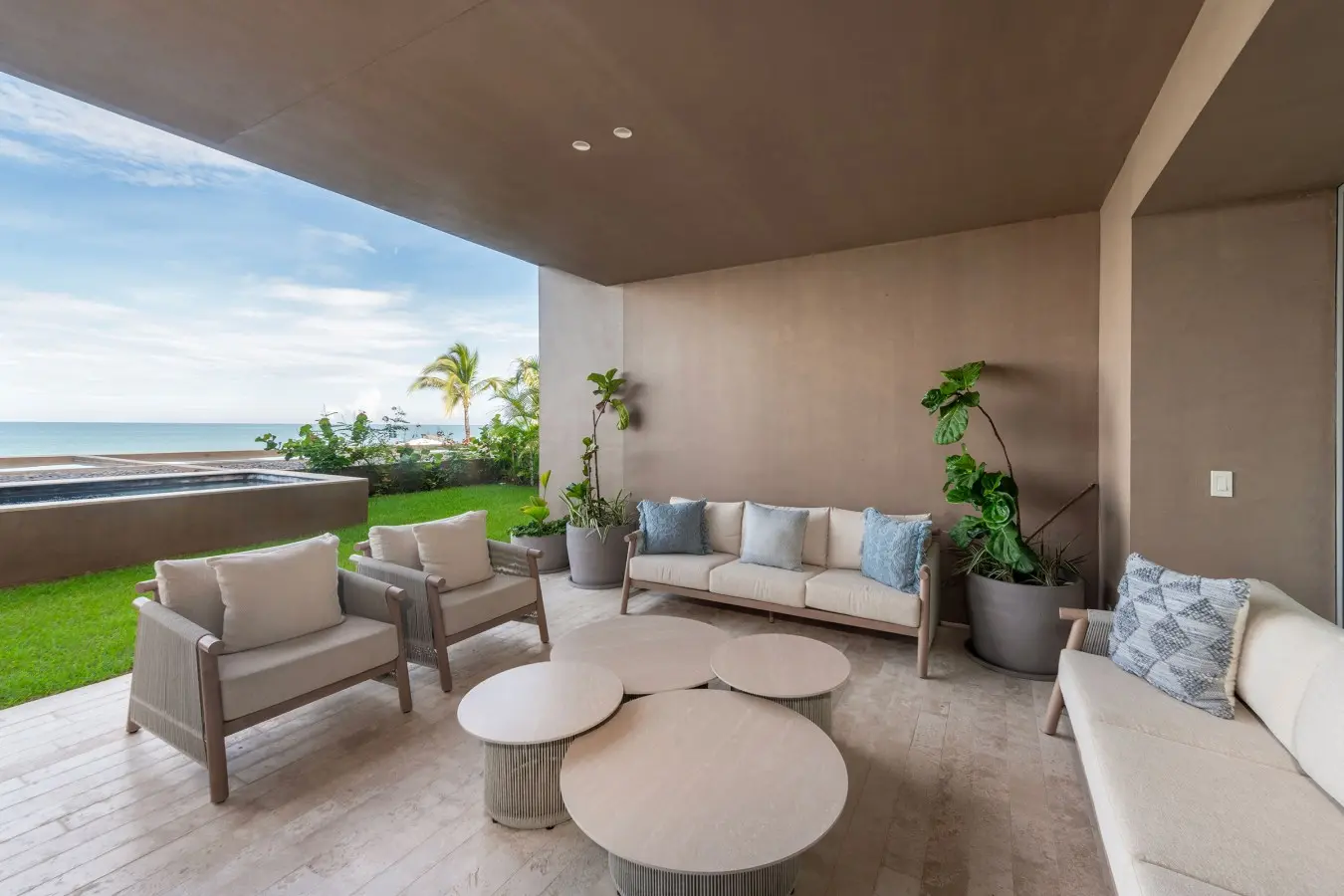


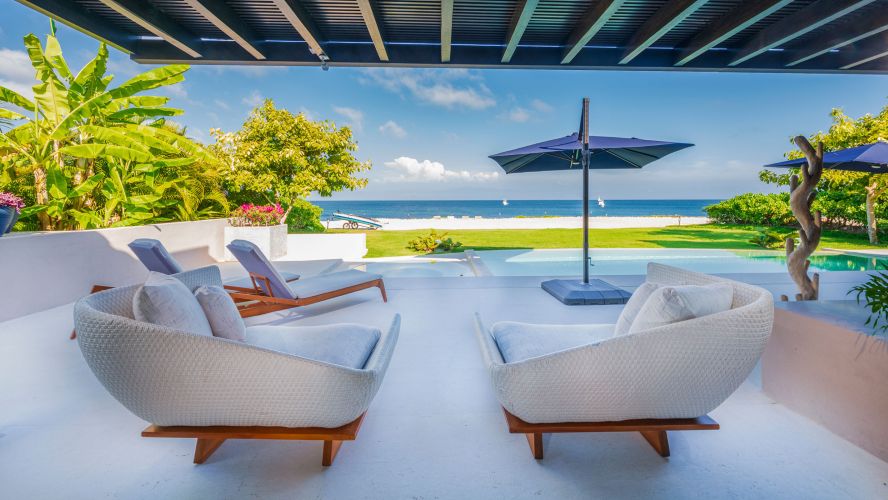
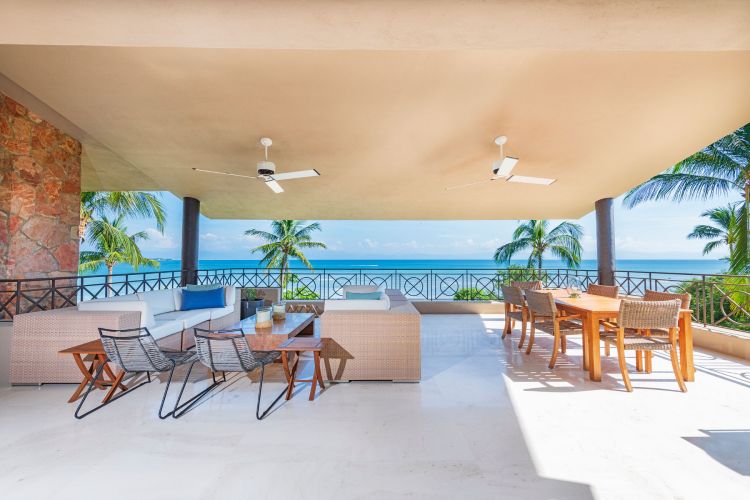
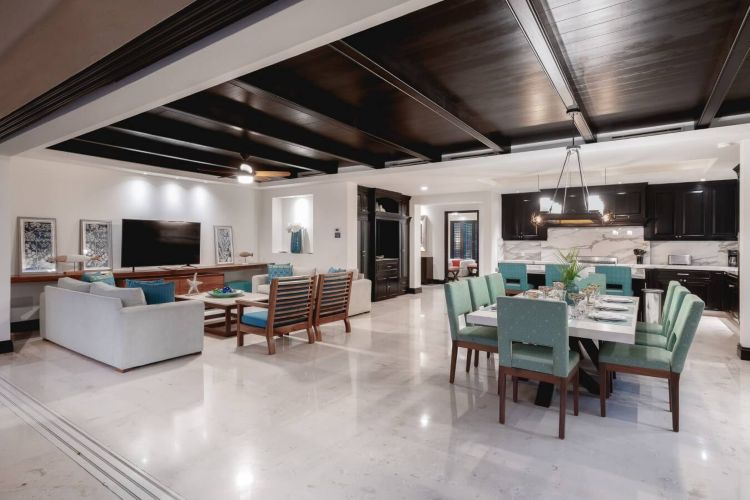
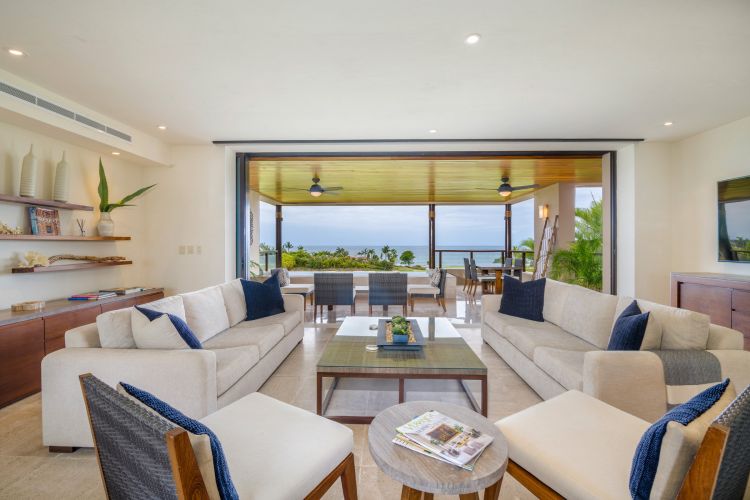
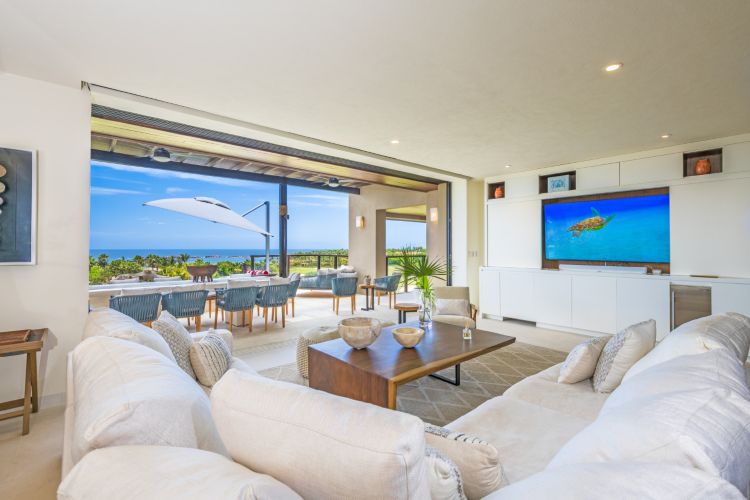
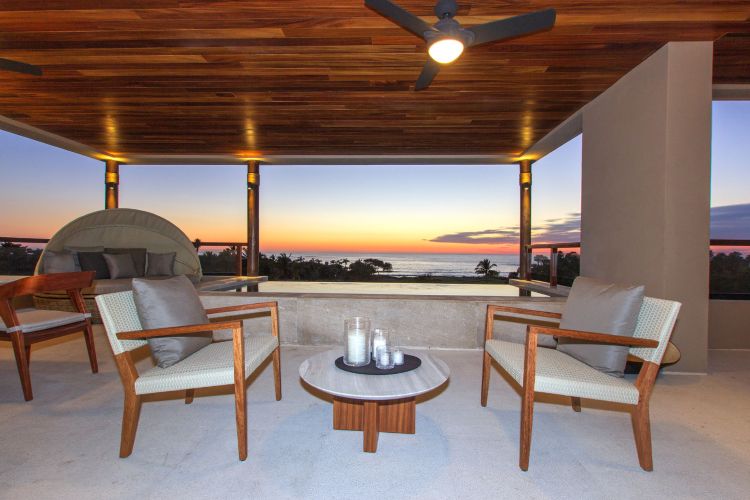
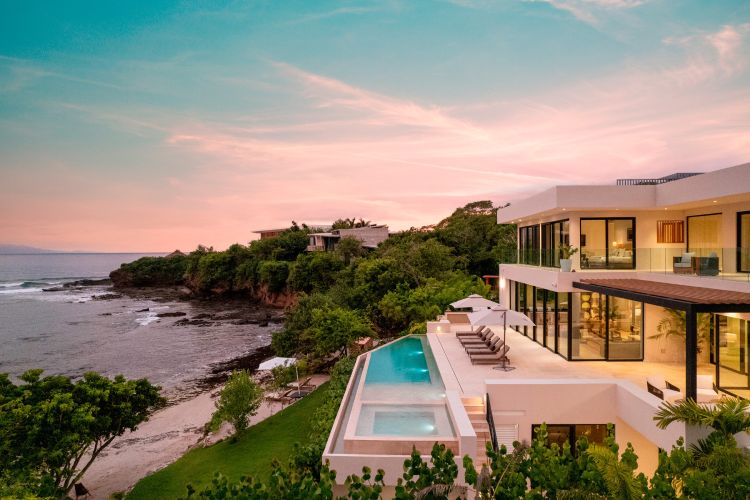
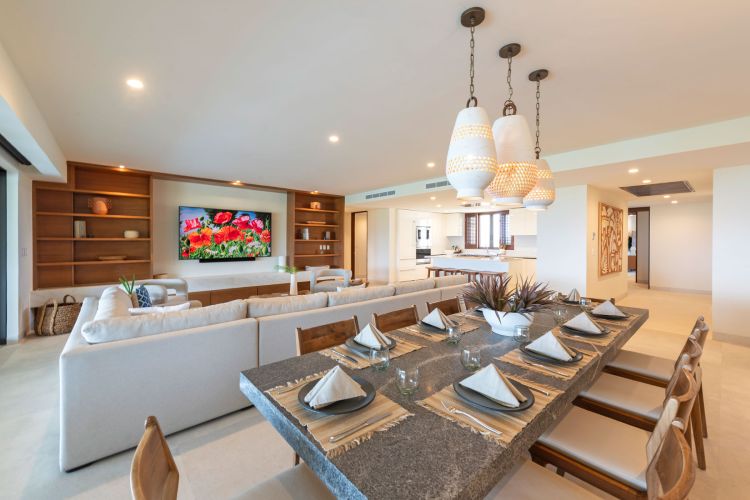
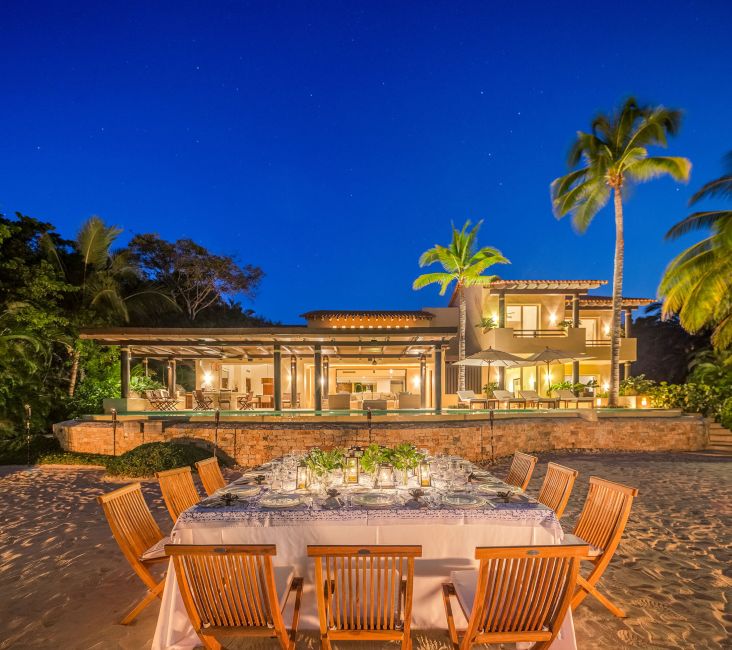
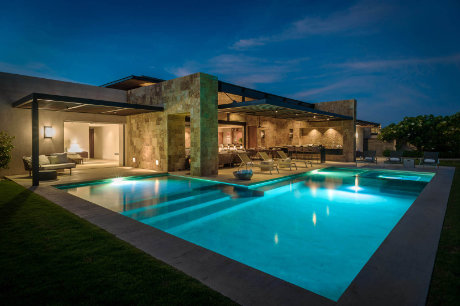
UAVI Beachfront Residences Exquisite oceanfront refuge nestled within the exclusive UAVI Beachfront Residences in Litibú. Framed by over two kilometers of pristine white-sand beach, this expansive residence masterfully blends absolute privacy, panoramic ocean views, and world-class amenities within a thoughtfully planned natural landscape. Experience the epitome of relaxed coastal luxury. Pent Garden Azul Pacífico is architecturally designed to maximize natural light and capture the mesmerizing hues of the Pacific Ocean from almost every angle. -Seamless Living & Dining: The fully equipped, open-concept gourmet kitchen (complete with a stove, oven, refrigerator, freezer, and dishwasher) flows effortlessly into the spacious indoor living and dining areas. It creates an inviting, connected environment perfect for sharing special moments, whether you are preparing a catch-of-the-day feast or unwinding after a sun-drenched day on the beach.
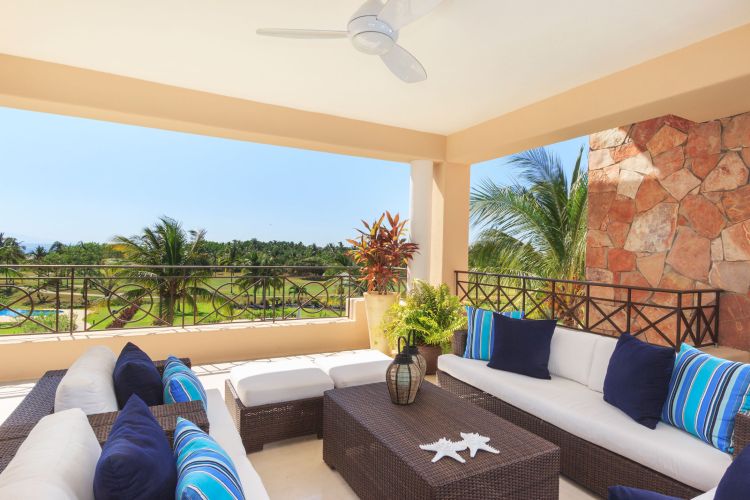
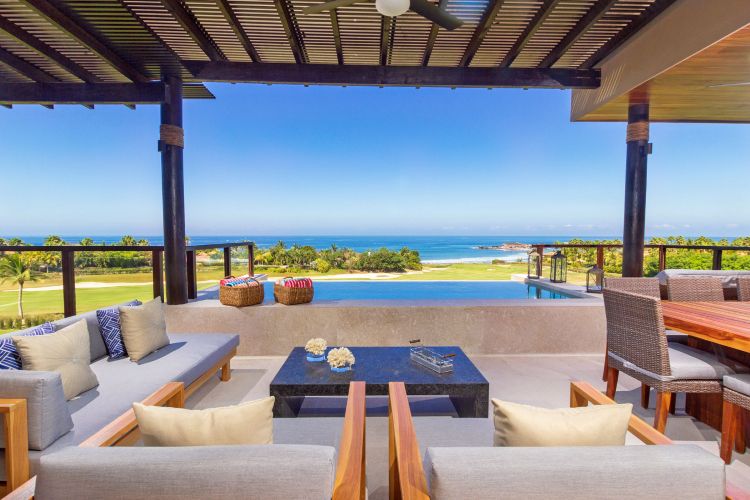
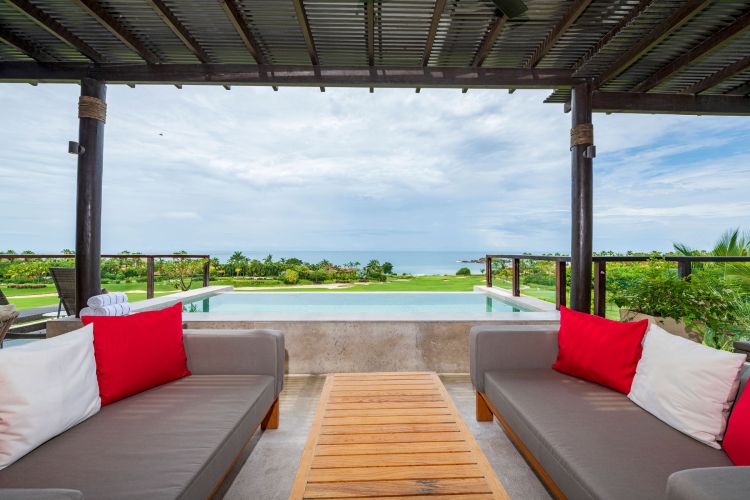
Nestled in the exclusive Las Marietas community within the prestigious Punta Mita development, Condo Paraíso is a ground-floor luxury sanctuary designed to comfortably accommodate up to 8 guests. Situated just 200 meters from the beach, this residence seamlessly blends privacy, contemporary design, and panoramic views showcasing green golf fairways and the blue Pacific Ocean.
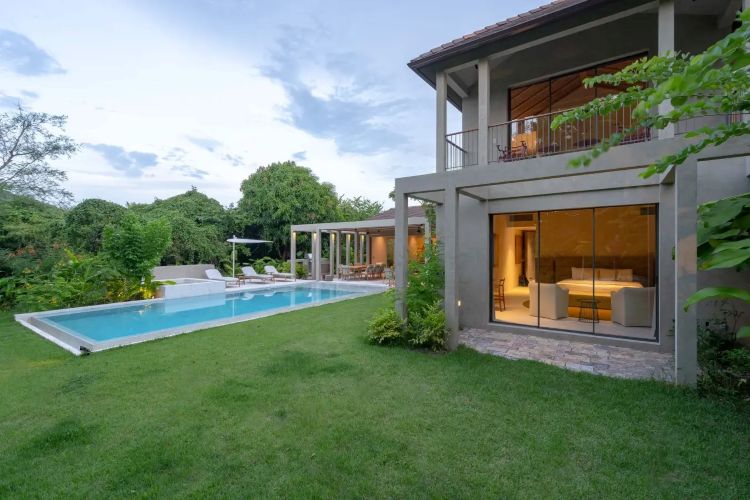
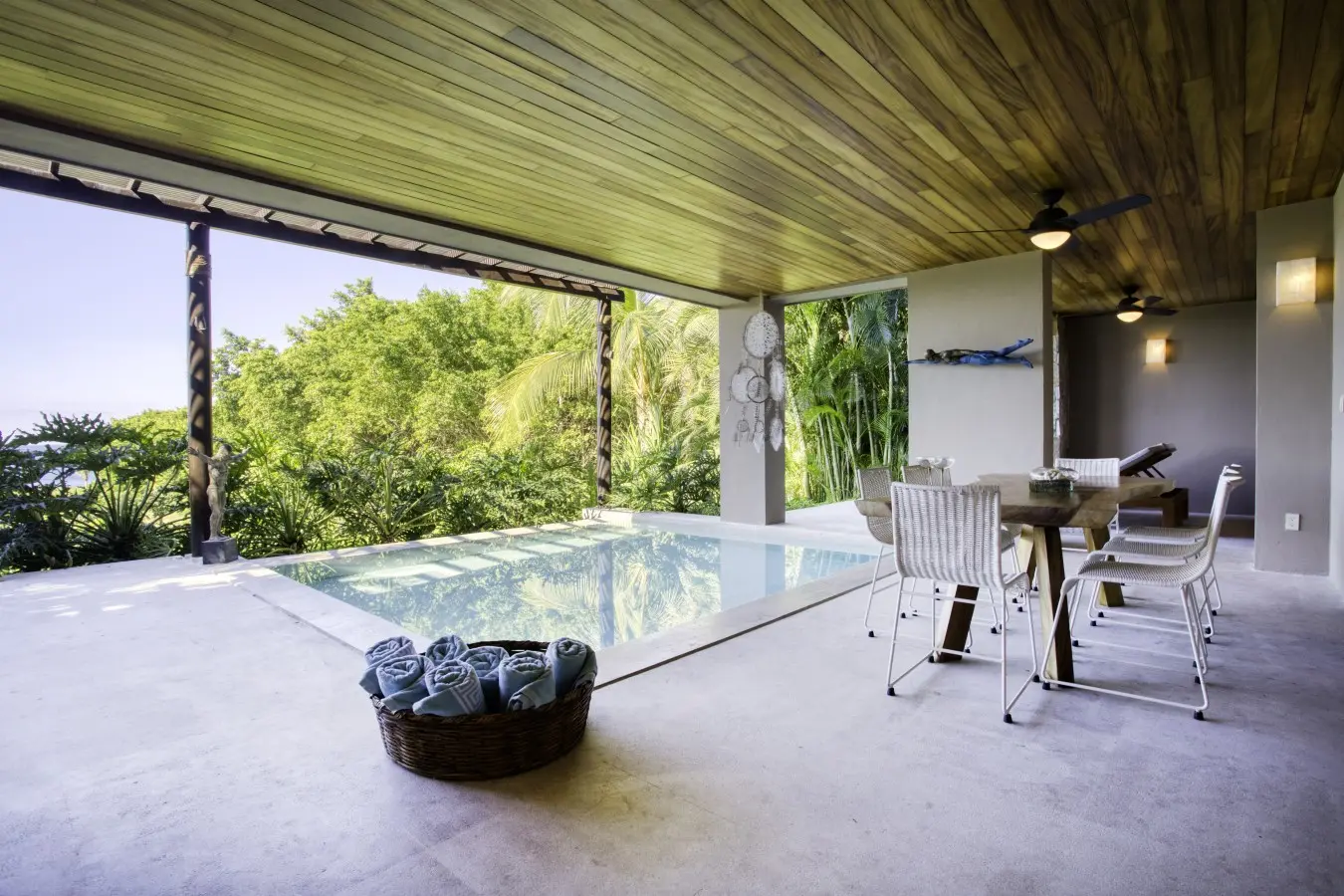
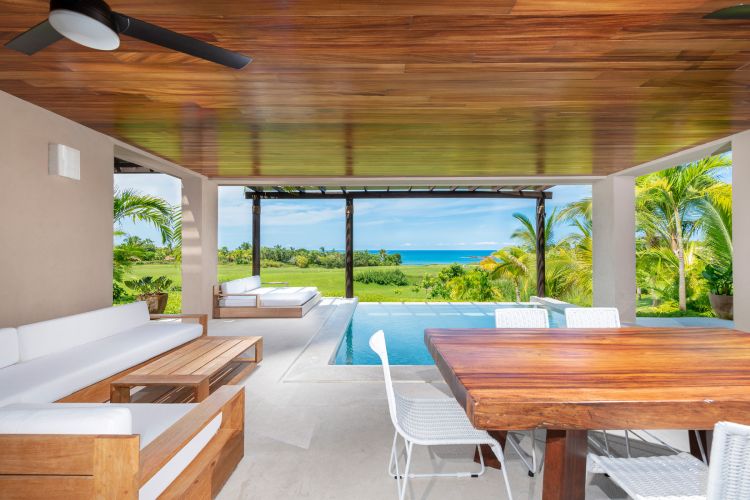
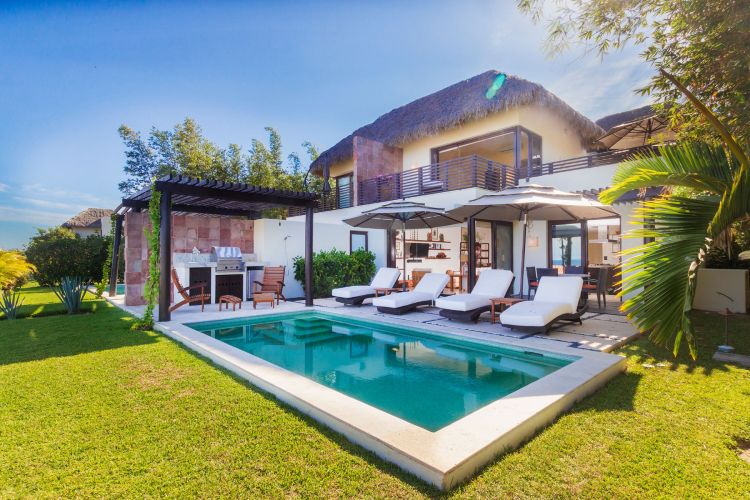
Villa Armonía is an exclusive 4.5-bedroom residence located in the heart of Punta Mita, surrounded by lush tropical landscapes. This elegant retreat blends modern Mexican beach-style architecture with the tranquility of the jungle, making it ideal for families or groups seeking a refined yet relaxed luxury escape. Designed to seamlessly integrate indoor and outdoor living, the villa features sophisticated interiors, a private pool, an expansive main terrace with an outdoor living area, a cozy firepit for evening gatherings, and beautifully landscaped gardens that invite relaxation. Guests enjoy Premier Golf Membership, granting access to Punta Mita’s renowned beach clubs, golf courses, and resort amenities. Daily housekeeping is also included for added comfort. *Please note that Punta Mita Resort applies a mandatory access fee for its amenities, including beach clubs, golf, tennis, pickleball, and fitness center: $50 USD per adult (13+) and $30 USD per child (5–12). This fee will be added to your booking, along with a 15% service charge and 16% VAT. *A refundable security deposit will be requested. Alternatively, guests may opt to purchase damage protection insurance in lieu of the security deposit.
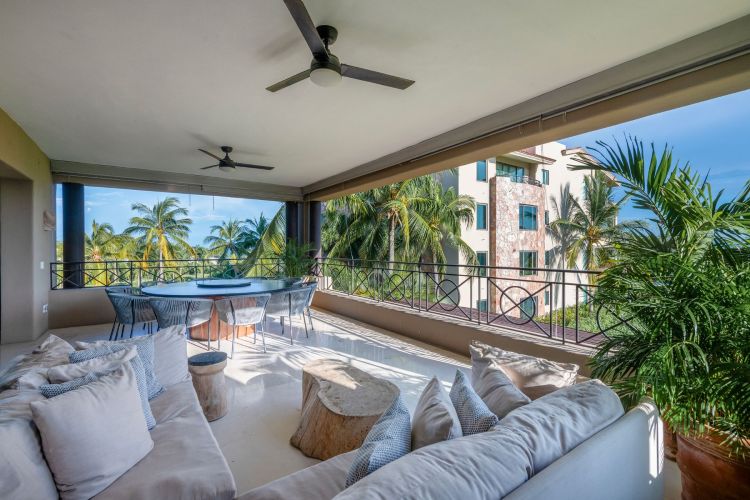
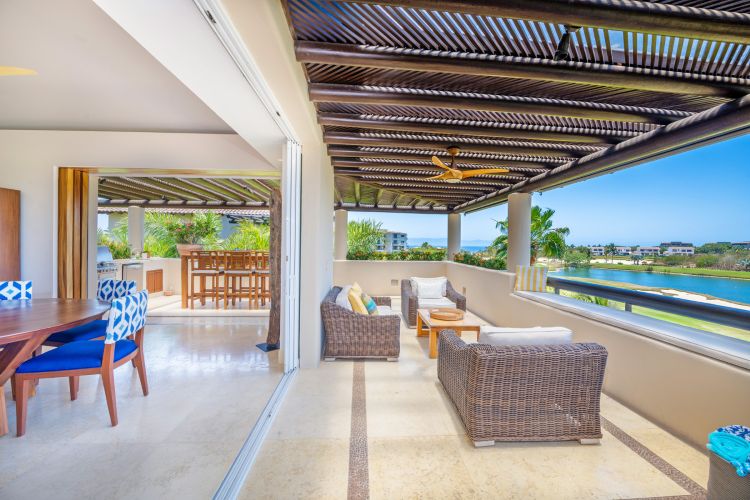
Enjoy this spacious and elegantly furnished condo in Hacienda de Mita, thoughtfully designed to appeal to upscale tastes. As the only beachfront condo complex within the secure, gated community of Punta Mita, it offers an unparalleled location with easy pedestrian access to town and private parking. Situated on the 3rd floor, this condo boasts spectacular pool and lush views of the golf course. The pristine landscaping and year-round colorful sunsets provide the perfect backdrop for an evening on the expansive patio enjoying an intimate meal or afternoon libations.

An exquisite oceanfront sanctuary set within the prestigious UAVI Beachfront Residences in Punta de Mita. Framed by more than two kilometers of pristine white-sand beach, this expansive property effortlessly unites ultimate privacy, sweeping ocean vistas, and resort-style amenities embedded in a master-planned natural haven.
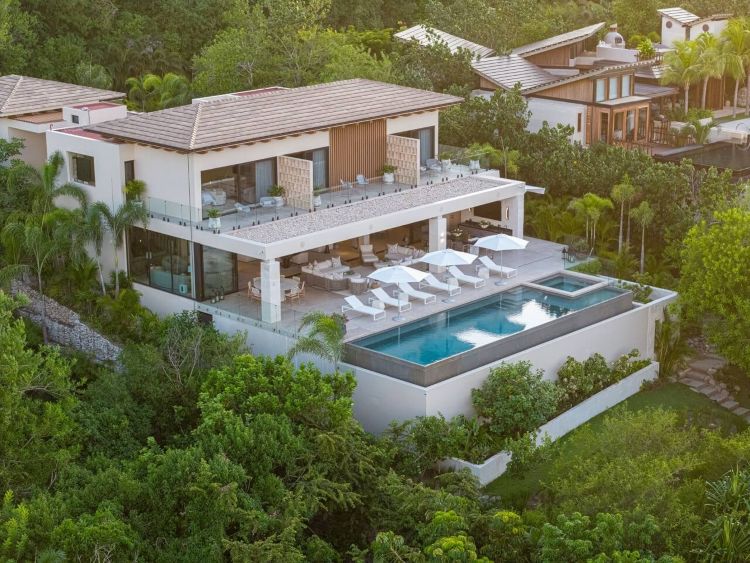
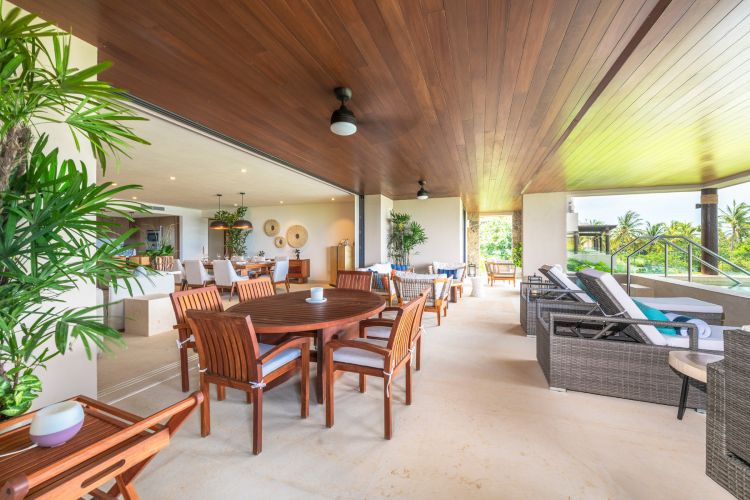
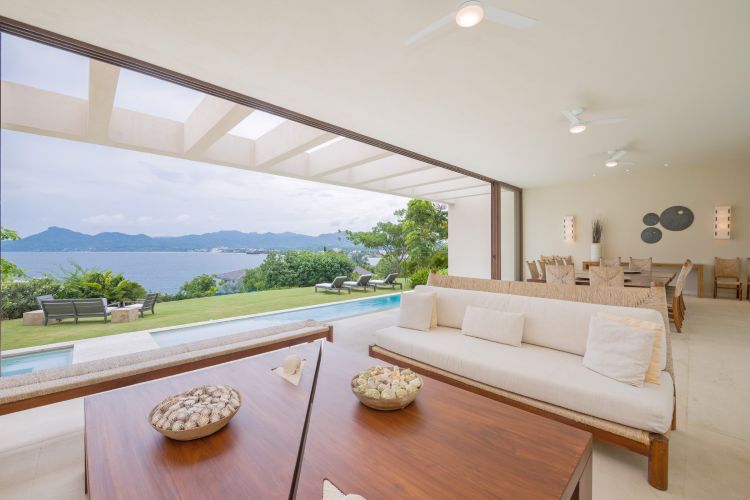
Casa Mare is a sophisticated private retreat designed for effortless indoor-outdoor living and unforgettable moments with family and friends. Featuring spacious, beautifully appointed interiors, floor-to-ceiling windows, and a seamless connection to the surrounding landscape, the home offers a refined yet inviting atmosphere. The open-concept living and dining areas create the perfect setting for gathering, while carefully curated artwork, contemporary furnishings, and natural textures add a distinctive sense of style. This residence is an ideal choice for families and groups seeking privacy, comfort, elevated design, and attentive service in Punta Mita.
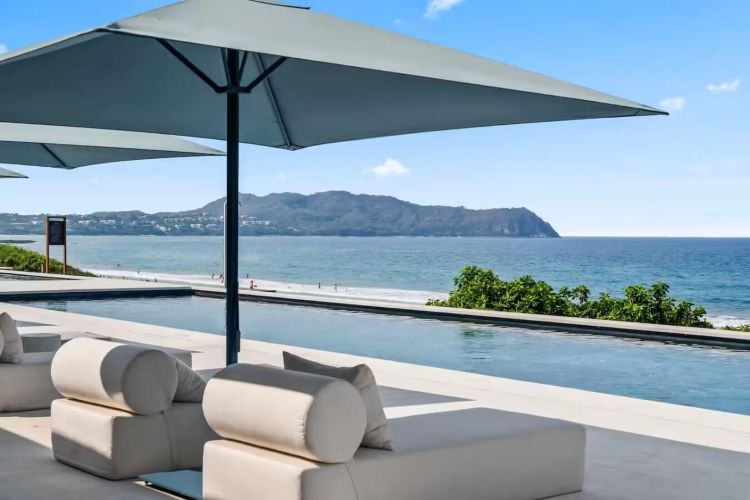
Exquisite oceanfront refuge nestled within the exclusive UAVI Beachfront Residences in Punta de Mita. Framed by over two kilometers of pristine white-sand beach, this expansive residence masterfully blends absolute privacy, panoramic ocean views, and world-class amenities within a thoughtfully planned natural landscape.
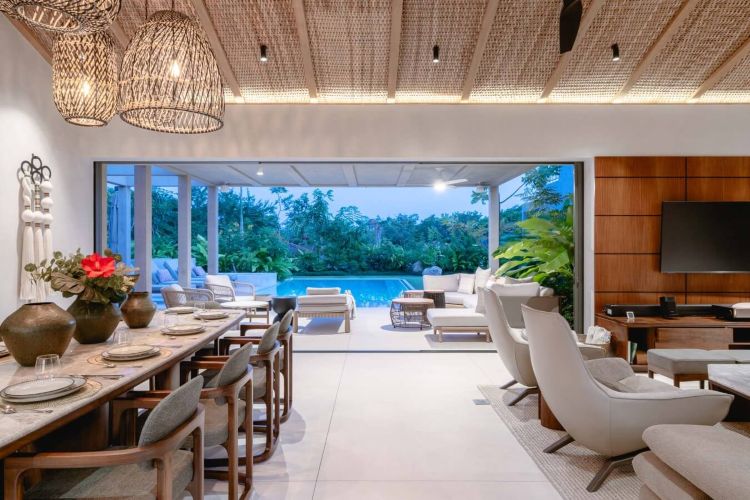
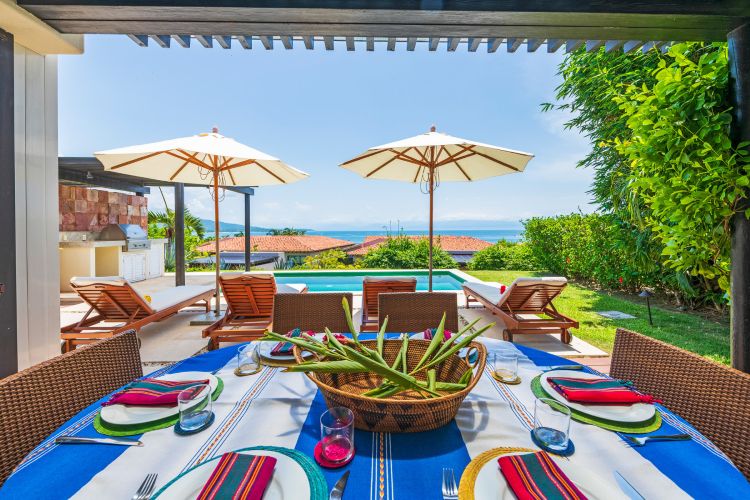
Villa Ceiba is an exclusive 4.5-bedroom residence located in the heart of Punta Mita, surrounded by lush tropical landscapes. This elegant retreat blends contemporary architecture with the tranquility of nature, making it ideal for families or groups seeking a refined yet relaxed luxury escape. Designed to seamlessly integrate indoor and outdoor living, the villa features sophisticated interiors, a private pool, expansive terrace for al fresco dining, a cozy firepit for evening gatherings, and beautifully landscaped gardens that invite relaxation. Guests enjoy Premier Golf Membership, granting access to Punta Mita’s renowned beach clubs, golf courses, and resort amenities. Daily housekeeping is also included for added comfort.
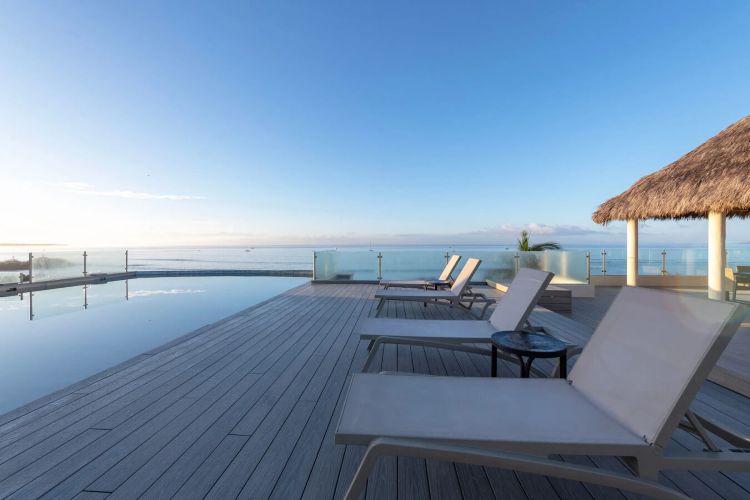
Condo Anclote is a newly renovated beachfront residence located in Condominios Punta de Mita, in the heart of Punta de Mita town. This elegant three-bedroom condo offers breathtaking ocean views, direct beach access, and a refined coastal ambiance—perfect for a tranquil yet stylish getaway. Ideally situated on Punta de Mita’s main street, guests can easily walk to top restaurants, cafés, and local shops.
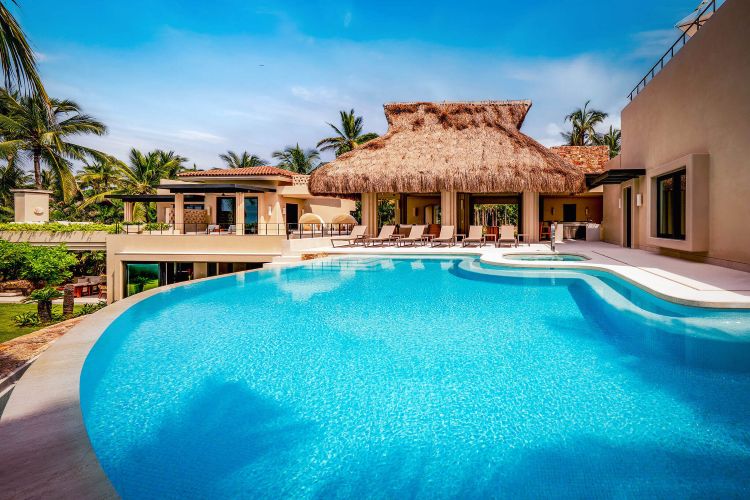
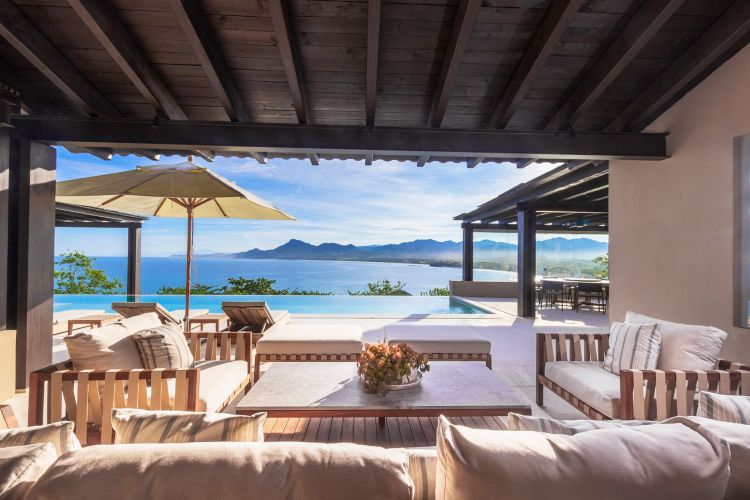
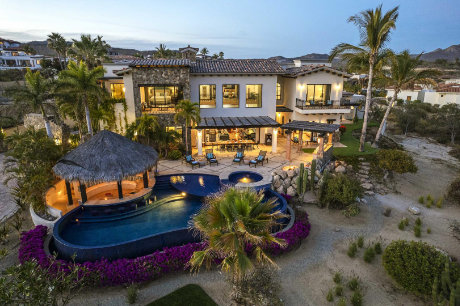
Enter Rancho 6 into the striking open- air palapa. This central social hub features a soaring thatched roof and sophisticated living area. Relax on plush sofas or gather at the bar for a margarita. Offering unobstructed ocean breezes, it seamlessly connects the entrance to the panoramic pool terraceand main guest suites. Unwind in this living sanctuary where glass walls disappear to reveal the Pacific sunsets, Sink into plush, cozy sofas to cool off in air-conditioned comfort or step directly onto the extended oceanfront lawn, This space offers the perfect balance of refined elegance and effortless indoor-outdoor living. Punta Mita is a 1,500-acre gated community located in the Pacific Ocean. It is widely known for its beautiful beaches and breathtaking views, which include the world-famous “Tail of the Whale” golf hole. The exclusive properties, inside the peninsula, are only 40 minutes North of Puerto Vallarta’s International Airport. This resort and residential community has quickly become a must-go destination for sophisticated travelers who seek to enjoy the natural beauty and world-class amenities of one of Mexico’s most luxurious travel destinations.
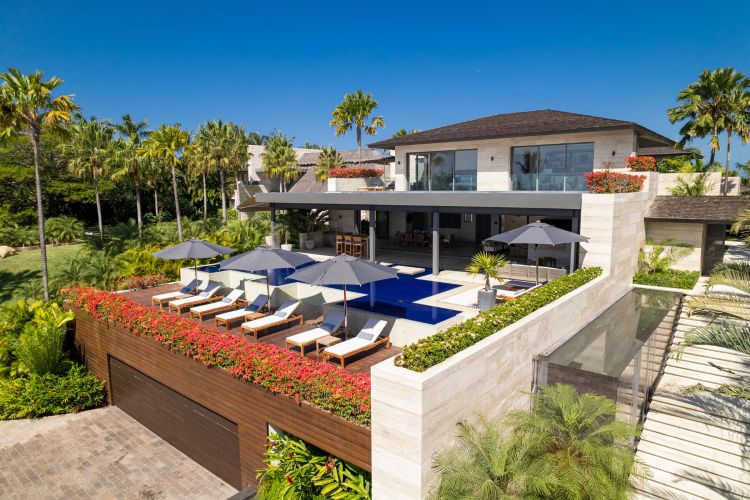
Casa Botti is a tropical sanctuary where contemporary architecture blends seamlessly with lush natural surroundings. Located within one of the most prestigious gated communities in Punta Mita, this extraordinary private residence offers an unparalleled luxury experience. Set on a 5,233 m² lot with 1,650 m² of construction, the villa features breathtaking views of the Pacific Ocean and Punta Mita’s world-class golf course. With 9 bedrooms, 14 beds, and 18 bathrooms, Casa Botti is ideal for large families or groups who love to gather and entertain, embodying privacy, elegance, and effortless sophistication.
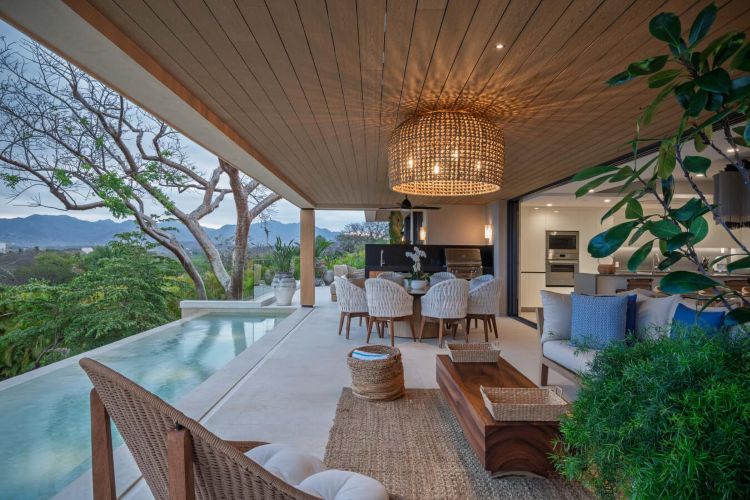
Villa Monarca offers an exclusive experience in Kupuri Beach Residences, Punta Mita. With breathtaking ocean views and just a short walk to Kupuri Beach Club, this villa is ideal for families or small groups seeking a refined and relaxing getaway. The property features a private ocean-view pool and elegant indoor-outdoor living spaces designed for comfort and connection.
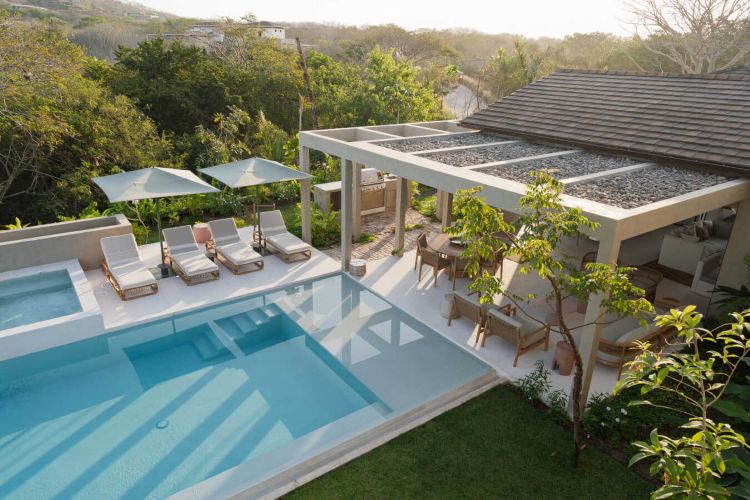
Villa Selva 33 is an exclusive 4.5-bedroom residence located in the heart of Punta Mita, surrounded by lush tropical landscapes. This elegant retreat blends contemporary architecture with the tranquility of nature, making it ideal for families or groups seeking a refined yet relaxed luxury escape.
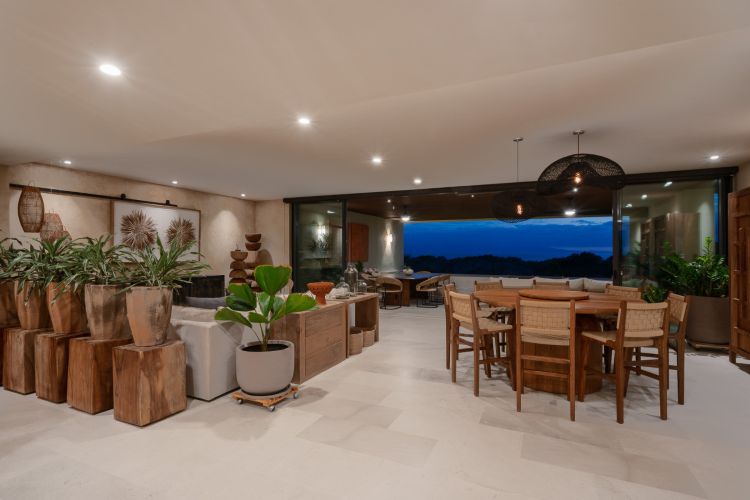
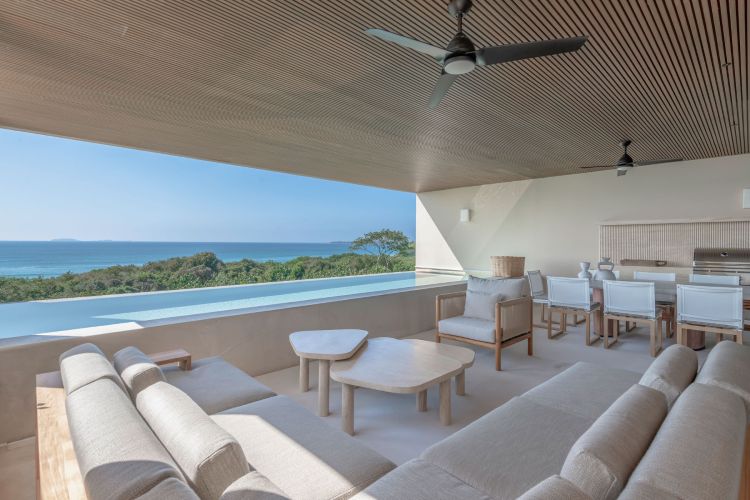
Spacious luxury residence in Surf Residences, Punta Mita, just 120 meters from the beach with ocean and mangrove views. This elegant condo features 4 bedrooms plus staff room, including a master suite with King bed, soaking tub, and double shower. Enjoy a private pool, large terrace with lounge seating, TV room, and fully equipped kitchen. Designed in a modern wabi-sabi style with warm tropical touches, perfect for families and groups seeking comfort and privacy.
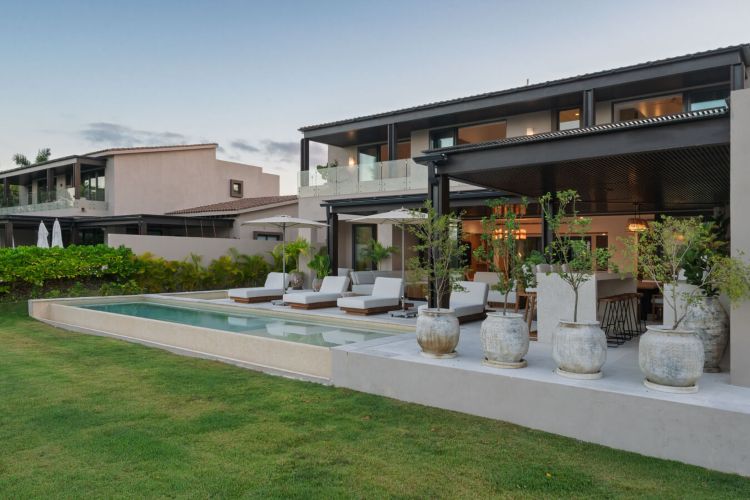
Villa Buena Vida is a luxury golf-view residence in the exclusive Porta Fortuna Golf Villas within Punta Mita. This private villa features 4 bedrooms—three with king beds and a bunk room with two queens and two twins—plus staff quarters.
















.jpg)
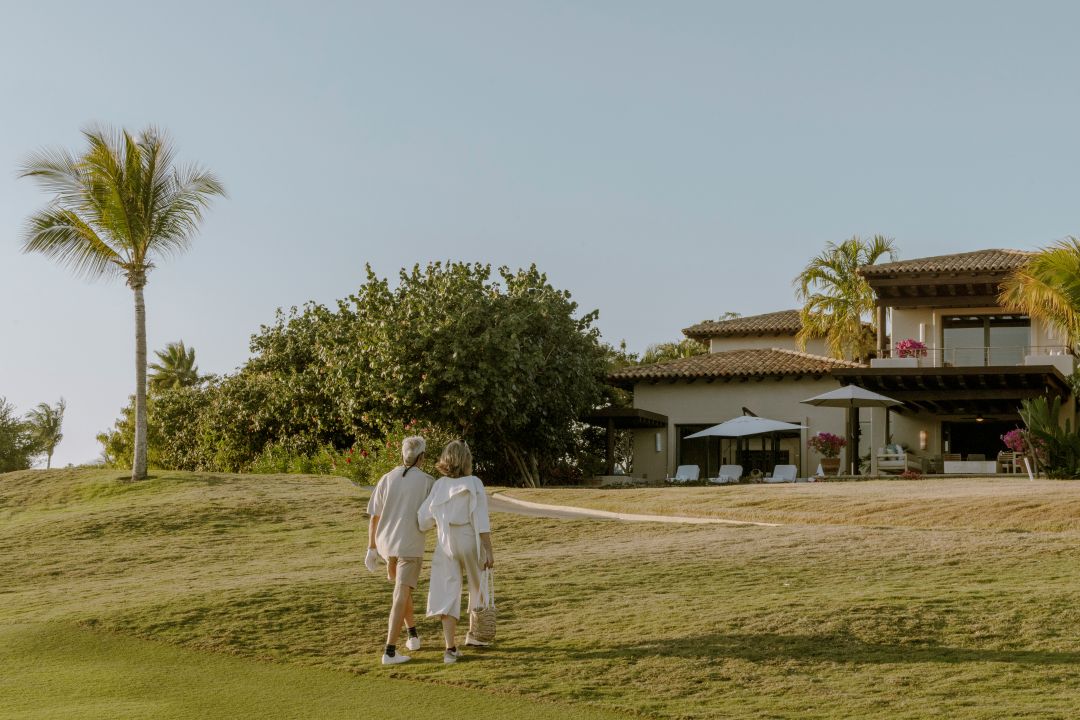

Ready to Experience a Mita Residential Vacation? Browse Our Most Coveted Properties
From beachfront escapes to golf course havens, these exceptional residences consistently top our guests’ wish lists. Browse the accommodations our guests return to year after year.