Best Cenotes to Visit in the Riviera Maya: Ultimate Guide

With over 20 years of experience Mita Residential manages & rents luxury estates, villas, and condos in the top beach destinations in Mexico: Punta Mita and Los Cabos, Mexico.
The Riviera Maya holds thousands of secrets beneath its jungle floor. Crystal-clear waters fill ancient sinkholes where the Maya once made offerings to their gods, and today these cenotes offer some of Mexico's most extraordinary swimming experiences.
While the Yucatan Peninsula claims over 6,000 cenotes, knowing which to visit and when makes all the difference between a crowded tourist stop and something genuinely transcendent. This guide shares the insider knowledge that transforms a cenote swim into an unforgettable encounter with the natural world.
Mita Residential guests exploring our Riviera Maya villas enjoy private cenote experiences arranged by their dedicated concierge, who coordinates early-access visits and local guides for seamless adventures throughout this spectacular region.
What Are Cenotes?
Cenotes are natural sinkholes formed over millions of years when limestone bedrock collapsed, revealing the Yucatan Peninsula's vast system of underground rivers. The word itself comes from the Mayan "d'zonot," meaning “sacred well.” The ancient Mayan civilization considered these pools gateways to Xibalba, the underworld, using them for ceremonies and offerings, and as vital fresh-water sources for their communities.
The water tells its own story. Filtered through limestone for centuries, cenote water achieves remarkable clarity with visibility often exceeding 100 feet. Temperatures hover around a refreshing 75-77°F year-round, creating natural swimming pools that feel almost supernatural when you first slip beneath the surface.
Scientists continue discovering new cenotes connected by the world's longest underwater cave system. This geological phenomenon exists nowhere else on Earth at this scale, making Riviera Maya cenotes genuinely unique natural wonders that draw visitors from around the globe.
Types of Cenotes You'll Encounter
Understanding cenote types helps you choose experiences matching your preferences. Each offers a distinctly different atmosphere and swimming experience.
Open Cenotes
Open cenotes, or "cenotes abiertos," are the oldest formations where cavern ceilings have completely collapsed over time. These resemble natural swimming pools surrounded by lush jungle vegetation, with roots reaching toward the water and sunlight streaming in from above. Cenote Azul and the Garden of Eden (Jardin del Eden, also called Ponderosa) showcase this open-air cenote type beautifully. They're ideal for those who prefer swimming in sunlight with easy access and a relaxed atmosphere.
Semi-Open Cenotes
Partially covered cenotes create dramatic interplay between light and shadow that photographers and swimmers alike find irresistible. Sunlight streams through openings in the rock ceiling, producing the famous light beams that photographers prize, particularly striking during midday hours when the sun aligns directly overhead. Gran Cenote near Tulum and Cenote Suytun exemplify this awe-inspiring type, offering mystique combined with natural illumination that creates almost spiritual atmospheres.
Cave Cenotes
The youngest formations remain fully enclosed underground, accessed through cavern openings that lead you into another world entirely. Stalactites and stalagmites frame otherworldly atmospheres, with water so clear it can feel like floating in air. The rock formations took millions of years to develop, creating cathedral-like spaces that humble even the most seasoned travelers. Cenote Dos Ojos showcases spectacular cave cenote experiences, drawing scuba diving enthusiasts and snorkeling tours from around the world.
The Riviera Maya's Most Remarkable Cenotes
With thousands of cenotes scattered across the region, curating the right experiences matters more than checking off a lengthy list. These selections balance natural beauty, accessibility, and the potential for truly memorable moments.
Cenote Dos Ojos
Among the most famous cenotes in Mexico, Dos Ojos ("Two Eyes") earned its name from two connected sinkholes forming part of an extensive underwater cave system. Visibility here often exceeds 200 feet, making it legendary for snorkeling and scuba diving expeditions.
Swimming through the cavern reveals stalactites hanging above crystal clear waters while shafts of light pierce the darkness in spectacular fashion. Located approximately 20 minutes north of Tulum, early morning visits reveal the cenote at its most serene. Your concierge can arrange access before standard guided tour groups arrive, transforming the experience entirely.
Gran Cenote
Perhaps the Riviera Maya's most beloved cenote, Gran Cenote, combines accessibility with genuine natural beauty in a way few others match. This semi-open cenote features multiple swimming areas connected by wooden walkways winding through the jungle.
Resident freshwater turtles glide beneath swimmers while small fish dart through submerged rock formations. Snorkeling here reveals an underwater landscape worth exploring slowly and thoroughly. The first hour after opening offers the calmest experience before day-trip crowds arrive from Cancun and Playa del Carmen. Its location just outside Tulum makes it easily combinable with ruins exploration for a perfect morning.
Cenote Suytun
This underground dome has inspired countless photographs and social media posts. A single beam of light illuminates a stone platform at the pool's center, creating theatrical effects that peak around midday when the sun aligns directly overhead.
Descending stone stairs into this cathedral-like space, you'll notice the cool air and dramatic scale immediately. While the iconic platform draws crowds seeking that perfect shot, swimming in the cenote's deeper areas offers more solitude and a chance to appreciate the space on your own terms. Located near Valladolid, approximately 90 minutes from Tulum, Cenote Suytun pairs naturally with visits to Chichen Itza for a full day of exploration.
Cenote Ik Kil
One of the most visually striking cenotes in the Yucatan, Ik Kil features jungle vines cascading 85 feet down limestone walls to the waters below. This sacred cenote sits just minutes from Chichen Itza, making it a natural pairing with ancient Mayan ruins exploration.
Swimming in the deep pool (over 130 feet) surrounded by this vertical garden, with small waterfalls trickling down the walls, creates lasting memories. Ik Kil's popularity means it sees heavy tour traffic, but your concierge can schedule your visit around tour bus schedules for a more peaceful, intimate experience.
Cenote Azul
This open-air cenote offers a refreshing alternative to underground swimming. A large jungle-framed pool features depths ranging from shallow wading areas to 90-foot diving zones, accommodating swimmers of all abilities and comfort levels. Families appreciate the varying depths and relaxed atmosphere, while cliff-jumping platforms attract the more adventurous members of your group.
Located between Playa del Carmen and Tulum, Cenote Azul adds easily to beach days. The adjacent restaurant serves fresh ceviche and cold drinks after your swim, creating a complete afternoon experience.
Cenote Cristalino
Neighboring Cenote Azul and connected by jungle paths, Cenote Cristalino offers a more intimate experience with dramatic rock formations and jumping platforms. While Azul feels expansive, Cristalino is more enclosed and atmospheric, with natural cliffs that make ideal spots for those seeking to test their courage. Visiting both beautiful cenotes creates a varied cenote tour experience that showcases the distinct personalities of these natural formations.
Hidden Gems Worth Discovering
Beyond popular cenotes, dozens of lesser-visited options reward those willing to venture further off the beaten path. Cenote Calavera (named for openings resembling a skull), Cenote Escondido, and the Ruta de los Cenotes near Puerto Morelos offer experiences away from the crowds that frequent more famous spots.
Your Mita Residential concierge maintains relationships with local guides who can arrange access to private or community-operated cenotes that few visitors ever experience. These hidden gems often provide the most memorable swims of all.
Cenotes by Region
Near Tulum
Tulum serves as the unofficial cenote capital, with dozens of options within 30 minutes. Gran Cenote, Cenote Dos Ojos, Cenote Calavera, Casa Cenote, and Cenote Escondido all cluster nearby. This density allows for easy multi-cenote days without significant driving.
Near Playa del Carmen
The corridor between Playa del Carmen and Tulum offers excellent cenote access. Cenote Azul, Cenote Cristalino, and Jardin del Eden (Ponderosa) sit 20-30 minutes south. The Ruta de los Cenotes near Puerto Morelos provides a dedicated cenote route worth exploring for those staying closer to Cancun.
Near Valladolid and Chichen Itza
Combining cenote visits with Chichen Itza creates memorable day trips from the coast. Cenote Ik Kil, Cenote Suytun, Cenote Samulá, and Cenote Oxman cluster in this region. The colonial city of Valladolid features Cenote Zaci in the town center. Some guests extend explorations toward Merida or south to Bacalar, while Coba's ancient Mayan pyramids pair beautifully with nearby cenotes.
Wildlife You'll Encounter
Cenotes are living ecosystems, not simply swimming pools carved from stone. Part of the magic comes from sharing these waters with the creatures that call them home.
Freshwater turtles at Gran Cenote glide beneath swimmers, surfacing occasionally for air. Small fish populate many cenotes, sometimes nibbling gently at swimmers' skin in a harmless and oddly delightful experience.
Cave cenotes host bat colonies in their upper reaches, creating atmospheric encounters. Some cenotes harbor endemic species found nowhere else, including blind cave fish adapted to total darkness. These fragile ecosystems explain the strict regulations protecting them.
Insider Tips for the Best Experience
Timing Matters
Most cenotes open between 8-9 AM, and the first hour typically offers the calmest conditions before small group tours and day trippers arrive. Midday brings crowds but also produces the famous light beams in semi-open cenotes like Suytun. Late afternoon (3-4 PM onward) sees crowds thin as day-trippers head back to their hotels.
Your concierge coordinates timing strategically around your other activities, ensuring you experience cenotes at their best rather than their busiest.
What to Bring
Pack biodegradable sunscreen (required at most cenotes), a towel, water shoes for wet stairs, an underwater camera or waterproof phone case, and a change of clothes. Snorkeling gear is available for rent at most locations, though bringing your own ensures proper fit. Life jackets are available and sometimes required, making cenotes accessible to swimmers of varying abilities.
The Sunscreen Rule
Cenotes require biodegradable sunscreen or none at all. Conventional sunscreens contain chemicals that damage fragile ecosystems and cloud the famously clear water that makes these places so special. Many cenotes check products at entry and require showering off non-compliant formulas before swimming.
Apply biodegradable sunscreen well before arrival so it absorbs fully, or simply swim without it. The shaded, cool cenote water reduces sun exposure significantly compared to open beaches.
Combining Experiences
Cenotes pair naturally with other Riviera Maya adventures. Morning at Tulum ruins followed by a refreshing cenote swim is a classic combination that never disappoints. Your concierge can arrange cenote visits as part of larger days: Chichen Itza plus Cenote Ik Kil, Coba ruins plus nearby cenotes, or dedicated cenote-hopping itineraries visiting three or four spots.
Some guests enjoy ATV adventures to remote cenotes or zip lines combined with swimming. For those interested in discovering signature Mexican dishes, your private chef can prepare gourmet picnic provisions for cenotes with appropriate facilities, elevating the experience beyond standard fare.
Responsible Visiting
The Maya still consider cenotes sacred spaces. Use only biodegradable sunscreen. Avoid touching stalactites and rock formations. Don't feed wildlife. Take all the trash out.
Many cenotes are operated by local Maya communities. Your visit supports them directly, contributing to sustainable tourism that incentivizes the protection of these irreplaceable natural wonders.
Best Time to Visit
The dry season (November through April) offers the clearest water and reliable weather, though this coincides with high season and more visitors.
The rainy season (May through October) features afternoon showers that rarely disrupt cenote visits. Water levels are often higher, and fewer visitors mean more peaceful experiences.
Cenotes maintain consistent temperatures year-round (around 75-77°F), making them refreshing escapes during hot months and comfortable swims on cooler mornings.
Discover the Riviera Maya's Sacred Waters
Swimming in a cenote, whether floating in an underground cavern while stalactites glitter above or diving into a jungle-framed turquoise pool, connects you to the ancient Maya who revered these waters and the timeless rhythms of the natural world.
The Riviera Maya's cenotes deserve more than rushed visits between other activities. They reward those who arrive early, linger thoughtfully, and approach with genuine curiosity about the best activities each destination offers.
Experience Cenotes the Effortless Way
Planning cenote visits across the Riviera Maya requires coordinating transportation, timing visits to avoid crowds, identifying which cenotes suit your group's swimming abilities, and navigating unfamiliar roads. For multi-generational families or groups with varying comfort levels in water, finding the right experiences becomes even more complex.
Mita Residential guests skip the logistics entirely.
Your dedicated concierge arranges private cenote access, coordinates transportation with drivers who know every back road, and times visits for optimal conditions before tour groups arrive. Whether your family includes young children who need shallow areas, adventurous teens who want cliff jumps, or grandparents who prefer easy access, your concierge matches cenotes to everyone in your group.
Want a gourmet lunch waiting after your swim? Your private chef handles it. Prefer combining cenotes with ruins, snorkeling on the reef, or rejuvenating spa and wellness experiences back at your villa? Your concierge orchestrates every detail seamlessly.
Explore the surroundings of the Riviera Maya through experiences curated specifically for your group's interests and pace. This is what effortless luxury looks like: extraordinary experiences without lifting a finger.
Ready to plan your dream getaway to the Riviera Maya? Contact our concierge team to start designing your perfect cenote adventures.
Frequently Asked Questions
What is the best cenote in Riviera Maya?
It depends on what you're seeking. Gran Cenote earns praise for balancing beauty, accessibility, and wildlife. Cenote Dos Ojos offers spectacular underwater visibility for snorkeling enthusiasts. Cenote Suytun creates unforgettable photographs. Rather than chasing a single "best," experiencing different cenote types reveals what makes these formations extraordinary.
Is it safe to swim in cenotes in Mexico?
Cenotes are generally very safe when following posted guidelines. Water is naturally filtered through limestone, resulting in exceptional cleanliness. Life jackets are available at most cenotes for those wanting extra confidence.
Why can't you wear sunscreen in cenotes?
Conventional sunscreens contain chemicals that damage aquatic ecosystems. Cenotes are closed systems without the ocean's ability to dilute contaminants, making them especially vulnerable. Biodegradable formulas protect both your skin and these ancient waters.
How many cenotes are in Riviera Maya?
Over 6,000 cenotes exist throughout the Yucatan Peninsula, with many still being discovered. The Riviera Maya contains one of the highest concentrations, though only a few hundred are developed for swimming with proper facilities.
What bacteria are in cenotes?
Limestone filtration keeps cenote water remarkably clean. Well-maintained cenotes monitor water quality regularly. Standard precautions apply: avoid swallowing water and shower afterward.
What is the truth about cenotes?
Cenotes aren't man-made attractions. They're natural geological formations millions of years in the making. The ancient Mayan civilization genuinely revered them as sacred portals, and archaeological discoveries confirm their profound spiritual importance.

Explore our properties
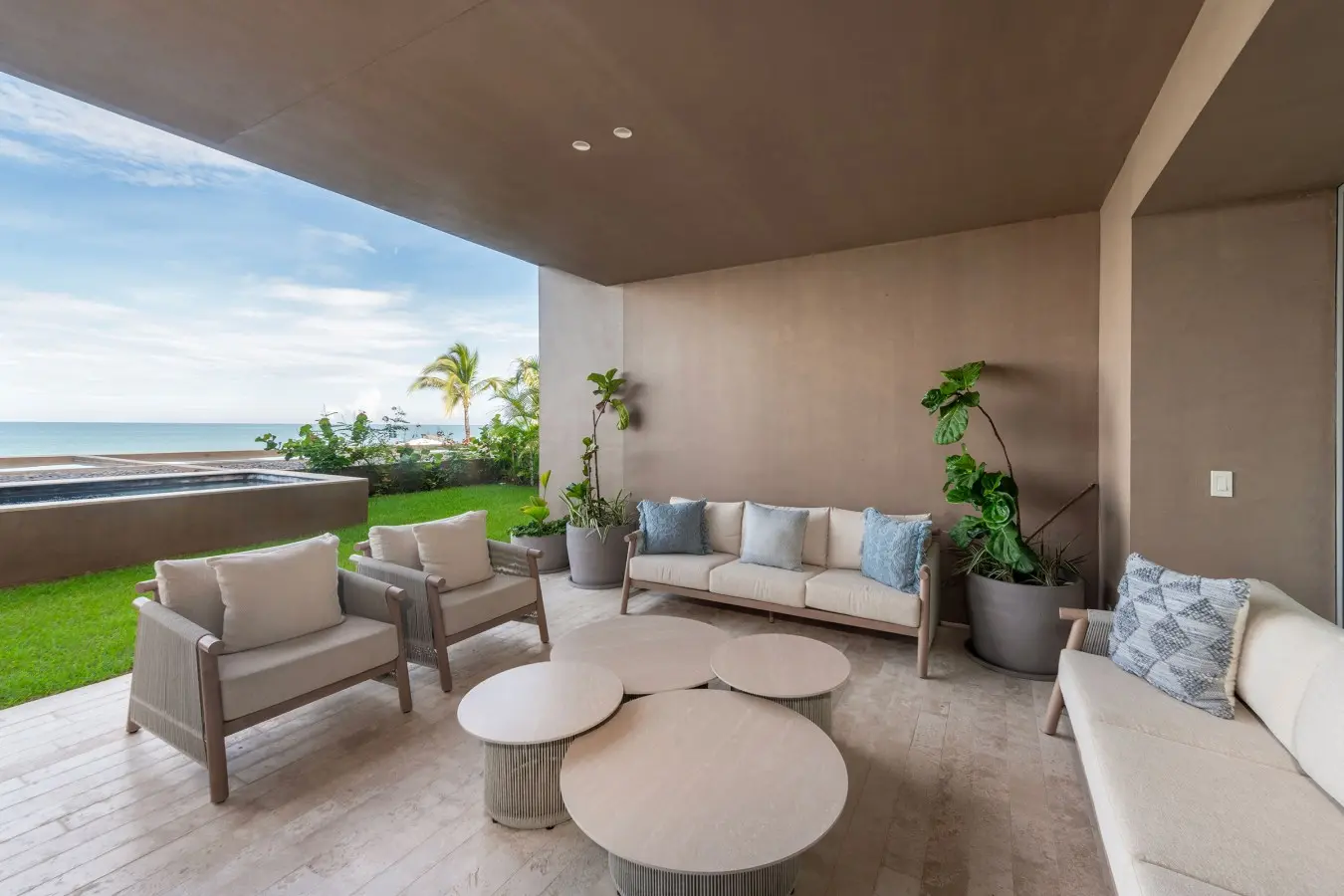


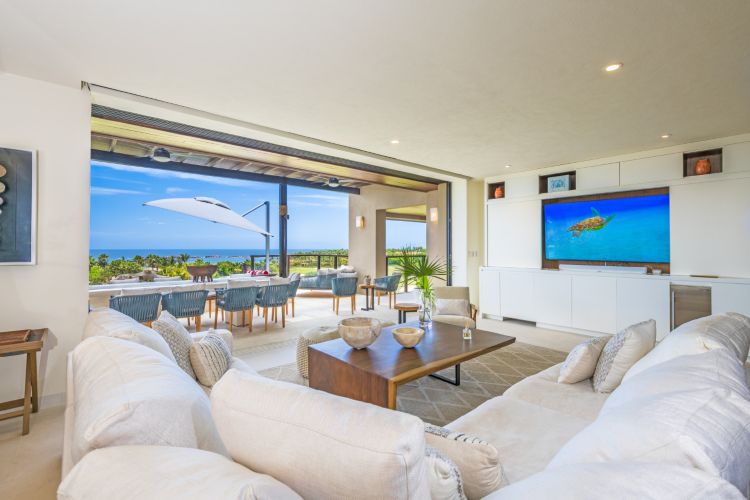
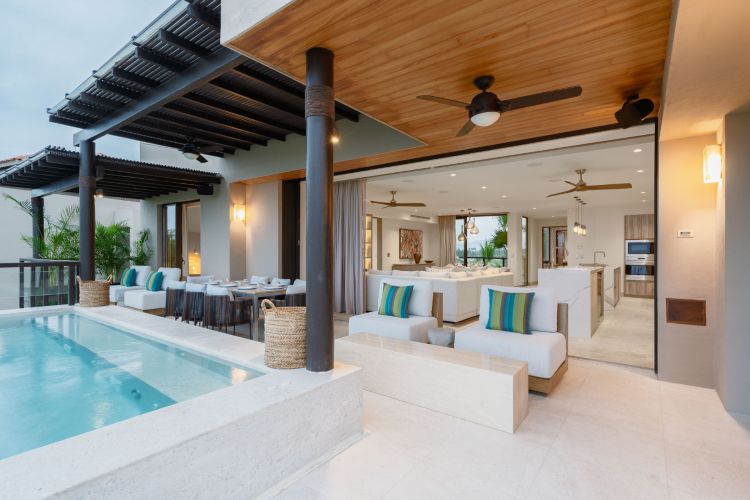
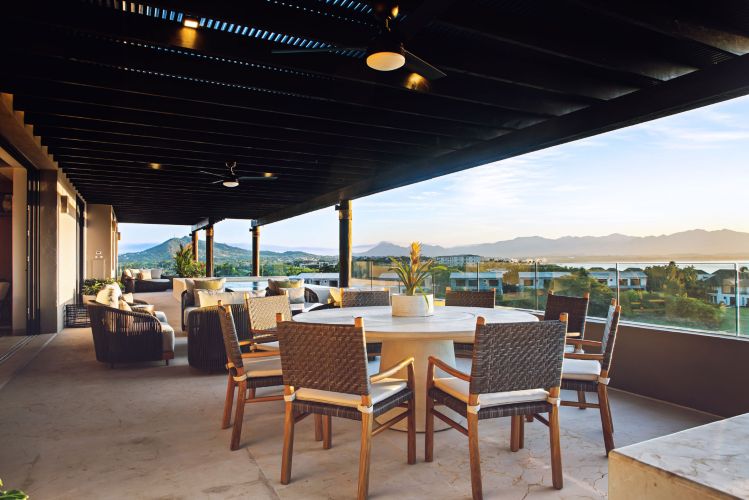
UAVI Beachfront Residences Exquisite oceanfront refuge nestled within the exclusive UAVI Beachfront Residences in Litibú. Framed by over two kilometers of pristine white-sand beach, this expansive residence masterfully blends absolute privacy, panoramic ocean views, and world-class amenities within a thoughtfully planned natural landscape. Experience the epitome of relaxed coastal luxury. Pent Garden Azul Pacífico is architecturally designed to maximize natural light and capture the mesmerizing hues of the Pacific Ocean from almost every angle. -Seamless Living & Dining: The fully equipped, open-concept gourmet kitchen (complete with a stove, oven, refrigerator, freezer, and dishwasher) flows effortlessly into the spacious indoor living and dining areas. It creates an inviting, connected environment perfect for sharing special moments, whether you are preparing a catch-of-the-day feast or unwinding after a sun-drenched day on the beach.
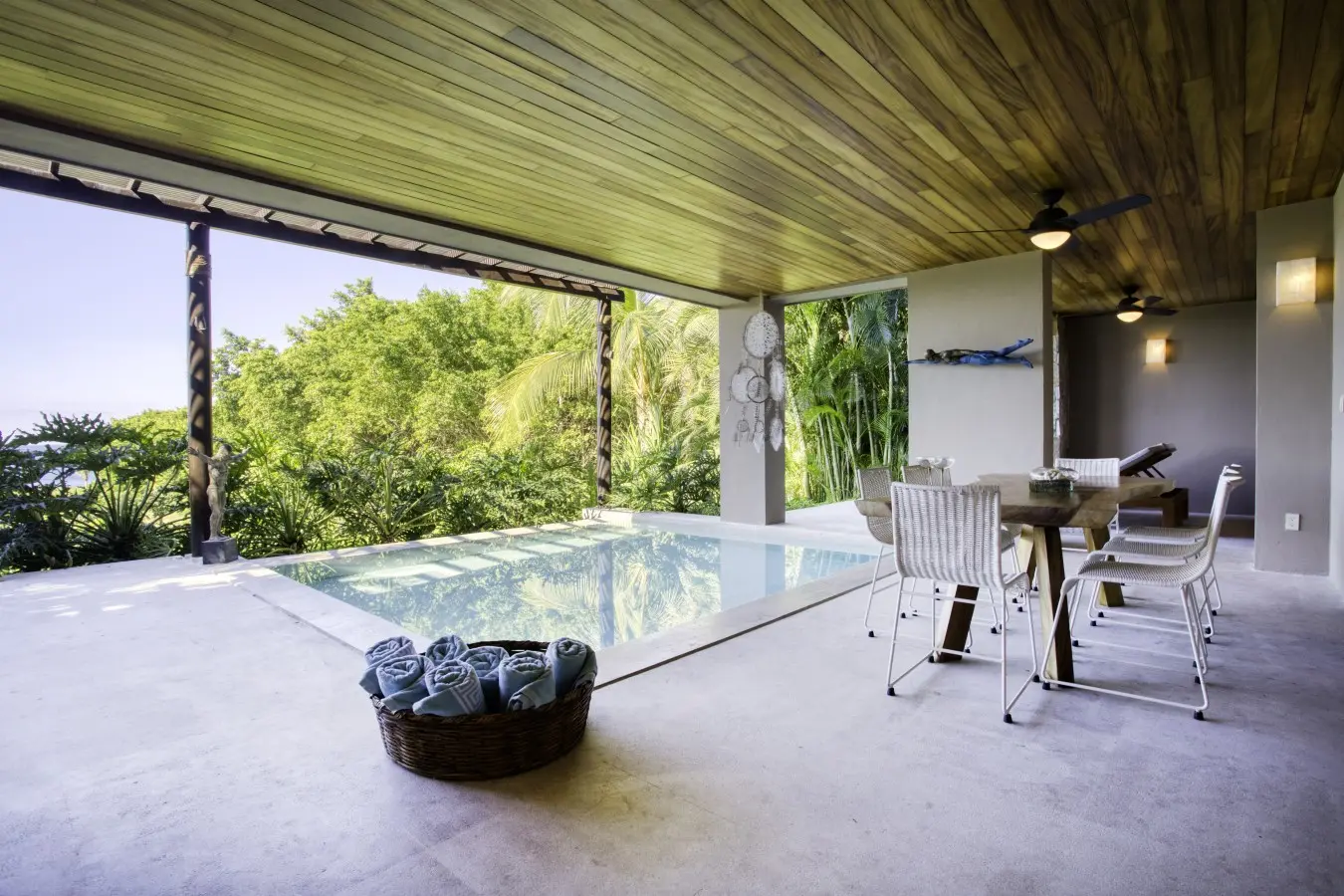
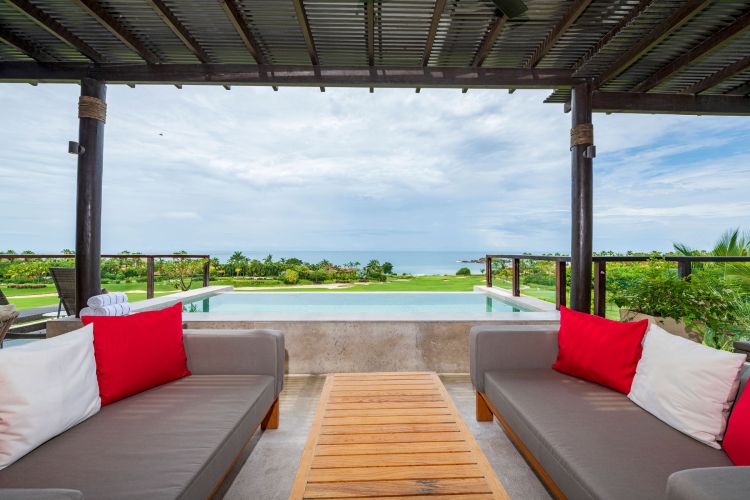
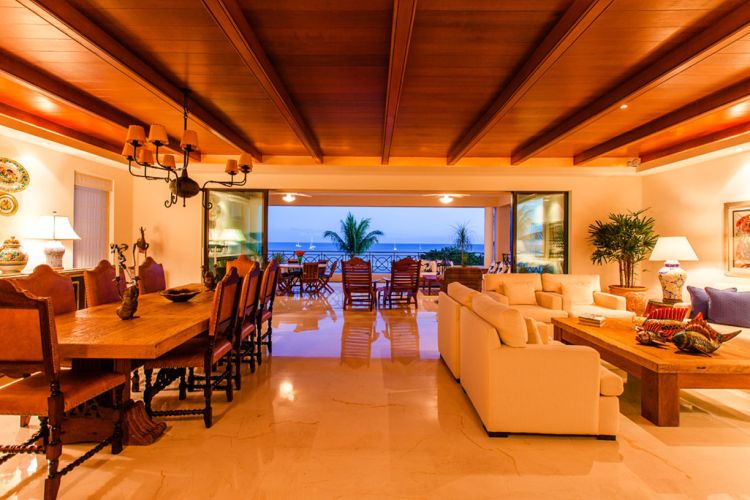
Nestled in the exclusive Las Marietas community within the prestigious Punta Mita development, Condo Paraíso is a ground-floor luxury sanctuary designed to comfortably accommodate up to 8 guests. Situated just 200 meters from the beach, this residence seamlessly blends privacy, contemporary design, and panoramic views showcasing green golf fairways and the blue Pacific Ocean.
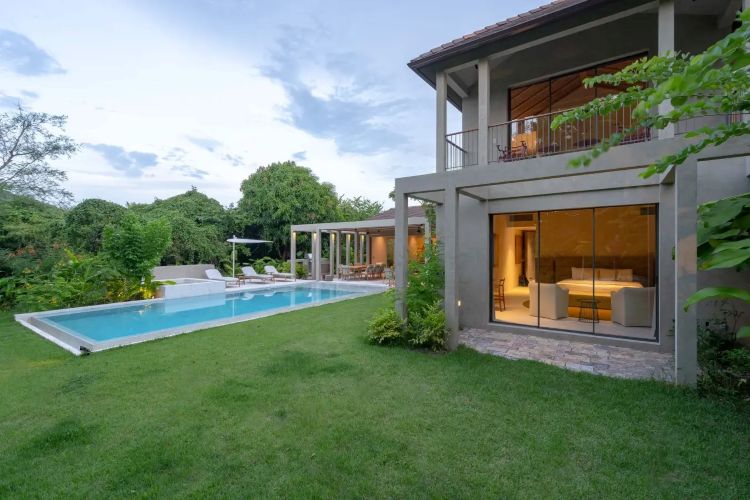
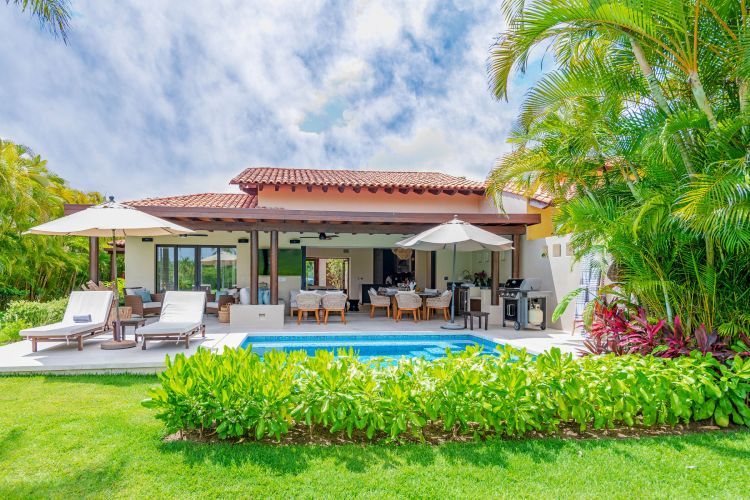
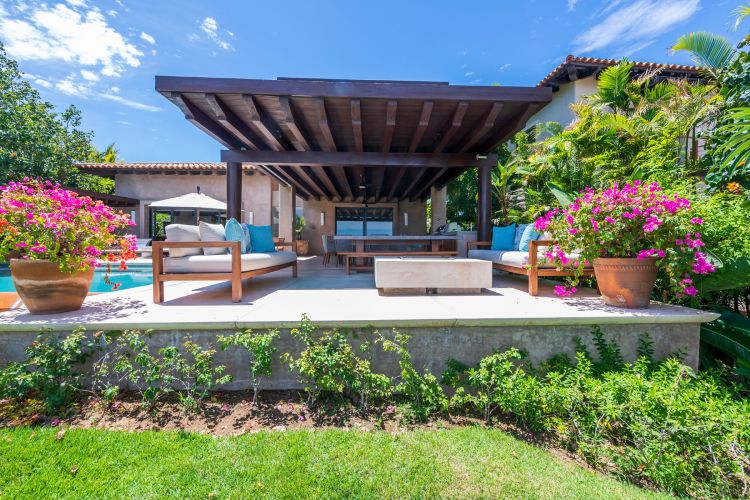
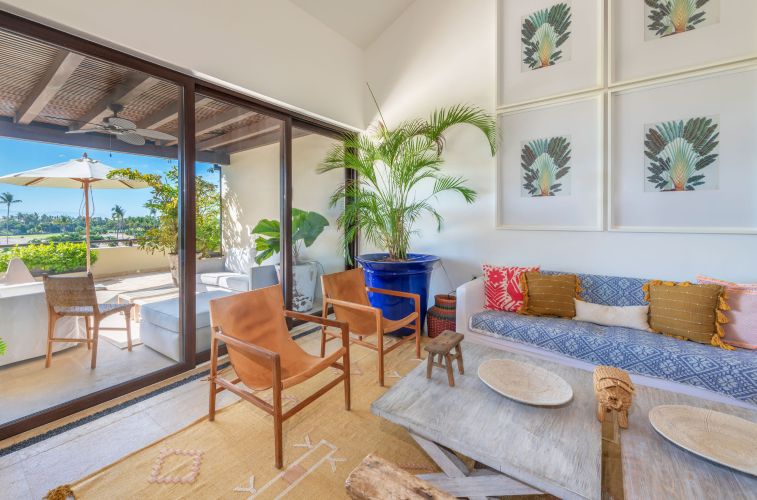
Villa Armonía is an exclusive 4.5-bedroom residence located in the heart of Punta Mita, surrounded by lush tropical landscapes. This elegant retreat blends modern Mexican beach-style architecture with the tranquility of the jungle, making it ideal for families or groups seeking a refined yet relaxed luxury escape. Designed to seamlessly integrate indoor and outdoor living, the villa features sophisticated interiors, a private pool, an expansive main terrace with an outdoor living area, a cozy firepit for evening gatherings, and beautifully landscaped gardens that invite relaxation. Guests enjoy Premier Golf Membership, granting access to Punta Mita’s renowned beach clubs, golf courses, and resort amenities. Daily housekeeping is also included for added comfort. *Please note that Punta Mita Resort applies a mandatory access fee for its amenities, including beach clubs, golf, tennis, pickleball, and fitness center: $50 USD per adult (13+) and $30 USD per child (5–12). This fee will be added to your booking, along with a 15% service charge and 16% VAT. *A refundable security deposit will be requested. Alternatively, guests may opt to purchase damage protection insurance in lieu of the security deposit.
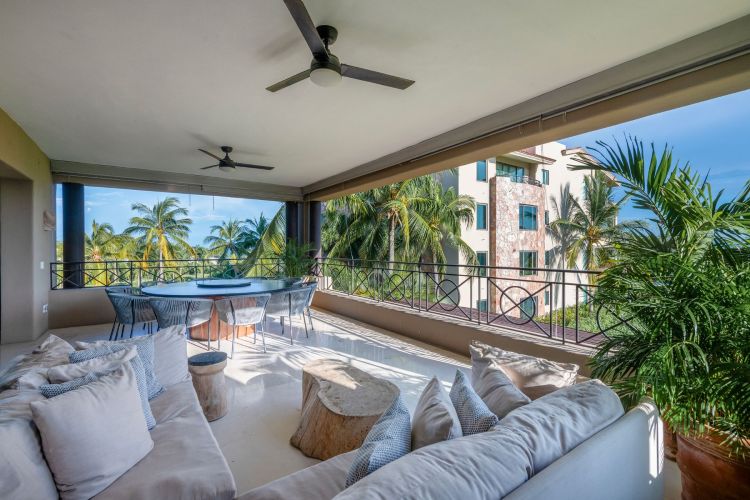
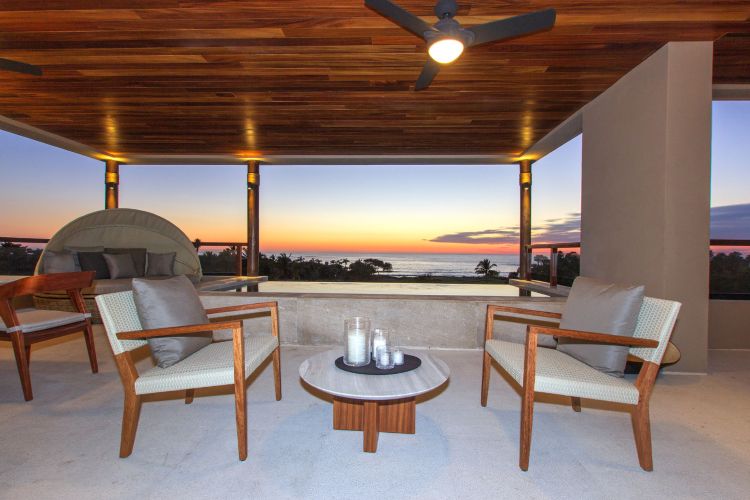
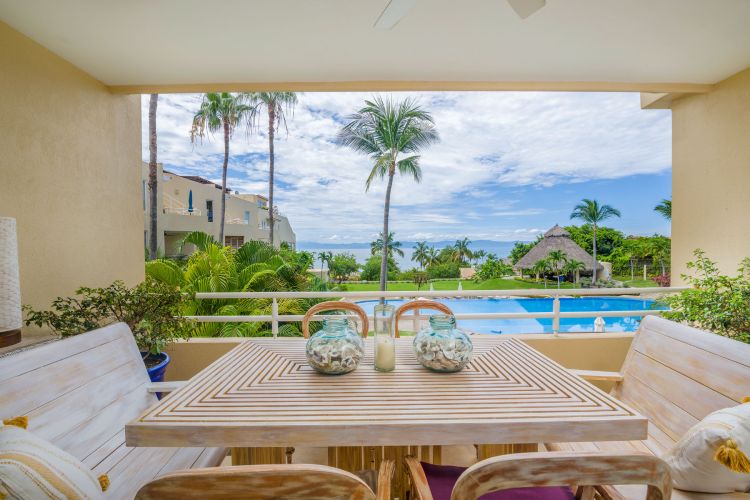
Enjoy this spacious and elegantly furnished condo in Hacienda de Mita, thoughtfully designed to appeal to upscale tastes. As the only beachfront condo complex within the secure, gated community of Punta Mita, it offers an unparalleled location with easy pedestrian access to town and private parking. Situated on the 3rd floor, this condo boasts spectacular pool and lush views of the golf course. The pristine landscaping and year-round colorful sunsets provide the perfect backdrop for an evening on the expansive patio enjoying an intimate meal or afternoon libations.

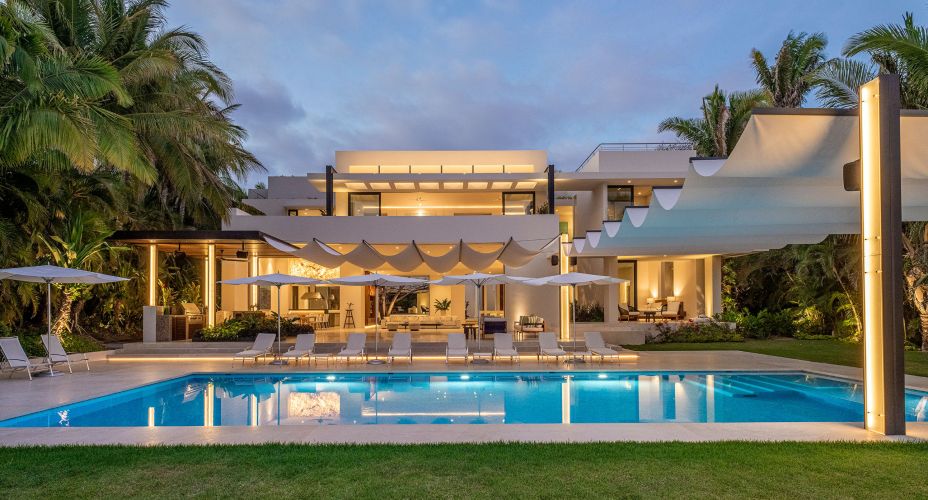
An exquisite oceanfront sanctuary set within the prestigious UAVI Beachfront Residences in Punta de Mita. Framed by more than two kilometers of pristine white-sand beach, this expansive property effortlessly unites ultimate privacy, sweeping ocean vistas, and resort-style amenities embedded in a master-planned natural haven.
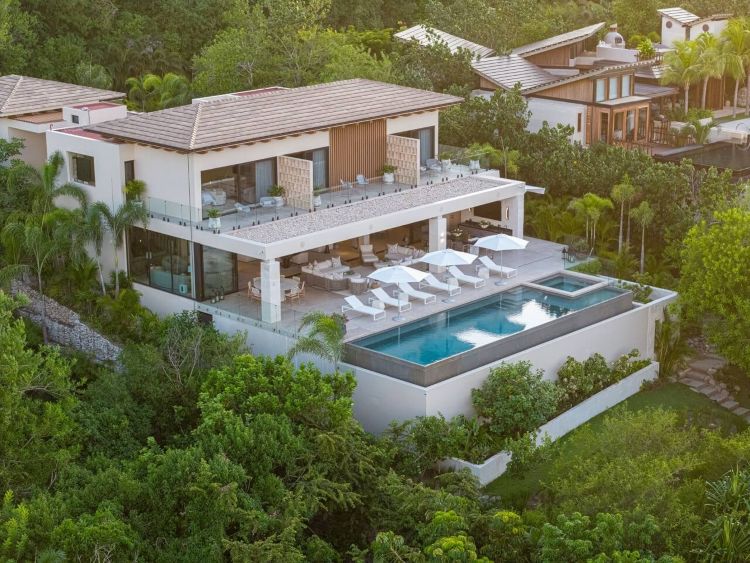
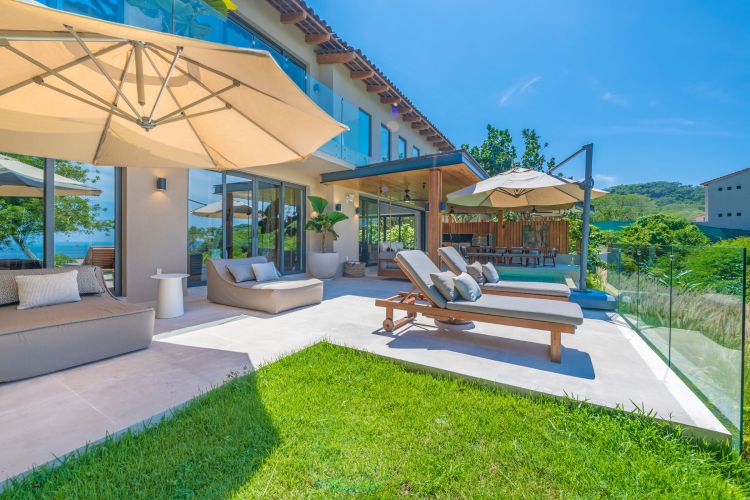
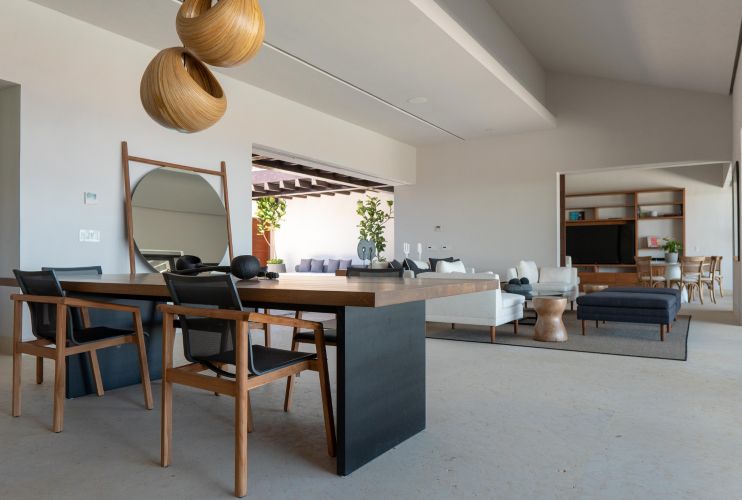
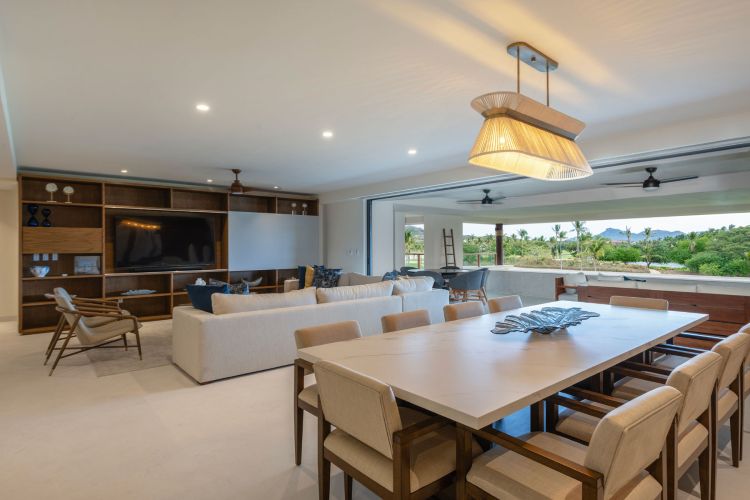
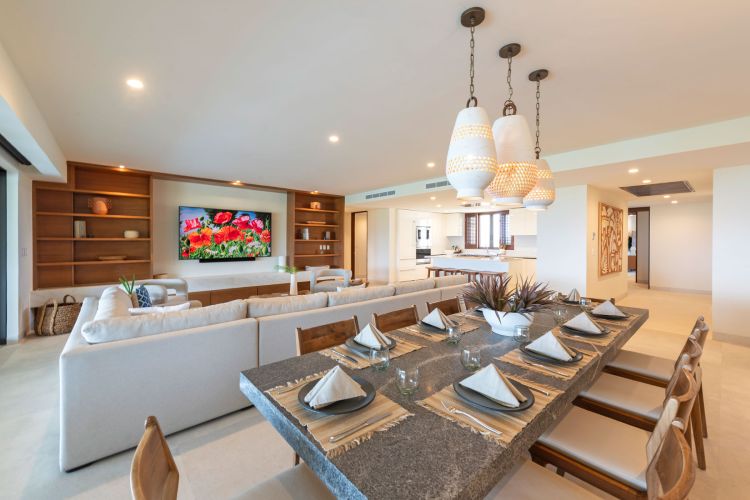
Casa Mare is a sophisticated private retreat designed for effortless indoor-outdoor living and unforgettable moments with family and friends. Featuring spacious, beautifully appointed interiors, floor-to-ceiling windows, and a seamless connection to the surrounding landscape, the home offers a refined yet inviting atmosphere. The open-concept living and dining areas create the perfect setting for gathering, while carefully curated artwork, contemporary furnishings, and natural textures add a distinctive sense of style. This residence is an ideal choice for families and groups seeking privacy, comfort, elevated design, and attentive service in Punta Mita.
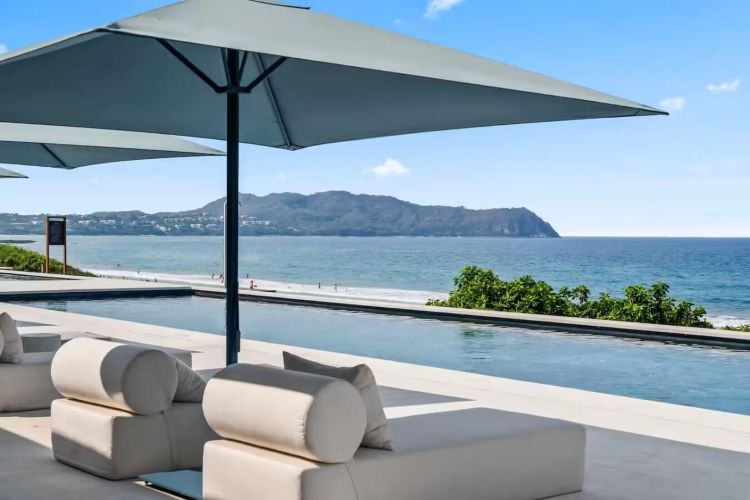
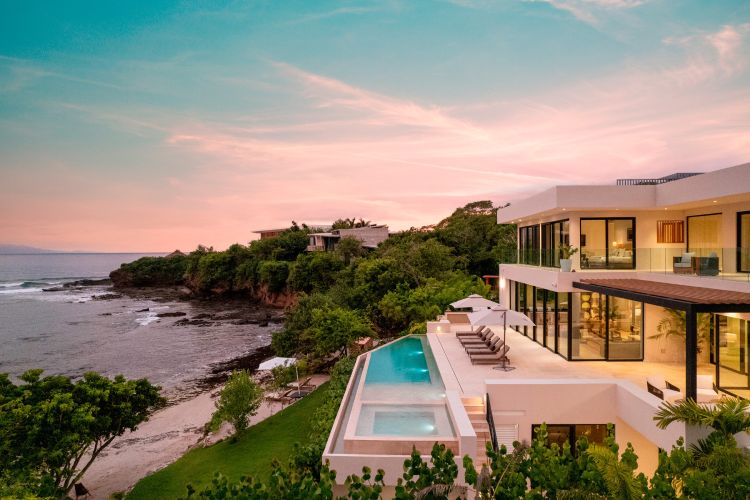
Exquisite oceanfront refuge nestled within the exclusive UAVI Beachfront Residences in Punta de Mita. Framed by over two kilometers of pristine white-sand beach, this expansive residence masterfully blends absolute privacy, panoramic ocean views, and world-class amenities within a thoughtfully planned natural landscape.
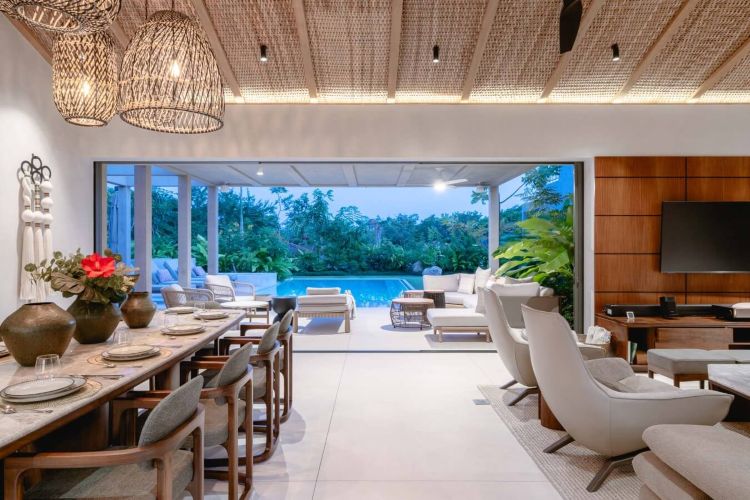
Villa Ceiba is an exclusive 4.5-bedroom residence located in the heart of Punta Mita, surrounded by lush tropical landscapes. This elegant retreat blends contemporary architecture with the tranquility of nature, making it ideal for families or groups seeking a refined yet relaxed luxury escape. Designed to seamlessly integrate indoor and outdoor living, the villa features sophisticated interiors, a private pool, expansive terrace for al fresco dining, a cozy firepit for evening gatherings, and beautifully landscaped gardens that invite relaxation. Guests enjoy Premier Golf Membership, granting access to Punta Mita’s renowned beach clubs, golf courses, and resort amenities. Daily housekeeping is also included for added comfort.
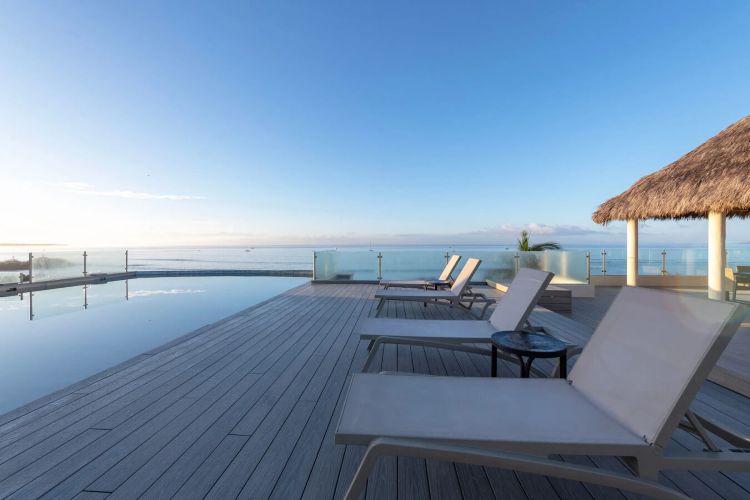
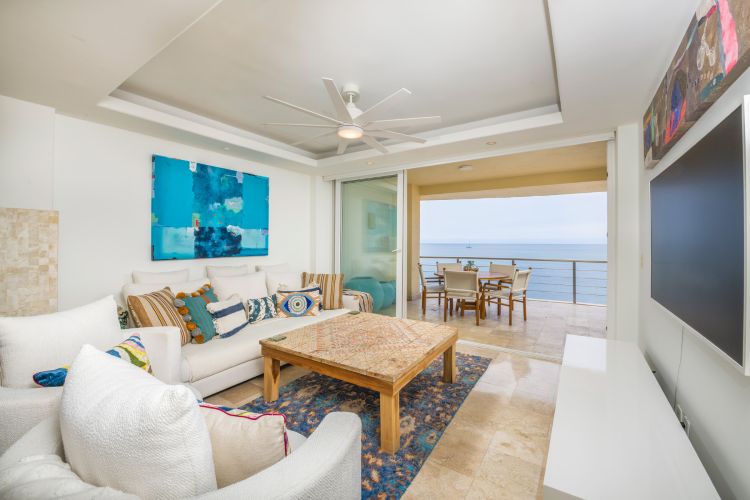
Condo Anclote is a newly renovated beachfront residence located in Condominios Punta de Mita, in the heart of Punta de Mita town. This elegant three-bedroom condo offers breathtaking ocean views, direct beach access, and a refined coastal ambiance—perfect for a tranquil yet stylish getaway. Ideally situated on Punta de Mita’s main street, guests can easily walk to top restaurants, cafés, and local shops.
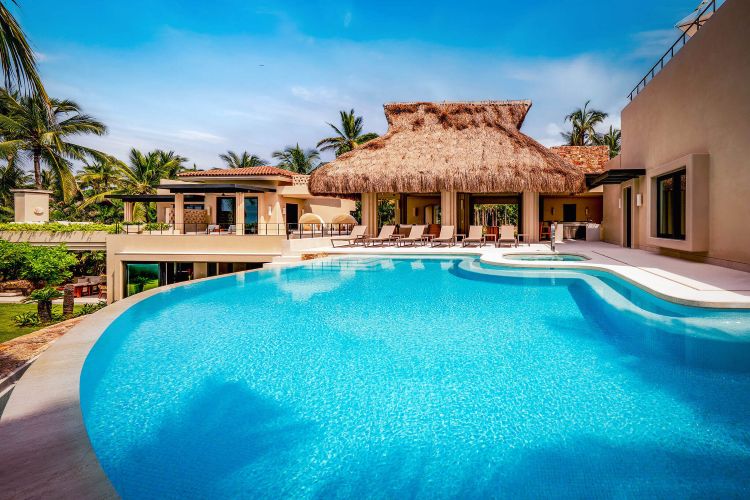
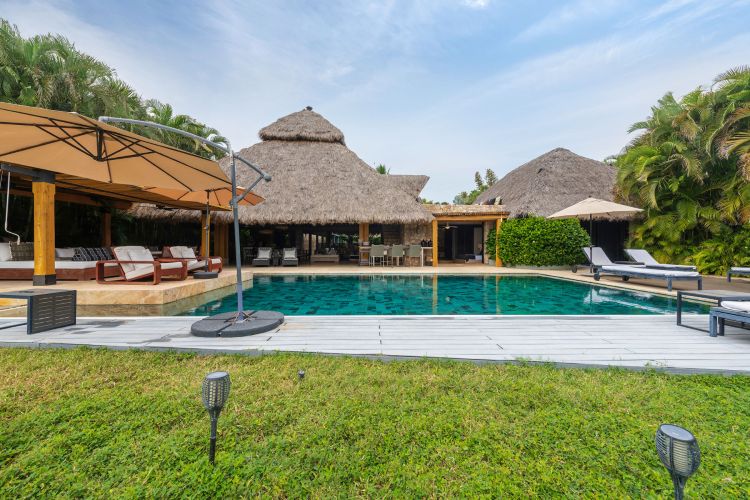
Enter Rancho 6 into the striking open- air palapa. This central social hub features a soaring thatched roof and sophisticated living area. Relax on plush sofas or gather at the bar for a margarita. Offering unobstructed ocean breezes, it seamlessly connects the entrance to the panoramic pool terraceand main guest suites. Unwind in this living sanctuary where glass walls disappear to reveal the Pacific sunsets, Sink into plush, cozy sofas to cool off in air-conditioned comfort or step directly onto the extended oceanfront lawn, This space offers the perfect balance of refined elegance and effortless indoor-outdoor living. Punta Mita is a 1,500-acre gated community located in the Pacific Ocean. It is widely known for its beautiful beaches and breathtaking views, which include the world-famous “Tail of the Whale” golf hole. The exclusive properties, inside the peninsula, are only 40 minutes North of Puerto Vallarta’s International Airport. This resort and residential community has quickly become a must-go destination for sophisticated travelers who seek to enjoy the natural beauty and world-class amenities of one of Mexico’s most luxurious travel destinations.
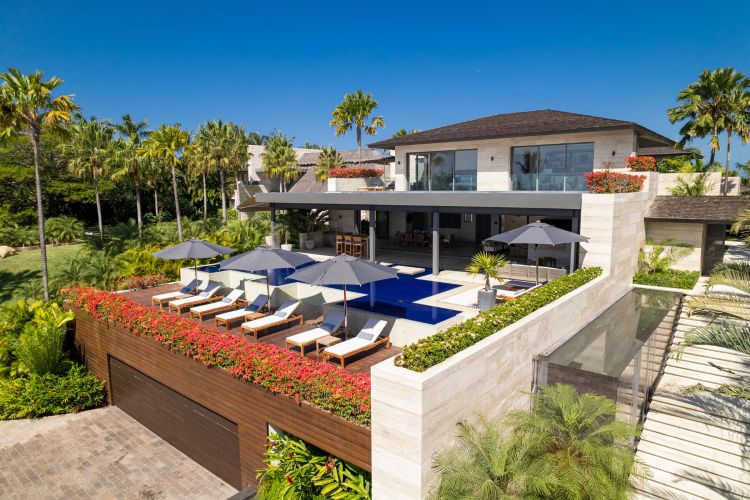
Casa Botti is a tropical sanctuary where contemporary architecture blends seamlessly with lush natural surroundings. Located within one of the most prestigious gated communities in Punta Mita, this extraordinary private residence offers an unparalleled luxury experience. Set on a 5,233 m² lot with 1,650 m² of construction, the villa features breathtaking views of the Pacific Ocean and Punta Mita’s world-class golf course. With 9 bedrooms, 14 beds, and 18 bathrooms, Casa Botti is ideal for large families or groups who love to gather and entertain, embodying privacy, elegance, and effortless sophistication.
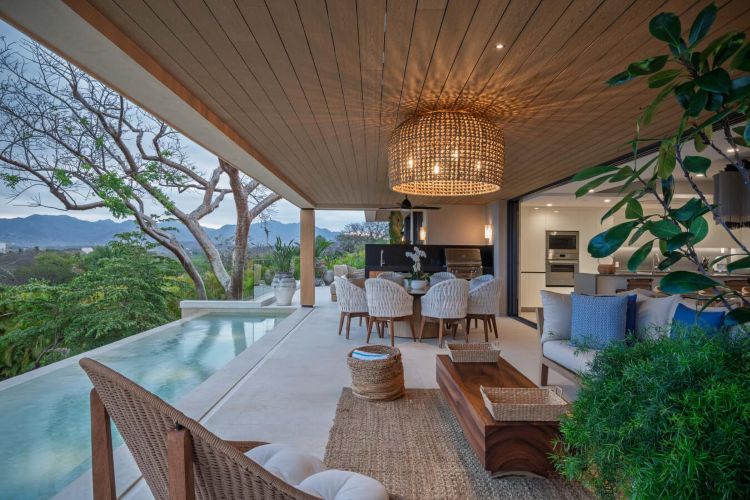
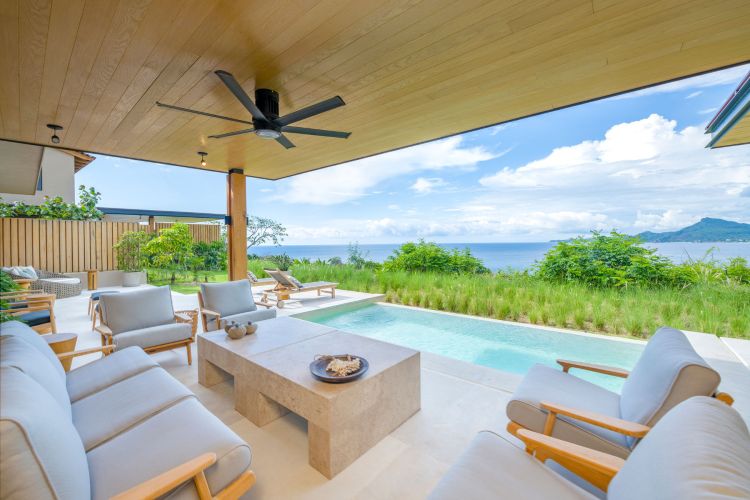
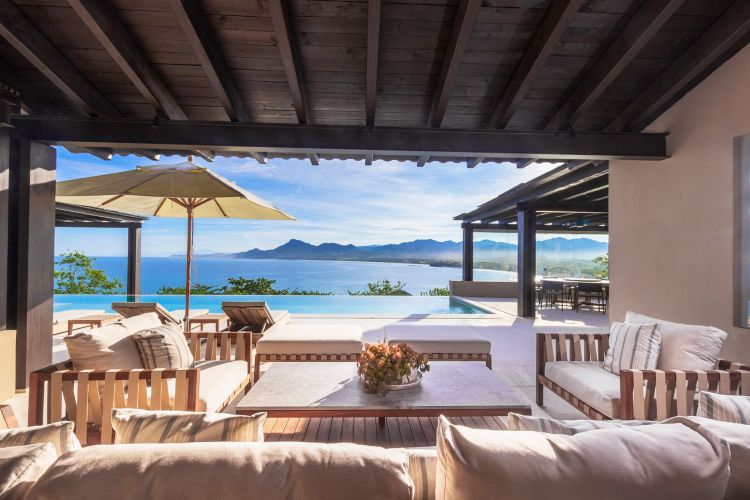
Villa Monarca offers an exclusive experience in Kupuri Beach Residences, Punta Mita. With breathtaking ocean views and just a short walk to Kupuri Beach Club, this villa is ideal for families or small groups seeking a refined and relaxing getaway. The property features a private ocean-view pool and elegant indoor-outdoor living spaces designed for comfort and connection.
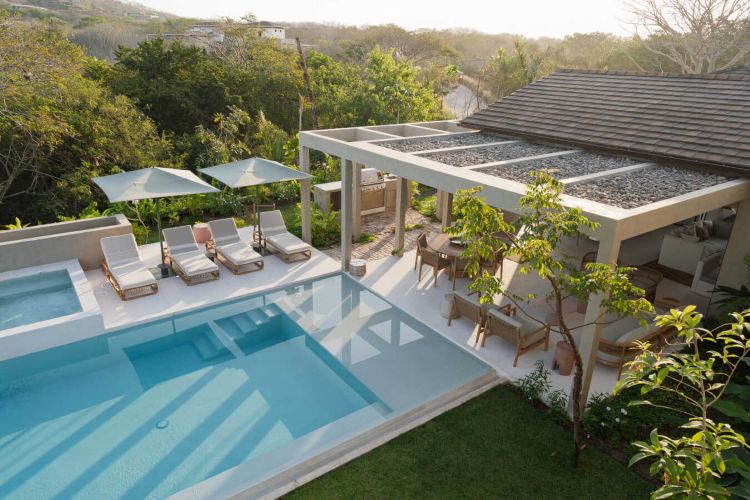
Villa Selva 33 is an exclusive 4.5-bedroom residence located in the heart of Punta Mita, surrounded by lush tropical landscapes. This elegant retreat blends contemporary architecture with the tranquility of nature, making it ideal for families or groups seeking a refined yet relaxed luxury escape.
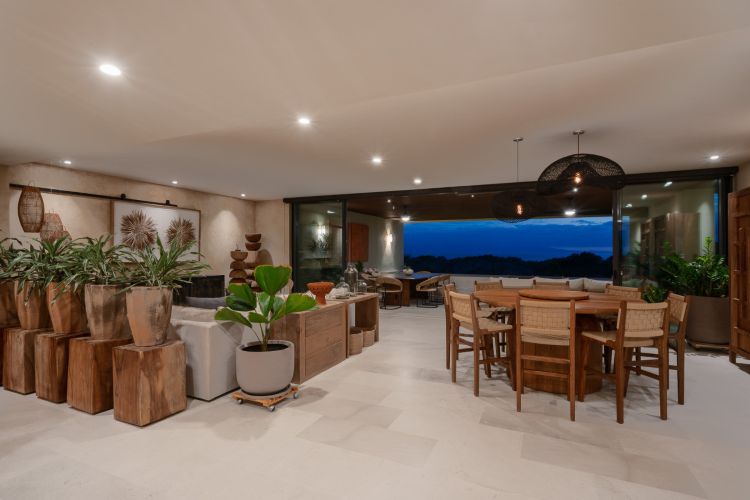
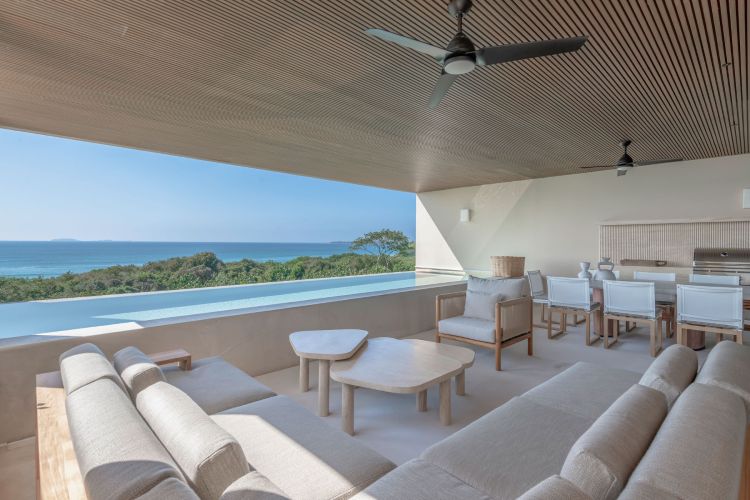
Spacious luxury residence in Surf Residences, Punta Mita, just 120 meters from the beach with ocean and mangrove views. This elegant condo features 4 bedrooms plus staff room, including a master suite with King bed, soaking tub, and double shower. Enjoy a private pool, large terrace with lounge seating, TV room, and fully equipped kitchen. Designed in a modern wabi-sabi style with warm tropical touches, perfect for families and groups seeking comfort and privacy.
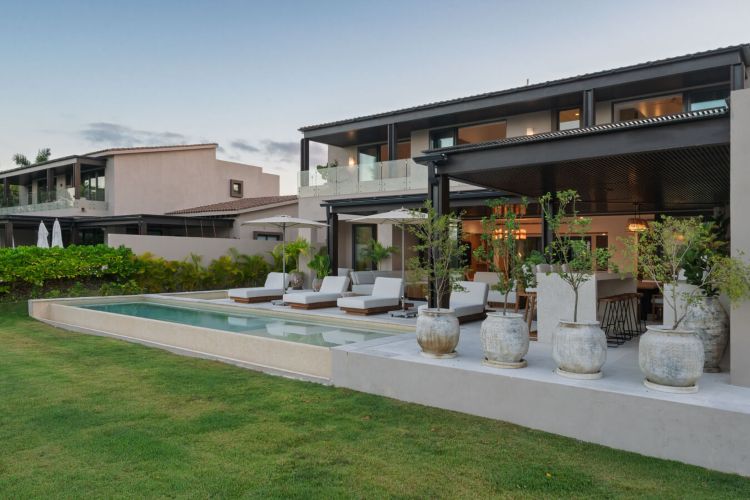
Villa Buena Vida is a luxury golf-view residence in the exclusive Porta Fortuna Golf Villas within Punta Mita. This private villa features 4 bedrooms—three with king beds and a bunk room with two queens and two twins—plus staff quarters.










.jpg)

Ready to Experience a Mita Residential Vacation? Browse Our Most Coveted Properties
From beachfront escapes to golf course havens, these exceptional residences consistently top our guests’ wish lists. Browse the accommodations our guests return to year after year.